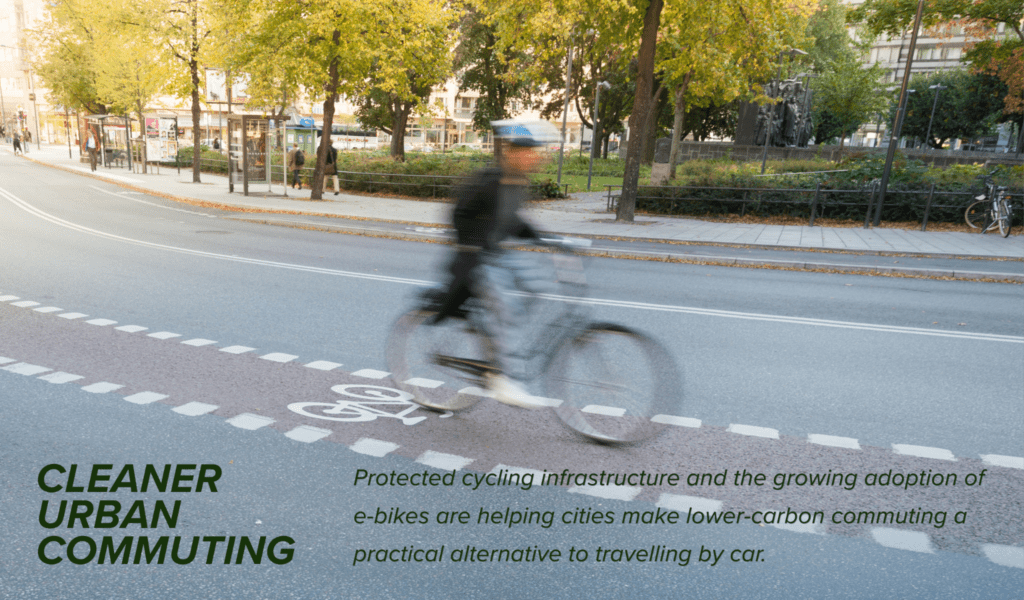
In recent years, sustainability has shifted from a corporate aspiration to a strategic imperative. Companies across industries recognize that environmental responsibility, social equity, and long-term economic resilience are interconnected pillars that shape modern competitiveness. While many organizations have implemented internal sustainability goals, a growing number are leveraging external technology partnerships—particularly through a nearshore software development center —to accelerate and scale their sustainability initiatives.
This article explores how global organizations are integrating sustainable business practices with digital innovation, supported by real-world examples and case-based insights.
Technology as a Driving Force for Sustainable Transformation
Sustainability in business is no longer limited to energy efficiency or waste reduction. Digital transformation now plays a crucial role in enabling sustainable operations by improving data visibility, automating resource-intensive tasks, optimizing logistics, and promoting circular economy models.
However, companies often face challenges such as limited internal technical expertise, long development cycles, and resource constraints. This is where a nearshore software development center becomes a strategic extension of sustainability efforts. These centers provide proximity, cultural alignment, and time-zone compatibility while offering the ability to quickly scale development teams focused specifically on building solutions that support sustainable outcomes.
Why Nearshore Development Matters for Sustainability
While offshore outsourcing remains common, nearshoring offers distinct advantages for companies with sustainability goals:
1. Lower Carbon Footprint in Collaboration
Shorter travel distances between headquarters and partner teams reduce emissions generated from flights and business trips. Even though remote collaboration is standard, many sustainability-driven organizations opt for periodic on-site workshops, where proximity matters.
2. Higher Agility in Innovation Cycles
Sustainability often requires rapid experimentation—testing new features, adjusting models, and integrating emerging technologies. A nearshore partner can work in real time with internal teams, creating faster iteration loops.
3. Better Compliance Awareness
Regulations regarding sustainability reporting (such as CSRD, ESRS, and SEC climate disclosures) vary significantly by region. Nearshore teams typically have a greater understanding of regional compliance expectations.
4. Stronger Alignment with ESG Culture
Cultural and social alignment is crucial when sustainability is part of a company’s identity. Many nearshore hubs in Europe and Latin America prioritize green office practices, ethical employment standards, and community-oriented development, ensuring ESG coherence across teams.
Case Study 1: Reducing Manufacturing Waste Through Data Intelligence
A mid-sized European manufacturing company faced rising pressure to minimize waste and report environmental metrics accurately. Its legacy systems produced fragmented data across multiple facilities, making real-time sustainability monitoring impossible.
Challenge
- Lack of automated waste tracking
- Inability to predict inefficiencies
- High reporting costs due to manual data consolidation
Sustainable Solution
The company partnered with a nearshore software development center in Eastern Europe to build a cloud-based environmental data management platform. The system used IoT sensors installed in production lines to collect data on material usage, waste output, machine energy consumption, and process anomalies.
Impact
- 25% reduction in industrial waste within the first year
- Real-time dashboards that helped executives make data-driven sustainability decisions
- Transition from yearly to continuous ESG reporting, improving compliance and transparency
This case demonstrates how nearshore teams can help companies move from reactive sustainability strategies to predictive and automated ones.
Case Study 2: Sustainable Logistics Optimization for an E-Commerce Retailer
A fast-growing North American e-commerce retailer wanted to expand operations while reducing the environmental impact of its delivery network.
Challenge
- Delivery routes produced unnecessary CO₂ emissions
- Packaging processes were inefficient
- Growth was outpacing internal IT capacity
Sustainable Solution
The retailer established a long-term partnership with a nearshore development team in Mexico, who built a route optimization engine powered by machine learning. The system calculated the most fuel-efficient delivery paths while prioritizing shipment consolidation and eco-friendly packaging workflows.
Impact
- 30% reduction in delivery-related emissions
- Improved last-mile efficiency
- Automated packaging recommendations that reduced material usage by 18%
The collaboration enabled the company to scale sustainably without compromising customer experience.
Case Study 3: Green Fintech Innovation for Ethical Investment
A Scandinavian fintech startup wanted to create a platform that allowed users to evaluate the environmental and social impact of investment portfolios. The team had strong financial expertise but lacked the technological capabilities to build a scalable, data-driven product.
Challenge
- Need for complex ESG data aggregation
- Limited development expertise in-house
- Tight deadlines due to investor expectations
Sustainable Solution
By working with a proficient nearshore software development center in the Baltics, the startup built:
- A real-time ESG scoring algorithm
- A user-facing dashboard for impact visualization
- Integrations with sustainable asset databases
Impact
- Successful launch within 8 months
- Rapid user adoption among eco-conscious investors
- Recognition as one of Europe’s top emerging “green fintech” platforms
This case highlights how nearshore teams help sustainability-focused startups innovate faster and more cost-effectively.
Key Principles for Businesses Building Sustainable Tech Partnerships
Whether you are a multinational corporation or an emerging impact-driven startup, integrating sustainable thinking into your tech strategy requires intentional design. Here are essential principles to guide partnerships:
1. Align Tech Roadmaps With ESG Goals
Sustainability and technology teams should collaborate closely, ensuring that digital tools directly support measurable ESG outcomes.
2. Prioritize Transparency and Lifecycle Thinking
Your development partner should embrace sustainable practices—from green office operations to ethical workforce policies.
3. Choose Partners With Domain Knowledge
Nearshore centers with previous experience in green tech, circular economy solutions, or ESG analytics deliver higher value.
4. Focus on Long-Term Collaboration
Sustainable transformation is an ongoing journey, not a one-time project. Stable partnerships ensure continuity and scalability.
Conclusion: Sustainability and Technology Are Now Inseparable
The global shift toward responsible business practices is accelerating, and organizations increasingly rely on innovative technology to achieve their sustainability goals. A nearshore software development center offers the perfect balance of expertise, agility, cultural alignment, and operational efficiency for companies committed to building a more sustainable future.
From waste reduction in manufacturing to sustainable e-commerce logistics and ethical investing, real-world cases show that nearshoring is not merely a cost-saving strategy—it is a catalyst for meaningful, measurable impact. As businesses continue to navigate environmental and social challenges, technology partnerships will remain a central pillar of sustainable transformation.