In a world increasingly aware of environmental challenges, eco-friendly living isn’t just a trend — it’s a necessity. While large-scale changes like policy reforms and industrial overhauls are critical, the power of individual action should not be underestimated. Small shifts in daily habits can aggregate into massive collective impact, reducing our carbon footprint, conserving precious resources, and nurturing a healthier planet for future generations. By embracing sustainability at the personal level, each of us becomes part of a larger movement — and that’s where real change begins.
1. Energy Efficiency at Home
One of the easiest and most effective ways to reduce your environmental impact is by conserving energy. Simple steps like replacing incandescent bulbs with LED lights can cut energy consumption by up to 75%. Equally important is eliminating “phantom loads” — many devices continue drawing power even when switched off. Unplugging chargers, using smart power strips, and turning off electronics when not in use can make a notable difference.

2. Water Conservation
Water is a precious resource, and each of us can contribute to its preservation. Fixing leaky faucets, taking shorter showers, and turning off taps while brushing teeth are everyday habits that save a surprising amount. Installing low-flow fixtures — like faucets, showerheads, and dual-flush toilets — further reduces water usage without compromising performance.
Where possible, you can also collect rainwater for gardening or for non-potable household uses. These steps not only conserve a finite resource, but also reduce the energy burden associated with water treatment and heating
3. Reduce, Reuse, Recycle
The mantra “reduce, reuse, recycle” remains one of the most powerful tools in sustainable living. Minimizing unnecessary purchases and choosing products with minimal or recyclable packaging helps reduce waste. Replace single-use plastics — like shopping bags, water bottles, and straws — with reusable ones made of cloth, glass, or stainless steel. Another impactful change is composting. Food scraps like vegetable peels, coffee grounds, and eggshells can be composted to enrich soil, diverting them from landfills and reducing methane emissions. Whether you have a backyard or just a small apartment, composting systems now come in various sizes to suit your space.
4. Mindful Eating and a Plant-Rich Diet
What you eat has a direct environmental footprint. Transitioning to a more plant-rich diet — even partly — can significantly lower greenhouse gas emissions and reduce water use. You don’t need to become fully vegetarian or vegan to make a positive change; simply incorporating more meat-free meals like “Meatless Mondays” or using lentils, beans, tofu, and other plant-based proteins can go a long way.

5. Greener Commuting
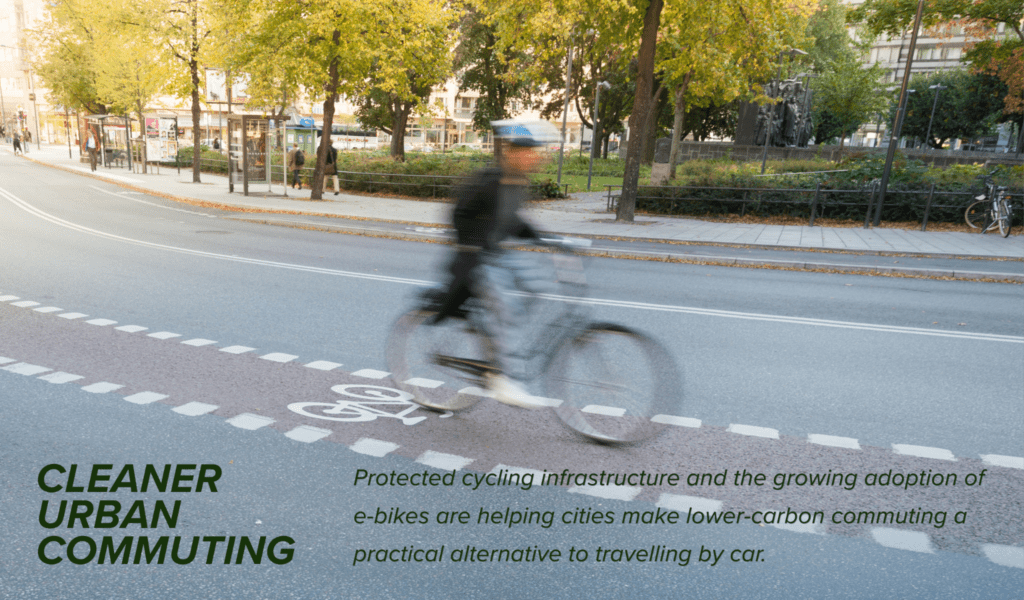
Transportation is one of the largest contributors to carbon emissions. But you don’t need to ditch your car entirely to make a difference. Consider walking or cycling for short trips, carpooling with friends or colleagues, or using public transport whenever possible.
If you’re planning to buy a vehicle, electric and hybrid options are becoming more accessible and affordable. For day-to-day commuting, even choosing to cycle or walk more can contribute significantly to reducing your personal carbon footprint.
6. Sustainable Materials & Home Décor
When renovating or decorating, choosing sustainable materials matters. Opt for bamboo, reclaimed wood, recycled glass, or other eco-friendly materials for furniture, flooring, and home accents. Use non-toxic paints and finishes to reduce indoor air pollution and avoid chemicals.
Additionally, buying durable, high-quality items – rather than fast, throwaway products – means you’ll replace things less frequently, which saves both resources and money in the long run. For instance, Home Reserve’s comfortable loveseat is crafted with longevity in mind, making it an excellent choice for those seeking sustainable furniture options.
7. Community Action & Advocacy
Individual actions are powerful, but when combined with community efforts, they’re transformative. Joining local environmental groups, volunteering for tree-planting drives, or participating in recycling programs helps amplify your impact. Talk to your friends, neighbors, and family about sustainable habits — collective change often starts with conversation.
You can also support eco-friendly brands and local businesses committed to sustainability. By consciously choosing where you spend your money, you’re voting for a greener economy and encouraging companies to adopt better practices.
8. Health & Wellbeing Benefits
Living eco-consciously isn’t just good for the planet — it’s good for you. Switching to natural cleaning products, such as those made from vinegar, baking soda, or citrus, reduces your exposure to harsh chemicals, making your home safer and healthier.
Growing plants or maintaining a small garden brings you closer to nature and can be therapeutic. Embracing a plant-based diet can also improve health by lowering cholesterol and increasing your intake of fiber and antioxidants, contributing to long-term wellness.
9. Financial Savings
Many eco-friendly changes save you money over time. Energy-efficient appliances and LED lights reduce electricity bills. Water-saving fixtures lower water bills. Durable, sustainable materials reduce the need for frequent replacements. And by reducing waste — through reuse, recycling, and composting — you spend less on disposable products. Altogether, these savings can accumulate significantly over months and years.
10. Making It Enjoyable: Small Rituals That Help
Going green doesn’t have to feel like a chore. In fact, it can become a joyful routine. You might begin your day by turning off lights and unplugging unnecessary devices, or end it by composting kitchen scraps. On weekends, tending to a garden or prepping plant-based meals can become a relaxing ritual rather than a task.
And here’s a fun eco-friendly idea to bring people together: invite friends or family over for a get-together where you serve refreshing, low-waste beverages using seasonal or organic ingredients – it’s a sustainable way to enjoy social time! For inspiration, you can explore some of the best seltzers non alcoholic options.
Conclusion
Eco-friendly living doesn’t demand sweeping, dramatic changes. It’s about recognizing that each small choice — turning off a tap, unplugging a device, swapping a plastic bottle for a glass one – adds up. When multiplied across millions of households, these tiny actions make a monumental difference. By gradually integrating energy efficiency, water conservation, a plant-rich diet, sustainable materials, and mindful habits, you’re not just improving your own life – you’re contributing to a healthier, more sustainable planet.