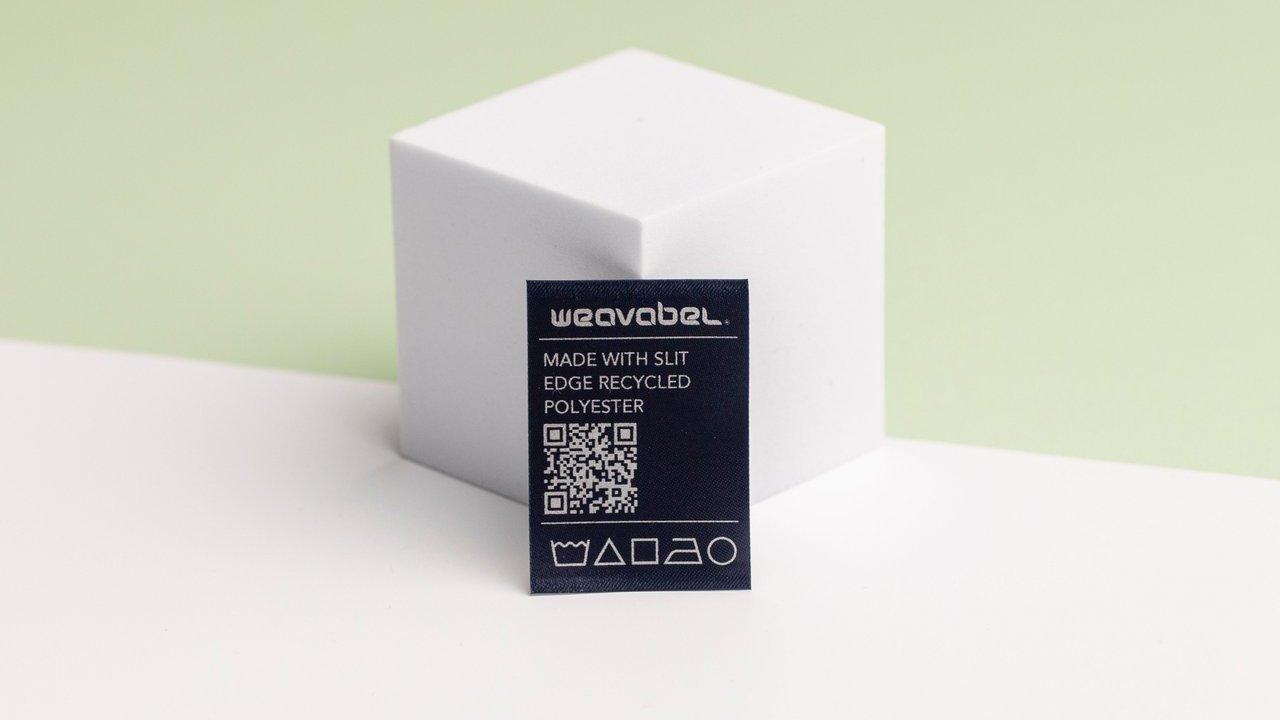
Asset tracking is no longer just about keeping inventory records accurate. For businesses working to reduce waste and extend the life of reusable materials, reliable identification can also support environmental goals. A missing returnable container or misplaced piece of equipment can lead to unnecessary replacement purchases, additional manufacturing, and more material consumption.
Paper-based identification offers several options, from printed barcodes to passive RFID labels. Battery-powered wireless tags provide another approach, although their electronic components introduce additional environmental considerations. Choosing between these technologies requires looking beyond tracking performance to material use, durability, electronic waste, and responsible end-of-life management.
Where Paper Labels Still Work Best
For assets that rarely move, printed paper labels remain a practical choice. Offices can identify monitors and peripherals with numbered stickers, while schools and libraries can use barcodes to manage shared equipment.
Compared with some plastic-based labels, uncoated paper may be easier to process through suitable recycling systems. However, paper is not automatically the more sustainable option. Printing inks, adhesives, protective coatings, and replacement frequency all influence environmental performance.
Synthetic labels often withstand moisture and repeated handling better than ordinary paper. A paper label that needs frequent replacement may ultimately consume more resources than a durable alternative, increasing material consumption and disposal waste.
Choosing the right material requires considering its expected lifespan, recycling compatibility, and disposal requirements rather than focusing on its composition alone.
Match the Surface to the Label
A label’s environmental impact is closely connected to its durability, useful life, and disposal requirements.
Uncoated paper can deteriorate when exposed to water, cleaning chemicals, or friction. Coated paper may offer better protection, although certain coatings and adhesives can complicate recycling and material recovery.
Businesses should test labels on cardboard, plastic, and painted metal before placing large orders. Checking adhesion, readability, and resistance to everyday handling helps prevent premature replacement, unnecessary material consumption, and additional waste.
Placement also matters. Labels should remain accessible for scanning without blocking ventilation or requiring equipment to be dismantled. Proper positioning can extend label usability and reduce the need for replacements.
From Printed Codes to Wireless Identification
Barcodes and QR codes are inexpensive identification methods, but employees must scan them directly. Passive RFID labels can be read wirelessly without an internal battery, potentially reducing missed inventory checks.
Paper can serve as a substrate for printed RFID antennas, although the environmental outcome depends on the complete label design.
A study published in the journal Sustainability, titled Print Durability and Recyclability of Label Paper Equipped with Printed RFID Antenna, examined how printed electronics affect label durability and recyclability.
The findings underline the importance of considering inks, adhesives, and electronic components when assessing whether paper-based smart labels are suitable for recycling.
Battery-free identification can avoid some electronic waste associated with powered tracking devices, but RFID labels still require responsible material selection and disposal.
Where a Thin Battery-Powered Tag Makes Sense
For assets that move frequently between locations, a wireless paper asset tag may offer advantages over identification methods that depend on manual scanning.
Minew’s MTB02 is one example. According to the manufacturer’s published specifications, the MTB02-01 measures 2.1 mm thick, has a broadcast range of up to 50 meters in open space, and offers up to six months of battery life under default settings. The thinner MTB02-02 offers a different balance of size, range, and battery life.
These specifications describe particular operating conditions rather than guaranteed performance in every facility.
The environmental trade-off is important. Unlike a printed barcode or passive RFID label, a battery-powered tag includes an energy source and electronic components.
Minew identifies the MTB02 as using a paper-battery design, but its publicly available specifications do not clearly identify the battery chemistry, confirm whether the battery is replaceable or rechargeable, or establish a dedicated take-back program.
Before purchasing at scale, businesses should request written information about these factors, including safe disposal and recovery arrangements.
Supporting Circular Logistics Through Better Tracking
One promising application for smarter tracking is reusable transport packaging.
Manufacturing businesses, warehouses, and logistics providers regularly circulate returnable bins, pallets, containers, and protective packaging between facilities. When these assets are lost or remain unreturned, replacements must be purchased.
That creates additional demand for raw materials, manufacturing, and transportation.
Tracking systems can help businesses identify where reusable packaging last appeared, improve return procedures, and reduce avoidable replacement purchases.
Research published in Frontiers in Sustainability, titled Key Metrics to Measure the Performance and Impact of Reusable Packaging in Circular Supply Chains, identifies packaging loss rates, return transportation, and recovery costs as important factors affecting system performance.
However, tracking alone does not guarantee environmental savings. Extra transport journeys, cleaning requirements, and the resources needed to manufacture electronic tags can offset some benefits.
For predictable routes, barcodes may provide sufficient visibility. Wireless identification may become more useful when missed scans repeatedly prevent packaging recovery.
Costs, Security, and Disposal Deserve Attention
A sustainable tracking decision should consider the complete system rather than the price of individual labels.
Printed identification usually involves fewer electronic components, while wireless systems may require gateways, software, power consumption, and battery management.
Security is another consideration. Businesses should restrict access to tracking records and avoid printing confidential information directly on labels.
End-of-life planning is especially important for electronic identifiers. Paper-based labels containing batteries, antennas, or other electronic components should not automatically enter conventional paper recycling streams.
Businesses should ask suppliers about battery chemistry, electronic waste handling, material separation, and available collection programs.
A label described as eco-friendly should still be evaluated against evidence of its actual environmental performance.
Choose Visibility That Matches the Job
The most sustainable identification system is not necessarily the most technologically advanced.
Businesses should begin with a small pilot, measuring missed scans, asset losses, packaging recovery rates, replacement purchasing, and the resources required to operate the tracking system.
Where a printed barcode performs reliably, it may provide the necessary visibility with fewer electronic components.
Where reusable assets move frequently and regularly disappear from circulation, battery-powered tracking may help reduce unnecessary replacements.
Ultimately, smarter asset identification supports responsible business when it keeps valuable materials in use longer without creating avoidable waste of its own.