Why HR Belongs in the Sustainability Conversation
ESG was never only about what a business buys or emits. The social and governance strands cover how an organisation treats its workforce and how well it runs day to day, and HR sits at the centre of both. An HR function still built on spreadsheets, filing cabinets and long email chains produces waste in every sense of the word: printed forms, duplicated effort, and hours lost to chasing signatures and re-keying the same data into different places.
That waste carries a cost beyond inefficiency. Manual administration consumes paper, storage space and energy, and it ties skilled people to repetitive tasks that software now handles in seconds. For a business serious about operating sustainably, the back office is not a side issue. It is part of the footprint.
Less Paper, Less Storage, Less Repetition
Most traditional HR processes were designed around paper. Contracts, policy acknowledgements, leave requests, expense claims and appraisal records all once required printing, signing, photocopying and filing. Each step uses materials and energy, and every archive box needs somewhere to live, often in heated, lit office space that exists for no other reason.
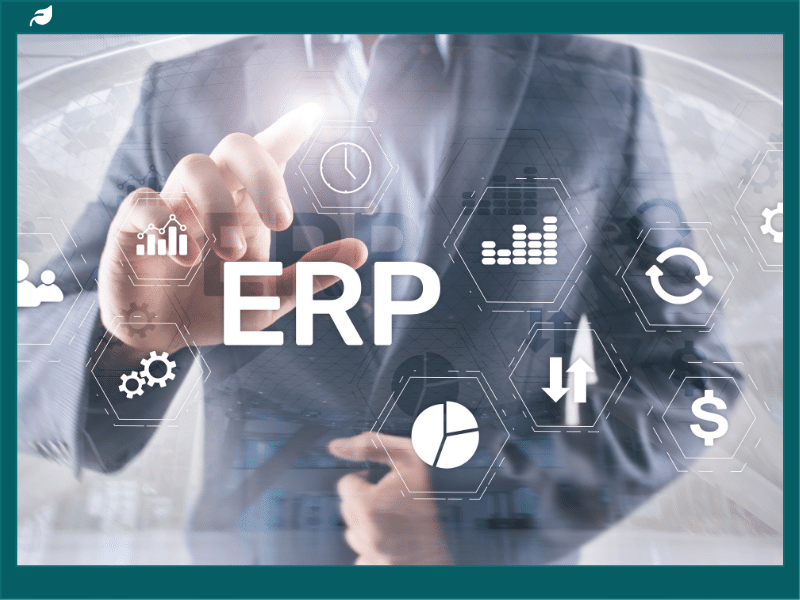
Modern HR systems move these processes into a single digital environment. Electronic signatures replace printed contracts. Self-service portals replace forms that once travelled between desks. Employee records sit in one secure database rather than in cabinets across several offices. The environmental gains are easy to picture: less printing, less physical storage, less internal post. The operational gains are just as real. Fewer errors creep in when data is entered once rather than three times, and HR teams get to spend their time on people rather than paperwork.
Making Remote and Hybrid Work Actually Work
Flexible working is one of the most direct ways a business can cut commuting emissions and shrink its office energy bill. But hybrid arrangements only hold together when employees can do everything they need to do without coming in. Cloud-based HR software lets people book leave, view payslips, complete training and update their personal details from anywhere, while managers can approve requests and see who is working where without a single trip to the office.
When that digital backbone is missing, hybrid teams drift back towards old habits. Documents get printed at home, approvals stall in inboxes, and the office quietly becomes mandatory again. Reliable digital HR removes those friction points, which in turn lets companies make confident decisions about how much office space they genuinely need.
Wellbeing Is an Operational Issue Too
A sustainable business is one that people want to stay in. Burnout and turnover are forms of waste as surely as discarded paper is. Every resignation means recruitment costs, retraining time and lost institutional knowledge walking out the door.
Better HR accessibility helps here in quiet but real ways. When employees can find benefits information, request support or raise a concern through a clear channel, small frustrations stop compounding into bigger problems. Absence tracking can flag patterns early enough for managers to step in with help rather than discipline. And open, consistent communication during periods of change keeps trust intact. None of this requires grand gestures. It requires systems that make the everyday experience of work less frustrating, so that good people stay longer and do better work while they’re there.
Workforce Data and Smarter Decisions
You can’t manage what you can’t see. Centralised HR data gives leaders a live picture of absence trends, turnover hotspots, training gaps and team capacity. That visibility feeds directly into operational choices with environmental consequences.
Occupancy and working-pattern data, for example, can show whether a company really needs all the space it leases, or whether heating, lighting and powering a half-empty floor is avoidable. Capacity data can reveal overloaded teams before deadlines slip and overtime climbs. Recruitment planning becomes grounded in evidence rather than guesswork. In each case, the same information that helps HR run better also helps the wider business run leaner.
Part of the Strategy, Not Just an HR Project
Digital transformation in HR is sometimes treated as back-office housekeeping, a project to tick off once the new software goes live. That framing undersells it. The businesses getting the most from this shift treat people operations as one thread of a wider operational sustainability strategy, sitting alongside energy, procurement and travel.
Seen that way, the case is straightforward. Digitised HR reduces material waste, supports lower-emission ways of working, protects employee wellbeing and produces the data needed for sharper decisions. None of those outcomes belongs to HR alone. They belong to any business trying to operate efficiently and responsibly over the long term. And that, increasingly, is every business.