Sustainability in industry is often discussed in terms of emissions, energy use, and process efficiency. Those topics matter, but they are only part of the picture. Another factor is often underestimated: how long industrial systems and components actually last once they are in service.
In demanding environments, material choice has a direct effect on service life, maintenance frequency, replacement cycles, and operational continuity. When components fail too early, the impact goes beyond downtime and repair costs. It also means additional transport, new raw materials, more waste, and more pressure on already complex supply chains. That is why asset lifecycle thinking is becoming more relevant in industrial decision-making.
Sustainability is also about how long assets stay in service
For many industrial companies, sustainability targets are becoming more concrete. At the same time, operators still have to deal with practical realities such as corrosion, heat, pressure, aggressive media, and strict uptime requirements. In that context, an asset is only truly sustainable if it can continue performing reliably over time.
A shorter replacement cycle may look manageable on paper, especially when the initial purchase price is lower. In practice, however, repeated maintenance, unplanned shutdowns, and premature replacement can create a much heavier footprint over the full lifecycle of an installation.
That is why long-term performance should not be seen as a technical side issue. It is part of the broader sustainability equation.
Costs of early material failure
When material selection is based mainly on upfront cost, companies can overlook the long-term operational consequences. A component that needs to be replaced earlier than expected does not just affect the maintenance budget. It can also disrupt production planning, create safety concerns, and increase the total environmental burden of the system.
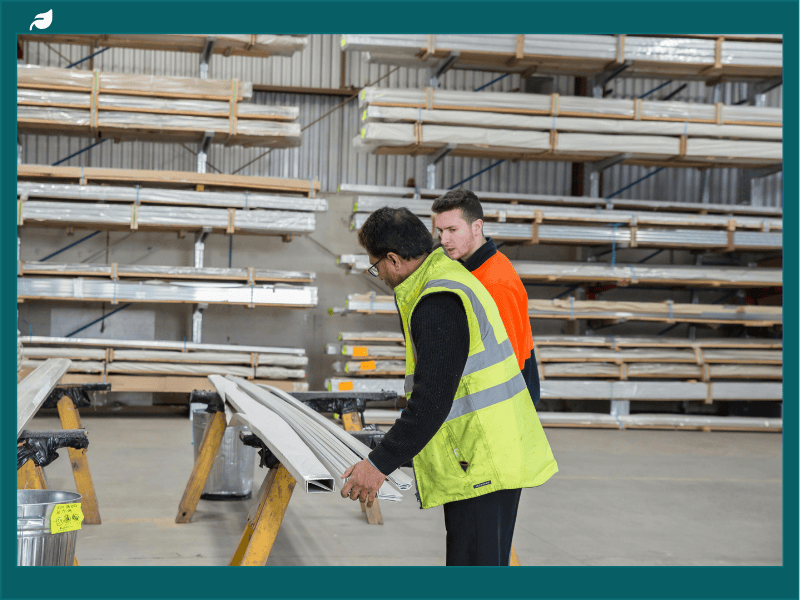
This is particularly relevant in industrial applications where piping systems, fittings, and flanges are exposed to severe operating conditions. In those settings, durability is closely linked to reliability. And reliability, in turn, supports a more efficient use of resources over time.
Using materials that are better suited to the application can help reduce the number of interventions needed during the lifecycle of the asset.
Specialty nickel alloy suppliers such as Maass Special Alloys, which supply nickel alloy piping products for demanding industrial applications, operate close to these practical challenges.
This means better materials that suit the environment. Fewer interventions generally mean less material waste, less transport, and less disruption to operations.
Better material choices can reduce waste and unnecessary replacement
Better material choices can reduce waste and unnecessary replacement by lowering the number of avoidable interventions across the full lifecycle of an installation.
 Fewer replacement moments mean less disruption to operations
- Lower replacement frequency reduces pressure on logistics and planning
- Better material fit can help limit labor and inspection needs
- Longer-lasting components can extend the useful life of wider systems
- Reduced maintenance activity often means less waste over time
That does not mean every application needs the highest-grade material available. It means the chosen material should align with the actual operating demands. Good lifecycle performance starts with making that match correctly.
Specialist knowledge is key
Material performance is rarely just about the material itself. It is about the relationship between the material, the environment, and the operating conditions. That is why specialist input remains valuable, especially in applications where corrosion resistance, strength, and long-term reliability are important.
The more precise those decisions are, the better the chance of building installations that are both operationally strong and more sustainable over time.