Weavabel has doubled its care labels team from four people in 2025 to eight in 2026, appointing three staff across Portugal and China as quarterly output rose 300%. The sustainable trims and packaging specialist produced 3.6 million care labels in the second quarter of 2026, compared with around 900,000 in the same period last year. The appointments support a growing requirement for brands selling into Europe to maintain compliant, consistent garment information throughout their supply chains. As Digital Product Passports become part of product traceability plans, care labels are taking on a more central role in fashion’s circular economy.
Production Expands In Portugal
The new team includes Leyla Liu, Variable Data Account Manager in China, who provides local support to brands and garment factories. In Portugal, Joao Melo joins as Variable Data Production Manager and Jorge Miguel as Variable Data Production Specialist.
Melo is Weavabel’s first care label production worker, marking the first time the company has produced labels itself from its Portuguese base. Miguel works alongside him, growing the local production operation from one person to a dedicated team of two.
The move gives Weavabel more direct control over label production while its European capacity rises. The business has also added printers, increasing production capacity in Europe by 50%, and extended its production partner network across Bangladesh, Vietnam and Turkey.
Compliance Drives Label Demand
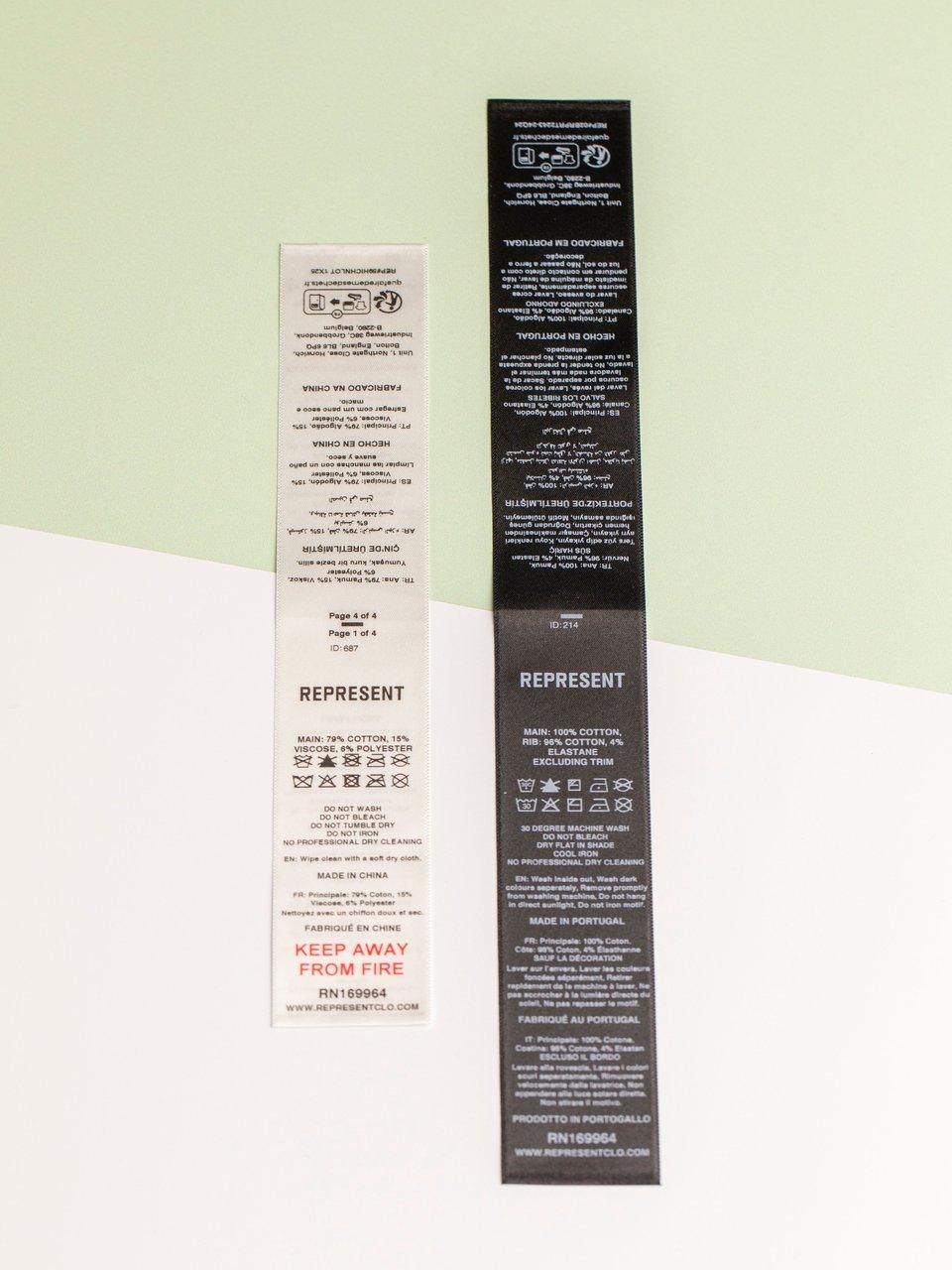
Care labels are often a small physical component of a garment, but they contain information that must be accurate across markets, languages and production locations. For fashion brands, centralising label design, approval and ordering can offer clearer oversight than leaving individual factories to source labels independently.
Laetitia Surtees, Variable Data Operations Manager at Weavabel, said:
“A care label can look like the simplest thing on a garment, but there’s a lot going on behind it. With regulations multiplying, brands want one place to design, approve and order labels that are compliant everywhere they sell. Growing the team and bringing production in-house in Portugal means Weavabel can give every brand a fast, personal service as volumes keep climbing. The care label is fast becoming a garment’s permanent ID card, and brands are treating it that way.”
Consumer use also supports the focus on clear garment information. A survey of 1,000 UK adults aged 18 to 65, conducted by Ipsos for Ginetex in December 2024, found that 82% of UK consumers find clothing care labels and their symbols useful when looking after their clothes.
Digital Records On Garments
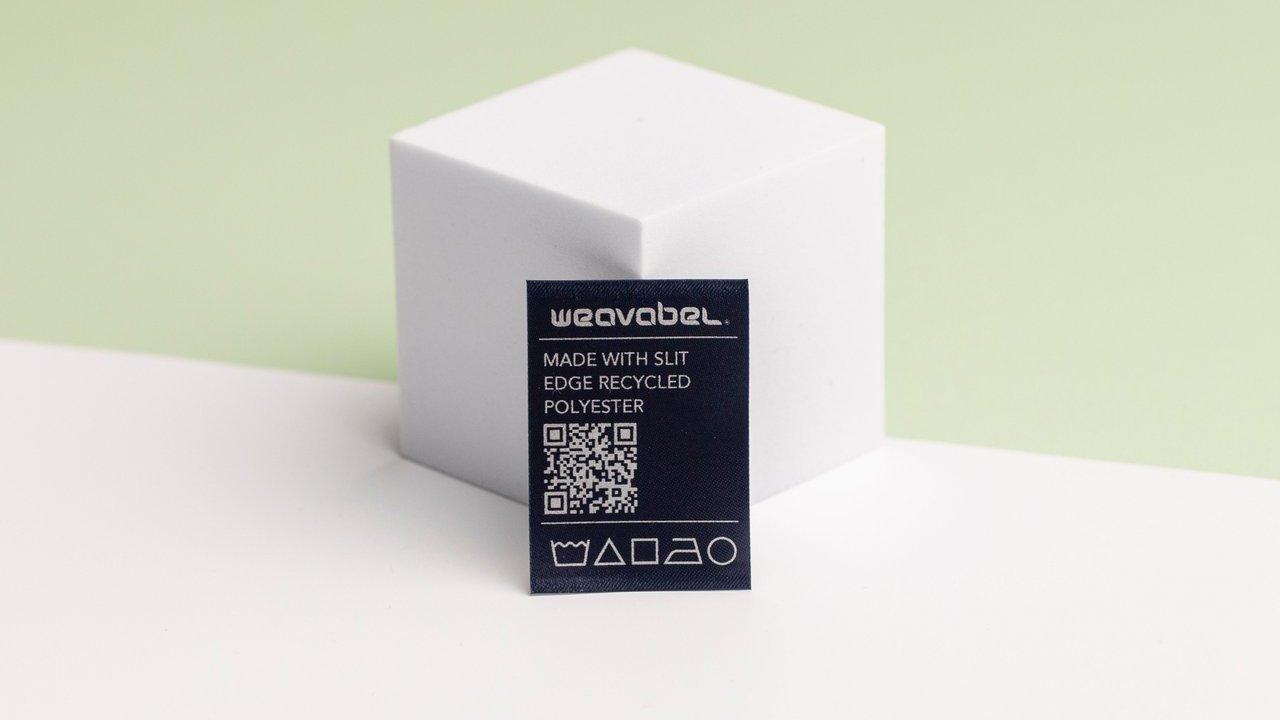
Digital Product Passport requirements are adding a new function to the physical label. Brands are increasingly using QR codes or RFID tags on care labels to connect garments with digital records covering where items were made, their materials and information on care, repair and recycling.
Care instructions still need to appear on the physical label, meaning the label must work as both a practical guide for the consumer and a link to wider product information. Weavabel has integrated with Digital Product Passport partners Bombiix and osapiens as it develops this service.
Travis Stutterheim, Variable Data Manager at Weavabel, said:
“The biggest misconception about care labels is that they’re simple. Behind every one is artwork, translations, approval and production that has to be right first time. Our portal takes that complexity away, and with Digital Product Passports the care label is becoming the obvious place to connect a garment to its digital record.”
Centralising Label Management
To manage higher order volumes, Weavabel has launched an online portal where brands can create, approve and order label artwork. The system is supported by a managed translation database, a useful addition for brands selling garments across multiple territories.

The company has divided its care labels department into technical and systems, led by Stutterheim, and operations, led by Surtees. This structure reflects the combination of data management, artwork approval, translations and physical production involved in supplying labels at scale.
Philip Fulcher, Global Head of Operations at Weavabel, stated:
“Care labels is now the fastest-growing part of Weavabel, and that tells you where the fashion industry is heading. Compliance is no longer something brands can leave to individual factories. By doubling the team, adding capacity in Europe and producing garment labels in-house in Portugal for the first time, we’re making sure brands can centralise their care labels with us and stay compliant as the rules change.”
Next Steps For Care Labels
Over the next 24 months, Weavabel aims to double the number of brands onboarded for care label supply. It is also developing an AI-driven platform intended to give customers live order tracking.
The company’s expansion shows how garment labels are becoming a more important operational point for fashion brands. With physical care information, traceability data and digital product records increasingly connected, well-managed labels can help brands maintain visibility across their products and supply chains.