John Crane marks 50 years since a technological breakthrough that reshaped gas compression sealing, tracing the evolution of dry gas seals from their industrial debut in the mid-1970s to their current role in energy transition applications.
The milestone marks five decades since the introduction of the Type 28 dry gas seal in 1976, a development widely regarded as a turning point for compressor reliability and sealing performance. Introduced by John Crane, a global provider of flow control technologies and part of Smiths Group plc, the Type 28 established a new benchmark for safety, efficiency and operational reliability in centrifugal compressors.
While research into non-contacting spiral-groove sealing technology began as early as 1968, and the first commercial installation was achieved in 1975, it was the launch of the Type 28 that accelerated industry adoption. The seal addressed longstanding challenges associated with oil-lubricated wet seals, offering improved reliability and reduced leakage in demanding operating environments.
Since that point, dry gas seals have become standard components in centrifugal compressors across sectors including oil and gas, petrochemicals and power generation. In recent years, their use has expanded into hydrogen processing and carbon capture applications, where sealing reliability and emissions control are critical.
Over the past 50 years, John Crane has continued to develop the technology to meet increasingly complex operating conditions. Enhancements have included the introduction of bi-directional groove designs and the extension of dry gas seal capability into ultra-high-pressure environments, reaching up to 425 barg, or 6,164 psig. Material innovations have also played a role, including the development of Carbon LF™, designed to support higher performance and durability.
Digitalisation has become a more recent element of sealing technology development. Tools such as John Crane Sense Turbo have enabled real-time condition monitoring and predictive diagnostics, giving operators earlier insight into seal performance and supporting maintenance planning. These capabilities reflect broader trends across industrial equipment toward data-driven reliability and asset management.
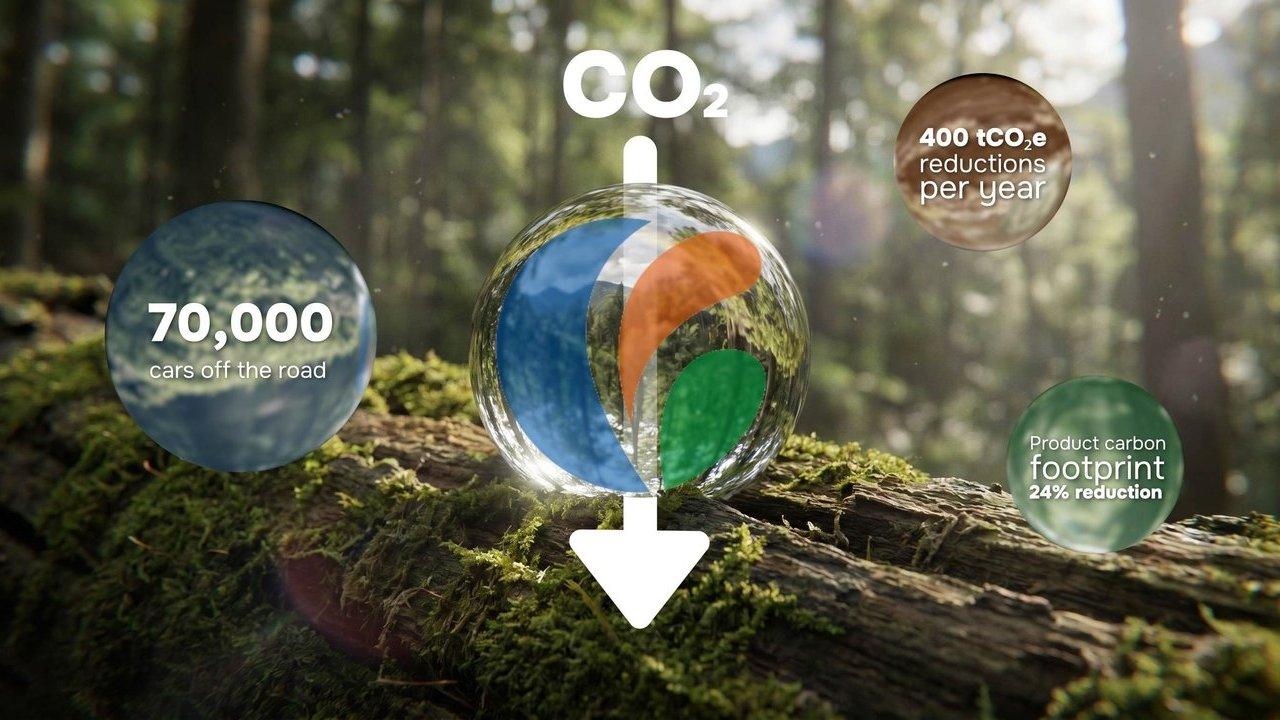
Environmental performance has also become a defining focus for dry gas seal technology. Retrofitting wet seals with dry gas seals has delivered measurable emissions reductions in some applications. John Crane reports that wet-to-dry retrofit programmes have resulted in carbon dioxide reductions of around 278,000 tonnes per year in certain customer installations.
Modern dry gas seals can also significantly reduce methane and fugitive emissions. When replacing traditional oil-lubricated wet seals, dry gas seals can lower methane emissions by up to 95 percent, addressing a major source of greenhouse gas emissions in gas compression systems.
Further efficiency gains have been achieved through advances in separation seal design. John Crane’s Type 93AX separation seal, for example, can reduce nitrogen consumption by up to 80 percent compared with traditional carbon ring assemblies. Lower nitrogen demand supports both energy efficiency and operating cost reduction, particularly in large compressor fleets.
Today, John Crane’s dry gas seals support a global installed base numbering in the thousands. This footprint is backed by more than 200 manufacturing, sales and service centres worldwide, including 12 dedicated turbo service centres. The company positions this combination of technology development and local service capability as central to supporting customers’ operational reliability, environmental performance and safety requirements.
Rubén Álvarez, President of John Crane, said the anniversary reflects both an engineering milestone and the sustained collaboration between the company and its customers.
“Dry gas seals transformed compressor reliability and set a new industry standard in 1976,” Álvarez said. “Our 50-year anniversary not only celebrates a milestone in engineering innovation but also recognises the continued dedication of our global teams and the customers who have trusted our technology for decades. We remain committed to advancing sealing solutions that support reliability, efficiency and the future of sustainable energy.”
The anniversary comes at a time when sealing technologies are playing a growing role in energy transition infrastructure. Hydrogen processing, carbon capture and storage, and lower-emission gas systems place new demands on compressors, with tight tolerances for leakage and high expectations around uptime. Dry gas seals are increasingly positioned as enabling components in these systems.
Throughout 2026, John Crane plans to mark the anniversary with a programme of technical and historical content. This will include the publication of technical papers, customer case studies, historical retrospectives and multimedia materials documenting the evolution of dry gas seal technology from its early development to its current applications.
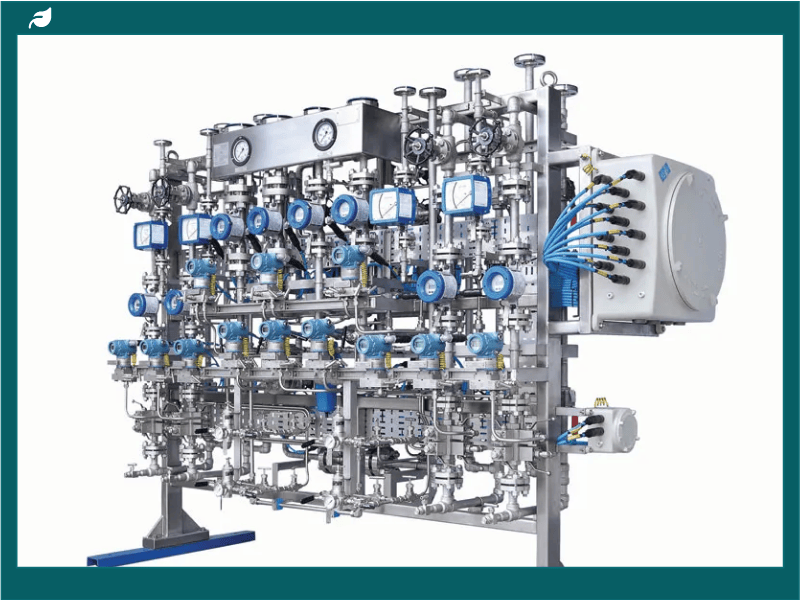
The company’s portfolio extends beyond dry gas seals to include mechanical seals, seal support systems, couplings and filtration technologies, supported by service solutions and digital diagnostics. John Crane operates across more than 50 countries and forms part of Smiths Group plc, a FTSE 100 industrial technology company.
As dry gas seals enter their sixth decade of industrial use, their development reflects wider shifts in rotating equipment design. From improving compressor reliability in oil and gas facilities to reducing emissions and supporting new energy systems, the technology continues to evolve in response to changing industrial and environmental priorities.
The 50-year milestone highlights how a single engineering innovation introduced in the 1970s has become a foundational technology across global energy and process industries, with ongoing relevance as those sectors adapt to new operational and environmental demands.