The ongoing power outages at Zaporizhzhia Nuclear Power Plant have raised considerable concerns about potential radiation exposure risks in the region. As Europe’s largest nuclear facility, the plant’s operational stability is crucial for safeguarding public health and environmental integrity.
Recent disruptions in its power supply underline vulnerabilities that could lead to hazardous situations, demanding immediate attention from international nuclear safety bodies. This page delves into the challenges posed by these outages, examining both the underlying causes and the broader implications for nuclear safety standards and regional security dynamics.
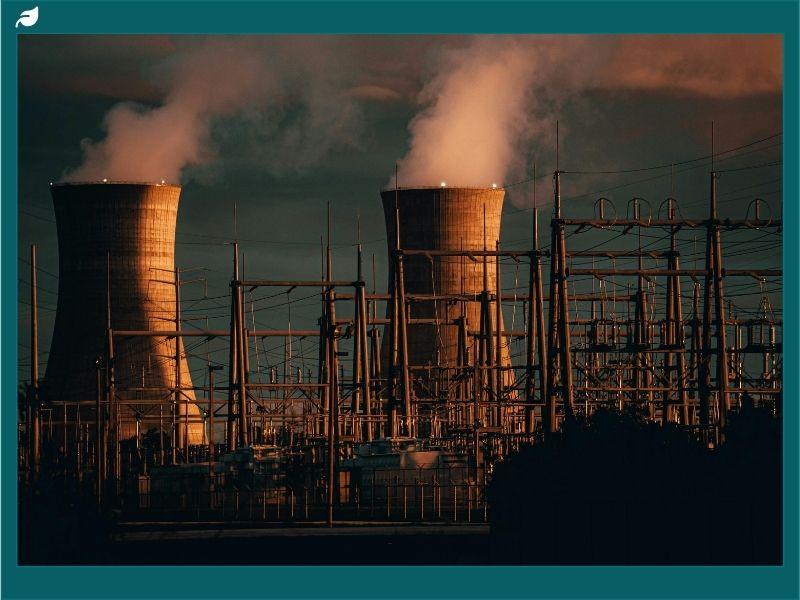
Overview of Zaporizhzhia Nuclear Power Plant
The Zaporizhzhia Nuclear Power Plant, known as the largest nuclear power plant in Europe, stands in southern Ukraine. It has significant historical importance, reflecting both past challenges and its current operational intricacies amid geopolitical tensions.
The plant, often abbreviated as ZNPP, has been under the spotlight, especially during recent conflicts involving Russian forces. The plant’s operational status is critical, not just to Ukraine but to overall regional energy stability.
With growing concerns, the presence of IAEA observers is more crucial than ever to ensure safety measures are in place, avoiding potential risks associated with power fluctuations and radiation.
Historical Significance of the Nuclear Plant
The historical significance of the Zaporizhzhia Nuclear Power Plant (ZNPP) stems from its establishment as a cornerstone of Ukraine’s nuclear power ambitions during the Soviet era. As one of the largest nuclear power stations globally, its construction marked a pivotal shift toward nuclear energy as a primary electricity source.
Operational since the 1980s, the plant has not only powered millions of Ukrainian homes but also underscored nuclear energy’s role in the nation’s post-Soviet economic landscape. Amid Ukraine’s quest for energy independence, ZNPP became indispensable, highlighting its strategic significance through both peaceful periods and conflicts.
The plant’s six reactors have continuously evolved to meet safety and efficiency standards, even under the scrutinizing eyes of international agencies like the IAEA. However, its location in a region marked by geopolitical tensions has repeatedly made it a focal point in power struggles, particularly involving Russian forces and regional control.
As a symbol of both technical achievement and ongoing regional conflicts, ZNPP remains central to discussions on nuclear energy policy and security.
Given the Zaporizhzhia Nuclear Power Plant’s pivotal role in Ukraine’s energy sector, the following points summarize its key impacts on the region and internationally:
- Enhanced Ukraine’s energy independence and reduced reliance on fossil fuels.
- Boosted local economies through job creation and infrastructure development.
- Served as a vital element in discussions on global nuclear energy use.
- Advanced nuclear safety protocols in collaboration with international experts.
- Remained a critical factor in geopolitical and energy security dialogues.
These factors collectively demonstrate the diverse impacts of the Zaporizhzhia Nuclear Power Plant on Ukraine and neighboring regions.
Current Operational Status
The current operational status of the Zaporizhzhia Nuclear Power Plant is complex, shaped by the interplay of technical, political, and environmental considerations. Amid ongoing military tensions in Ukraine, particularly involving Russian forces, the ZNPP’s operations face unprecedented challenges.
These include ensuring reactor safety under the duress of geopolitical conflict. The IAEA’s presence is pivotal, providing oversight to manage risks linked to power disruptions. With its six reactors, the plant operates under careful monitoring to prevent potential radiation releases.
Although disruptions occur, the focus remains on stabilizing power output and maintaining safety protocols. The power plant’s fluctuating operational status not only affects local energy provision but also plays a role in broader regional energy security.
Continuous assessments by international bodies aim to alleviate c, ensuring that any operational issues are swiftly addressed to prevent adverse environmental impacts. Given Ukraine’s reliance on nuclear power, the ZNPP’s status is integral to national energy strategies, making its smooth operation crucial to overcoming existing energy challenges.
The Ongoing Power Outage
The Zaporizhzhia Nuclear Power Plant is experiencing a prolonged power outage, which complicates efforts to maintain operational stability. The ongoing interruption exposes vulnerabilities in local infrastructure and tests the effectiveness of backup power systems.
Political tensions in Ukraine further complicate restoration efforts, as resolving the outage requires addressing complex geopolitical challenges. Ensuring nuclear safety at the plant during this period is essential, as maintaining control over critical functions is vital.
The heavy reliance of Ukraine’s energy infrastructure on the plant underscores the urgency of restoring electricity and securing operational reliability.
Impact on Local Infrastructure
The power outage at the Zaporizhzhia Nuclear Power Plant has significant consequences for local infrastructure, highlighting dependencies on a stable nuclear energy supply. As a primary electricity provider, the plant’s disruption affects both residential and industrial sectors, where reliable energy is essential.
The outage places additional strain on infrastructure such as communications and transportation, emphasizing the necessity for robust systems to manage such crises. Local businesses encounter increased operational difficulties due to unstable electricity, which can disrupt economic activities and result in financial losses.
The outage also affects regional connectivity, as neighboring areas experience secondary impacts. In urban centers, the need for uninterrupted power to support essential services, including healthcare and emergency response, becomes particularly apparent, potentially compromising public safety.
This situation demonstrates the importance of resilient backup power solutions and proactive energy policies to reduce the impact of future outages.
Efforts to Restore Power
Restoring power to the Zaporizhzhia Nuclear Power Plant requires coordinated efforts among local and international stakeholders. Engineers and technicians are actively working to reestablish connection lines and stabilize electricity flow within the power grid.
Geopolitical tensions complicate these restoration activities, drawing international attention to the situation. Ukraine receives support from global nuclear safety organizations, which provide strategic assistance to strengthen backup power systems.
Efforts include exploring innovative solutions to ensure that power, once restored, remains stable and secure. Preventing future outages necessitates upgrading existing infrastructure, adopting advanced technologies, and enhancing nuclear safety protocols.
These challenges underscore the need for sustained cooperation and investment in resilient infrastructure. Ukraine’s restoration initiatives address immediate concerns and aim to strengthen the energy system against future disruptions, ensuring the plant’s continued contribution to regional energy security.

Radiation Risks and Safety Concerns
Ongoing power issues at the Zaporizhzhia Nuclear Power Plant (ZNPP) have heightened concerns regarding radiation risks and nuclear safety. Geopolitical tensions have intensified scrutiny of safety measures at the facility.
The involvement of international regulatory bodies, such as the International Atomic Energy Agency (IAEA), is essential for effective risk management. The operational status of the reactor affects both local infrastructure and the broader environment in Ukraine.
Comprehensive risk assessment is necessary to ensure plant security and to mitigate potential environmental impacts. The IAEA plays a pivotal role in evaluating the nuclear safety of the Zaporizhzhia Nuclear Power Plant.
These assessments have become increasingly important due to ongoing geopolitical tensions affecting the plant’s stability. IAEA observers are stationed at the site to provide real-time assessments, focusing on ensuring that all safety protocols are meticulously followed.
They look into several aspects, including the operational integrity of the ZNPP reactor, potential radiation risks, and the effectiveness of existing safety measures. Regular IAEA evaluations aim to preempt any issues that might compromise nuclear safety at the facility, especially during power outages.
The agency collaborates closely with local authorities to enhance safety measures, ensuring that any changes in operational status are swiftly communicated and managed. These assessments help foster transparency and are essential in reassuring the global community of the plant’s commitment to safe nuclear practices.
Considering the plant’s strategic importance for electricity supply, maintaining a constant dialogue with the IAEA is vital for upholding safety standards, thereby alleviating potential security concerns.
| Area of Concern | Current Strategies | Role of IAEA | Potential Environmental Impact |
| Nuclear Reactor Safety | Regular maintenance and safety drills | Conducting safety assessments and providing technical support | Risk of radiation leak affecting air and soil quality |
| Spent Fuel Management | Secure storage in containment facilities | Advising on safe storage practices | Potential groundwater contamination |
| Emergency Preparedness | Implementation of emergency response plans | Assistance in developing response frameworks | Limited impact if contained quickly |
| Radiation Monitoring | Continuous surveillance and reporting | Providing monitoring technologies and expertise | Early detection can prevent widespread contamination |
This table highlights how current safety strategies and the involvement of international bodies aim to mitigate environmental and security risks associated with the Zaporizhzhia Nuclear Power Plant.
Potential Impact on Ukraine’s Environment
The Zaporizhzhia Nuclear Power Plant’s impact on Ukraine’s environment is complex and significant, particularly in light of ongoing power challenges. Operational difficulties at the plant could adversely affect natural resources and public health if radiation safety protocols are compromised.
Potential environmental consequences include soil and water contamination, which may harm local biodiversity, agriculture, and community health. In response, Ukraine has implemented stringent nuclear safety protocols to prevent environmental degradation.
Risk mitigation strategies include regular environmental assessments and the use of advanced technologies to detect and address radiation hazards. These measures are essential for prompt response to potential leaks or safety issues.
The plant’s environmental management aligns with Ukraine’s broader commitment to sustainable practices and global ecological standards. Ongoing oversight of environmental impacts reassures the international community of the region’s dedication to minimizing adverse outcomes and underscores the importance of continued investment in safety innovations focused on ecological protection.
The challenges associated with the Zaporizhzhia Nuclear Power Plant highlight the urgent need for coordinated international intervention to address potential environmental and public health risks. Persistent power outages and related radiation hazards necessitate the implementation of comprehensive strategies.
These strategies should prioritize stabilizing power supplies, strengthening safety protocols, and enhancing communication among nuclear authorities. Transparent dialogue and the adoption of innovative solutions are essential for maintaining regional stability, international security, and ecological well-being.