The majestic Norwegian Forest Cat, known for its luxurious coat and hearty build, is a cherished companion renowned for its striking appearance and loving nature. With an average life expectancy ranging between 12 to 16 years, understanding the factors that influence their longevity is crucial for prospective owners. These resilient felines thrive in active environments where they can display their natural climbing instincts.
By exploring their dietary needs, health requirements, and common hereditary conditions, we can ensure these enchanting creatures lead a fulfilling life, offering joy and companionship to their owners for many years to come.
The Distinctive Traits of the Norwegian Forest Cat
The Norwegian Forest Cat, known for its majestic coat and robust physique, embodies distinct characteristics that set it apart in the feline world. With a rich historical background intertwined with Norwegian folklore, these forest cats have captured the imagination of cat enthusiasts and historians alike.
Their physical attributes, from their powerful build to their waterproof coat, are not only aesthetically impressive but have evolved to suit the harsh Scandinavian climates. Exploring these traits provides valuable insights into why the Norwegian Forest Cat is cherished as both a unique pet and a remarkable cat breed.
Historical Background of Norwegian Forest Cats
The historical tapestry of the Norwegian Forest Cat is both rich and fascinating, stretching far beyond its contemporary allure as a beloved pet. These majestic cats are believed to have roamed the Scandinavian forests for centuries, with their presence woven into the fabric of Norse mythology and Viking legends. Known as “skogkatt” in Norwegian, which literally translates to “forest cat,” they have long been associated with tales of fairytales and mythology, purported to accompany Viking ships on their voyages. As a cat breed that has evolved in the harsh climates of Norway, these cats have developed distinctive traits that reflect their storied past. Historical accounts suggest that Norwegian Forest Cats were prized for their hunting skills, serving both to protect grain supplies and act as natural pest control in Viking settlements. Over time, this connection to Norway’s rugged landscapes has been immortalized in the breed’s characteristics, leading to the reverence seen today.
The historical evolution of these forest cats from wild, hardy hunters to adored household pets reveals a deeper narrative about Norway’s cultural heritage and its people’s enduring bond with nature. Even as urban narratives began overtaking rural lifestyles, the Norwegian Forest Cat retained its stature, celebrated not just for its functionality as a working cat but also for its beauty and grace. This dual heritage, predatory prowess and aesthetic appeal, embodies the unique history of the Norwegian Forest Cat. As owners and enthusiasts look into the past of this breed, they find a legacy of resilience, adaptability, and connection to the untamed spirit of Norway’s forests, making it a symbol of pride and cultural continuity. The tale of the Norwegian Forest Cat is, therefore, one of survival, adaptation, and enchanting myths coming to life in the green, mossy forests of Scandinavia, where each trait was honed for a life amid nature’s elements.
Physical Characteristics of Forest Cats
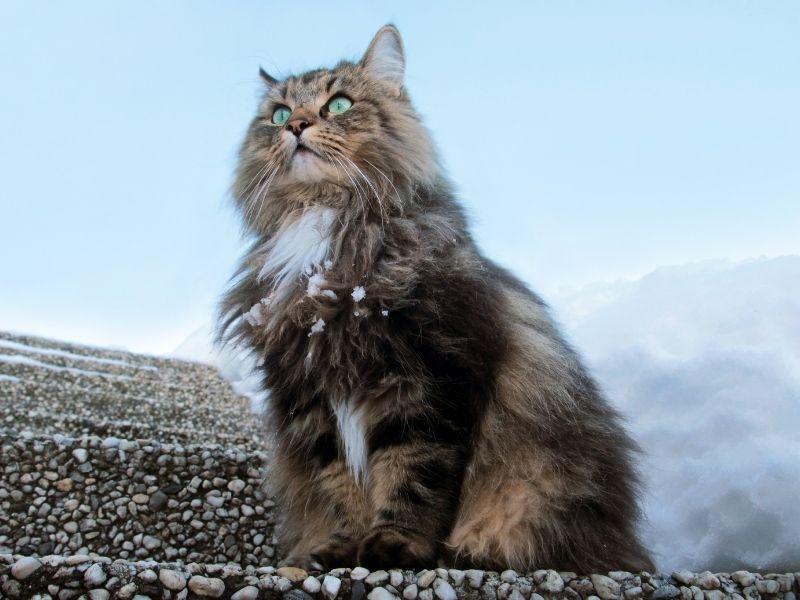
When discussing the physical characteristics of Norwegian Forest Cats, their imposing stature and striking appearance immediately come to mind. These cats are known for their robust, muscular bodies, which are a direct adaptation to the rigorous demands of surviving the Scandinavian wilderness. Their large, tufted paws act like snowshoes, providing the Norwegian Forest Cat with the ability to traverse snowy terrains with ease. This blend of power and agility is underscored by their long, bushy tail, which serves both as a counterbalance during agile maneuvers and a practical tool for warmth in cold weather.
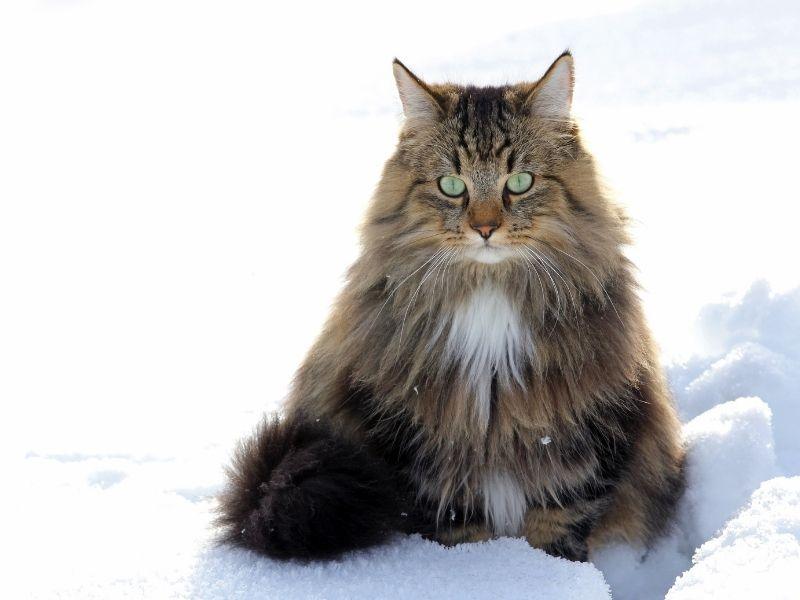
One of the most distinctive features of the Norwegian Forest Cat is its luxurious double coat. The thick, water-repellent layering is a remarkable adaptation that protects these forest cats from the chilling climate of their native habitat. The undercoat, dense and insulating, lies beneath a glossy topcoat, shedding water and keeping the cat dry and warm. Along with the ruff around their neck, often likened to a lion’s mane for its grandeur, these traits contribute to the breed’s iconic silhouette. The fur is not only functional but adds to their majestic appearance, further amplified by a variety of colors ranging from white and black to tabby and tortoiseshell, offering a glimpse into the genetic diversity of this resilient breed.
The eyes of the Norwegian Forest Cat, often a vibrant green or gold, are almond-shaped and set at a slight angle, giving them an expression that combines alert intelligence with a trace of wilderness mystery. Complementing this are their ears, which are usually adorned with lynx-like tufts that provide additional protection against harsh winds while heightening their captivating, wild expression. Together, these physical traits contribute to a seamless blend of form and function, reflecting both the Norwegian Forest Cat’s history and its place as a cherished pet today. Their imposing physical presence, coupled with an innate intelligence, makes them a fascinating subject for study and admiration, embodying the majestic spirit of Norway’s natural landscape.
Understanding the Lifespan of Norwegian Forest Cats
Norwegian Forest Cats, with their rich history and formidable lineage, possess a notable lifespan that intrigues cat enthusiasts and pet owners alike. As hearty, robust animals, these forest cats benefit from adaptations honed over centuries within their natural Scandinavian environments. Insights into their average lifespan offer a glimpse into their resilience and vitality, while exploring factors that affect their lifespan can illuminate steps to ensure a long, healthy life. Understanding these aspects not only enriches appreciation for this breed but fosters informed decisions for potential and current pet owners.
Average Lifespan of Forest Cats
The average lifespan of Norwegian Forest Cats typically spans between 14 and 16 years, making them one of the hardier domesticated cat breeds. Contributing to their longevity is their heritage as native forest hunters and survivors, qualities that have instilled a natural resilience in them. These cats have evolved to withstand harsh Norwegian winters, a testament to their robust constitution. In their natural habitat as forest cats, they have been subject to selection pressures that favor health and longevity, allowing them to live full and active lives, sometimes extending into their late teens. This longevity, while partly genetic, is also influenced by the care given by their human companions, which can profoundly impact how many years they thrive beyond their average expectation.
Their lifespan is generally reflective of several factors, including genetics, diet, and environment. Norwegian Forest Cats, known for their strong genetic lineage, often exhibit fewer hereditary health issues compared to other breeds. This robustness contributes significantly to their extended years. Furthermore, their diet plays an essential role; a diet rich in nutrients tailored for their unique needs supports their health and longevity. As obligate carnivores, forest cats thrive on high-protein diets that cater to their carnivorous nature, helping to maintain muscle mass and optimal body condition throughout their lives.
Stable and nurturing environments also enhance their longevity. These cats, with their thick coats and hearty nature, are well-suited to colder climates but thrive in any setting that provides mental stimulation and physical exercise. Providing toys and opportunities for climbing and exploration encourages an active lifestyle, which supports them living longer and healthier lives. Owners who understand these needs can significantly influence their pet’s lifespan beyond the breed’s average, fostering an environment where these cats can flourish through consistent care and attentiveness. Consequently, while the Norwegian Forest Cat’s lifespan is inherently impressive, its extension hinges largely upon the awareness and actions of its guardian.
Factors Affecting Norwegian Forest Cat Lifespan
Numerous factors influence the lifespan of Norwegian Forest Cats, and understanding them is crucial for those invested in the health and well-being of these magnificent animals. Firstly, genetic disposition plays a pivotal role. While Norwegian Forest Cats are generally robust, certain genetic conditions, such as hypertrophic cardiomyopathy and glycogen storage disease, can affect their lifespan negatively. Responsible breeding practices are vital to minimize these risks, ensuring healthier generations of forest cats that can live to their fullest potential. Selecting breeding pairs with careful consideration of their health backgrounds contributes significantly to reducing hereditary conditions in future litters.
Additionally, environmental factors profoundly impact the lifespan of Norwegian Forest Cats. These cats require environments that stimulate their natural instincts, spaces that offer vertical exploration and opportunities for climbing mimic their ancestral forest habitats. Such environments encourage physical activity and mental engagement, reducing the risk of obesity and related health issues, thus prolonging their life. On the flip side, urban environments with minimal engagement can lead to stress and sedentary lifestyles, which might affect their health adversely.
Nutritional needs are a prime factor impacting their lifespan. A well-balanced diet rich in proteins and essential nutrients tailored to their unique needs from kittenhood through senior years can help prevent many common health issues. Chronic conditions, such as obesity and kidney disease, often result from inadequate nutrition and can severely impact lifespan. Regular veterinary care also plays an indispensable role in detecting potential health issues early and maintaining overall health. Routine checkups allow for the monitoring of chronic conditions common to Norwegian Forest Cats, ensuring that any signs of disease or discomfort are addressed promptly.
Lastly, emotional health should not be underestimated in contributing to lifespan. Norwegian Forest Cats, despite their rugged ancestry, thrive on interaction and affection from their human companions. Stressful living conditions or lack of engagement can lead to anxiety or depression, subtle yet impactful factors decreasing longevity. Providing a harmonious environment where these cats feel secure and cherished helps in extending their years. In essence, a careful blend of genetic awareness, environmental enrichment, nutritional adequacy, and emotional support underpins the longevity of Norwegian Forest Cats, allowing them not only to survive but to thrive.
Health and Care Practices for Longevity
Ensuring a long and healthy life for Norwegian Forest Cats involves understanding their unique needs and tailoring care practices accordingly. These majestic cats benefit from targeted health practices that consider their storied ancestry and physical attributes. Effective diet, nutrition, and regular veterinary care are key components in managing the longevity of these cats. By addressing these aspects, owners can provide robust pet health advice that supports their forest cat’s vitality, maintaining a harmonious balance between their natural instincts and domestic environments.
Diet and Nutrition for Norwegian Forest Cats
The diet and nutrition of Norwegian Forest Cats are pivotal factors in promoting longevity and maintaining optimal health. These cats, with their ancestry rooted in Scandinavian forests, have nutritional requirements that reflect their heritage as natural hunters. A high-protein diet is essential for Norwegian Forest Cats, ensuring they receive the nutrients needed to maintain muscle mass and support their active lifestyles. Owners should focus on providing a diet that mimics what their ancestors might have consumed in the wild, which includes a variety of meats rich in taurine and omega-3 fatty acids. These components are critical not only for maintaining their luxurious coats but also for supporting cardiovascular health and cognitive function.
In addition to protein, it’s important for owners to include vitamins and minerals that support the cat’s overall health. Forest cats benefit from a balanced diet that includes calcium and phosphorus to maintain strong bones and teeth, essential from kittenhood through their senior years. Understanding the dietary needs of Norwegian Forest Cats helps mitigate the risk of health problems such as obesity and diabetes, both of which can shorten their lifespan without proper management. Owners should be mindful of portion controls and feeding schedules to prevent overeating and associated health issues.
Hydration is another crucial element, often overlooked, in the diet of Norwegian Forest Cats. Cats typically derive a substantial amount of their water intake from their food, thus wet food can be a beneficial inclusion in their diet. This practice aids in kidney function and reduces the risk of urinary tract infections, common conditions that can impact their health and longevity. In terms of diet-related advice, owners should also consider the quality of food, opting for premium brands that use wholesome ingredients free from artificial preservatives and fillers. This not only ensures the best nutrition but also aligns with sustainable pet care practices. In essence, by prioritizing a diet reflective of their ancestral needs and integrating best practices in pet health advice, owners can significantly contribute to the healthy, long life of their Norwegian Forest Cats.
Regular Veterinary Care for Forest Cats
Regular veterinary care is foundational in prolonging the life and enhancing the quality of life for Norwegian Forest Cats, acting as both a preventive measure and a diagnostic tool for potential health issues. Routine check-ups are critical for forest cats, allowing veterinarians to detect and treat ailments early, thus preventing them from escalating into serious conditions. Among the common health concerns for Norwegian Forest Cats are genetic conditions like hypertrophic cardiomyopathy, which can significantly impact lifespan if not monitored.
During veterinary visits, it’s crucial to discuss the cat’s diet and lifestyle with the veterinary team, providing a comprehensive view that allows for tailored advice and care strategies. Vaccinations, parasite control, and dental care form the bedrock of annual check-ups, ensuring that cats remain protected against preventable diseases and maintain oral health, a critical aspect often overlooked but essential in avoiding pain and systemic infections.
Veterinary advice shouldn’t just stop at medical care; behavioral assessments are equally important. Norwegian Forest Cats, known for their agility and intelligence, require mental stimulation to prevent stress-associated behaviors that could arise from monotony or inadequate environmental engagement. Veterinarians can offer enriching practices and mental engagement strategies, vital in forest cats who thrive on structured, stimulating environments that echo their natural habitat. It’s also beneficial to have a trusting relationship with a veterinarian familiar with the breed’s specific needs, as they can provide specialized advice tailored to Norwegian Forest Cats’ unique health and care practices. This includes understanding their predispositions and offering personalized health plans that promote longevity.
The importance of regular veterinary care underscores a broader health strategy, capturing a holistic view of pet health. By integrating regular medical check-ups with attention to diet, exercise, and psychiatric well-being, owners create an environment for their Norwegian Forest Cats that not only addresses immediate health concerns but fosters an overall thriving lifestyle. These practices enrich the life of their forest cats, echoing the balance of care and natural instinct that defines their special breed, ensuring that these majestic pets live healthy, fulfilled lives.
The Role of the Environment in Forest Cats’ Lives
Norwegian Forest Cats, with their rugged heritage and substantial presence, are deeply connected to their living environment, which plays a pivotal role in their overall well-being. This section explores how creating a suitable home can significantly impact their health and happiness. By understanding the harmony between their natural instincts and domestic settings, owners can enhance their pet’s quality of life. The environment for forest cats includes considerations like space for climbing and exploration, and emotional and physical health, highlighting the importance of nurturing their natural instincts within home environments.
Creating a Suitable Home for a Norwegian Forest Cat
Providing an ideal environment for a Norwegian Forest Cat requires careful planning and understanding of their unique needs. Known for their adaptability to harsh climates, these forest cats thrive best in any setting that mirrors the instincts they’ve honed over centuries in Scandinavian forests. A suitable home for a Norwegian Forest Cat involves facilitating an interactive environment that speaks to their natural proclivities for climbing, exploring, and observing. These cats possess a strong need for vertical spaces, mimicking the towering pines and rugged terrains of Norway they once roamed. Incorporating cat trees, shelves, and platforms not only caters to their climbing instincts but enhances their mental stimulation and physical well-being.
Given their history as natural hunters, these cats benefit from interactive toys and engaging playtime activities that echo their past role as agile hunters. Owners should provide toys that imitate prey and games that challenge their intelligence, encouraging exercise and mental engagement. This engagement is crucial because, despite their domestic setting, Norwegian Forest Cats harbor the confident spirit of a wild cat, requiring outlets for their energy and intellect.
Moreover, their distinctive water-repellent coats hint at another environmental aspect owners must consider: climate control within the home. Regular grooming is vital to keep their dense coats in top condition while ensuring the home environment is neither too humid nor too arid, as it could affect their coat health. Proper ventilation and humidity levels replicate their natural habitat, making them feel more at ease.
Emotional health is equally important for Norwegian Forest Cats. These pets thrive on interaction and companionship, necessitating a family setting where they feel valued and engaged. Offering a balance of pet-owner interaction and solitude when they wish to retreat reflects their independent yet affectionate nature. Social interactions with their human companions not only provide emotional support but also serve as a bonding activity that strengthens their relationship.
Lastly, attention to the small details within their habitat can make a significant difference: comfortable resting spots, access to outdoor spaces (when safe), and a rotating selection of toys can prevent boredom and promote happiness. By prioritizing these factors, owners ensure their Norwegian Forest Cats enjoy a life as fulfilled and vibrant as their historical lineage suggests, making the role of environment paramount in nurturing their spirit and health. A comprehensive approach to crafting a living space tailored for these cats upholds their heritage while ensuring they thrive as cherished pets.
In caring for a Norwegian Forest Cat, prospective owners should prioritize regular veterinary check-ups and providing a balanced diet to promote longevity. These majestic cats, characterized by their robust health, can live 12 to 16 years with appropriate care. Monitoring their weight and accommodating their need for physical activity contribute to their well-being. Additionally, maintaining an enriched environment with opportunities for mental stimulation ensures they thrive. By understanding these needs, owners can enjoy many years of companionship with these delightful felines, known for their gentle yet adventurous nature.