

Calico cats are known for their colorful coats and unique personalities. While they aren’t a separate breed, their tri-color pattern appears in many types of cats.
Calicos are often lively and full of character, which makes them favorites among cat lovers. Their history and genetics are just as interesting as their looks.
Learning about their traits, background, and care helps owners better understand and care for these special cats. Discover what makes calico cats so fascinating.
Calico Cat Characteristics
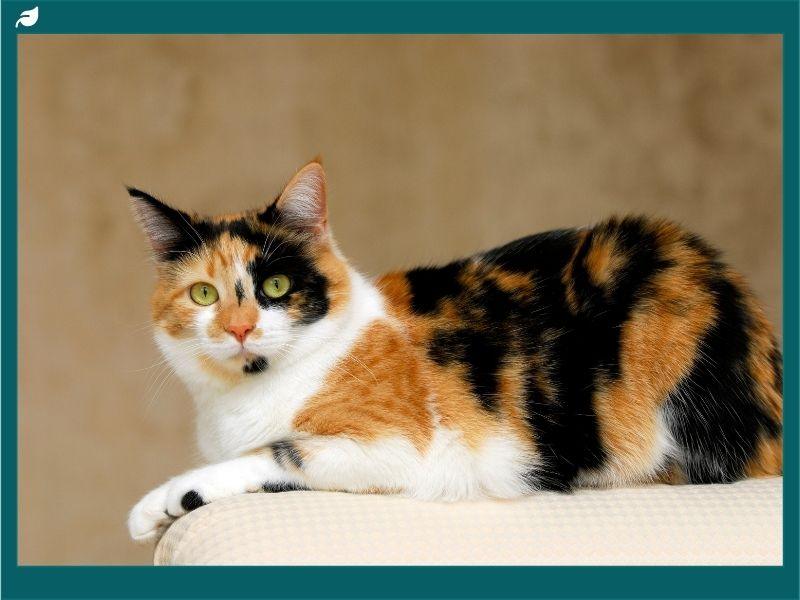
Calico cats are a stunning spectacle in the feline world, renowned for their unique calico pattern and charming personalities. As a distinct cat breed characterized by their tricolor coats, calico cats boast a mix of black, orange, and white that is truly one-of-a-kind.
These beautiful felines aren’t just defined by their vivid color; their temperaments are equally captivating. Underneath their calico pattern lies a personality that many cat enthusiasts describe as vibrant and energetic.
Let’s delve into the notable aspects of calico cats, exploring both their unique color patterns and their intriguing personality traits.
Unique Color Patterns of Calico Cats
Calico cats are known for their mix of white, orange, and black fur, which makes each one look different from the next. This color pattern isn’t limited to a single breed and can appear in many types of cats.
The unique look comes from a genetic process called X-chromosome inactivation, where different cells in the cat’s body decide which color to show. This is why no two calico cats have the same pattern.
Interestingly, the calico coloration is almost exclusively found in female cats due to the chromosomal setups. Male calicos are extremely rare, occurring only in specific genetic circumstances such as Klinefelter syndrome, where an extra X chromosome is present.
This rarity adds to the mythical status of male calico cats and further deepens the intrigue of calico genetics. Although the particular pattern may vary, ranging from well-defined blocks to a more mixed, random spread, the tri-color combination remains a distinct hallmark, contributing to the overall charm and visual appeal of calico cats.
Every calico cat has a one-of-a-kind coat, with its own mix of black, orange, and white. These patterns make calicos easy to spot and loved by cat fans everywhere.
In many cultures, their colorful patches are seen as symbols of good luck, adding to their special place in people’s hearts. Calico cats are more than just pets—they’re living works of art.
Common Personality Traits of Calico Cats
Calico cats are often celebrated not just for their beautiful coats but for their lively and distinct personalities. While it’s important to note that calico is not a breed of its own but rather a color pattern found in various breeds, there are some personality traits commonly associated with calicos.
These characteristics often include a robust, spirited temperament and considerable independence. Calico cats are frequently described as having a sassy, spunky, and feisty demeanor, capturing the hearts of many with their vibrant behavior.
Calicos are known for their strong-willed nature, and many owners relish the distinct characters these cats bring to their homes. Their assertive personalities can often translate to a degree of temperament described as “tortitude” in cat owner circles, a term typically used for tortoiseshells but appropriately fitting for calicos due to the shared trait of strikingly bold color patterns.
This vivaciousness is paired with an affectionate side that becomes apparent once trust is established, leading to deep and rewarding emotional bonds between a calico and their human companions.
Beyond being charming and affectionate, calico cats are famous for their curiosity and intelligence. They are known to engage actively with their surroundings, exploring every nook and cranny of their environment with an adventurous spirit.
This intelligence is coupled with a playful nature, which can be both entertaining and endearing for the families they belong to. Calicos often enjoy interactive play and problem-solving activities, which challenge their agile minds and keep them engaged.
Despite their independent streak, calico cats thrive on social interaction, displaying a sophisticated blend of playfulness and affection that speaks to their dynamic nature.
Calico cats are full of life and personality, just like their colorful coats suggest. Their unique traits make them stand out and bring joy to any home. Having a calico cat means having a lively and loving companion who is truly one of a kind. Understandably, calicos are getting increasingly popular for ESA animal registration these days. Having a calico cat means having a lively and loving companion who is truly one of a kind.
History of the Calico Cat
Calico cats have a long and interesting history, shaped by both genetics and culture. Their tri-color coats have fascinated people around the world for generations.
From legends to scientific discoveries, calico cats are seen as symbols of beauty and uniqueness, showing off nature’s creativity.
The Origin of Calico Cats
The origin of calico cats can be traced back to a genetic trait that creates their distinct tricolor patterns, a mosaic formed by the interplay of genetics rather than lineage. While calico cats aren’t a recognized breed, the striking combination of patches of black, orange, and white is a unique manifestation found within certain cat breeds worldwide.
Calico cats owe their existence to a fascinating genetic phenomenon termed X-chromosome inactivation, which determines their striking coloration. This intricate process occurs because female mammals, including cats, possess two X chromosomes; one is randomly inactivated during development.
This leads to the barrage of calico colors seen in these felines, contributing to their unique appearances.
The specific color patterns of calico cats are decided by the alleles present on these X chromosomes, where one might carry the code for orange and another for black, resulting in the kaleidoscopic blend they sport. This genetic marvel has captivated generations of enthusiasts, offering a living canvas painted with vibrant hues.
One intriguing aspect of their origin is the rarity of male calico cats. This elusive occurrence is often due to genetic anomalies like Klinefelter syndrome, in which the male cat possesses an extra X chromosome, allowing him to exhibit the calico pattern.
This engaging genetic quirk has sparked interest and awe, reinforcing the appeal of calico cats as one of nature’s notable curiosities. Despite not being bound to a specific breeding strategy, the calico cat enjoys a revered status, famously represented in the form of the Maneki-neko, or “beckoning cat,” a common talisman in Japanese businesses and homes believed to bring good luck and prosperity.
This unique genetic trait has made calico cats especially interesting to many people. Even though they aren’t a specific breed, their special coloring has made them popular in different cultures. Their story shows how genetics can create surprising and beautiful animals, making calico cats truly stand out.
Traditionally, the white, orange, and black markings of the calico are seen as particularly auspicious, embodying a blend of purity, positivity, and strength. Such depictions have entrenched the calico in the cultural fabric of Japan, revered as a spiritual companion and protector.
Meanwhile, in the United States, calico cats hold a place of importance as the state’s official cat of Maryland since 2001. The choice reflects the natural color likeness between the calico’s coat and the Baltimore Oriole, the state bird.
It also resembles the Baltimore Checkerspot Butterfly, the state insect. This decision marks not only the calico’s biological uniqueness but its emblematic connection to local culture and wildlife.
It celebrates the creation of a harmonious identity shared with regional fauna.
Calico cats are also seen as cultural touchstones in other parts of the world. Across European folklore, they are revered as symbols of good fortune.
Their unique genetic make-up and distinctive appearance enhanced their mythos significantly. In Celtic cultures, calico cats, sometimes called “money cats,” are endowed with mythical powers capable of bringing good luck to their owners.
This belief continues to capture the imagination and affection of countless enthusiasts.
The presence of calico cats in various cultural narratives highlights the universal allure and significance attached to these captivating creatures. Their iconic tricolored appearance is a bridge across different societies, weaving scientific curiosity with magical storytelling that transcends borders.
This cultural celebration underscores the intricate connection between humans and calicos, a bond forged over centuries that continues to inspire admiration and cultural narratives rich with meaning and wonder.

Caring for Your Calico Cat
Calico cats, with their striking patterns and spirited personalities, require thoughtful care to thrive. This care ensures they remain healthy, happy, and the vibrant companions we’re so fond of.
From essential care tips tailored to their unique needs to understanding the best dietary practices, providing a holistic nurturing environment is key. We’ll explore various aspects of calico cat care, focusing on practical advice and insights that enhance their well-being, catering to their physical health and psychological enrichment.
Essential Care Tips for Calico Cats
Ensuring your calico cat stays in peak health involves more than just admiring their beautiful coats. As with any pet, calico cats have specific needs that must be met to promote optimal health.
Regular veterinary check-ups are critical to preventing health issues and managing any existing conditions. Calico cats are prone to common feline ailments such as urinary tract infections and obesity, making routine vet visits essential.
Trained professionals can provide necessary vaccinations and identify potential health concerns early on.
Creating a stimulating environment is crucial to address the behavioral needs of calico cats. These cats are known for their vibrant personalities, often expressing themselves through play.
Providing toys that challenge their intelligence, such as puzzle feeders or interactive laser toys, can help keep them mentally and physically stimulated. Additionally, investing in scratching posts and climbing trees can offer much-needed physical activity, preventing the development of behavioral issues.
Enrichment activities that cater to their curious nature are beneficial for their overall well-being.
Grooming is another pivotal aspect of caring for your calico cat. While their grooming needs aren’t as intensive as some long-haired breeds, regular brushing can help manage shedding and reduce hairballs.
Dental hygiene should not be overlooked, with toothbrushing and dental treats being effective preventive measures against dental disease. Regular grooming routines can strengthen the bond between you and your calico, making the process a positive experience.
Keeping your home safe is important for calico cats, who love to explore. Make sure electrical cords are out of reach, remove any toxic plants, and secure windows and balconies to prevent accidents. Taking these steps helps your calico cat stay safe while they satisfy their curiosity.
Diet and Nutrition for Calico Cats
The dietary requirements of calico cats are integral to maintaining their overall health and well-being. Given that calico refers to a coat pattern rather than a specific breed, nutritional needs can vary.
However, ensuring a balanced diet rich in essential nutrients is crucial for their health. High-quality cat food brands that provide a comprehensive mix of proteins, fats, and carbohydrates are recommended to support their active lifestyles.
Proteins are particularly important in the diet of calico cats, aiding in the upkeep of their muscle mass and energy levels. Look for cat food that lists real meat as the primary ingredient, ensuring your calico receives the necessary amino acids for their health.
Fats, too, play a fundamental role by contributing to a shiny coat and fueled energy, but it is essential to moderate fat intake to prevent obesity, a common concern in calicos.
When considering cat food options, it’s crucial to be mindful of any potential allergens. Some calico cats may develop sensitivities to certain ingredients, which can affect their coat or digestion.
Consultation with a veterinarian can help tailor a diet that suits your calico’s specific needs, taking into account any unique health considerations.
Treats can also form a part of a calico cat’s diet but should be given in moderation to avoid weight gain. Opt for healthy treats that offer nutritional benefits, such as those fortified with vitamins or designed to promote dental health.
Water intake is another component that shouldn’t be neglected; always ensure your calico has access to fresh, clean water to prevent dehydration.
Keep an eye on your calico cat’s eating habits, as changes in appetite or weight can be signs of health problems. Writing down what they eat can help you spot any issues early. By watching their diet and making changes when needed, you help your cat stay healthy for years to come.
The Genetics of Calico Cats
Calico cats are a fascinating blend of coloration and genetics, showcasing a tapestry of orange, black, and white hues that result from unique genetic mechanisms. Unlike specific breeds, the calico pattern is influenced by X-chromosome inactivation, a phenomenon that plays a pivotal role in determining their characteristic tri-color coats.
This genetic foundation not only enriches the allure of calico cats but also introduces intriguing variability, such as the rarity of male calicos. We’ll explore what makes a cat calico and delve into why male calico cats are exceedingly uncommon, shedding light on the genetics behind these captivating felines.
What Makes a Cat Calico?
The world of calico cats is deeply intertwined with the intricacies of feline genetics. To understand what makes a cat calico, one must first explore the genetic foundation underlying their unique coloration.
Calico patterns arise due to the interaction of chromosomal components that include two X chromosomes, which is why these patterns almost exclusively appear in female cats. The presence of both orange and black alleles on the X chromosomes, combined with the white spotting gene, creates the distinct tricolor look.
This phenomenon stems from X-chromosome inactivation, wherein one of the two X chromosomes in every cell is randomly inactivated, leading to a mosaic of black or orange fur patches, set against a backdrop of white. Called lyonization, this fascinating process ensures no two calico cats share the same pattern.
Interestingly, while calico coloration isn’t tied to any specific cat breed, it can manifest in a variety of breeds, from Manx to American Shorthair, making it a widespread genetic expression. The presence of the orange coloration, known as pheomelanin, further contributes to this kaleidoscope of color, providing a vibrant contrast to the darker eumelanin-based black patches.
This genetic combination doesn’t just result in visually striking appearances but also ties to the temperaments of calico cats, which many owners describe as spirited and assertive, a trait often linked to bold coloration patterns.
Moreover, the allure of calico cats goes beyond their aesthetic appeal, as their genetic makeup holds cultural significance. In various cultures, calico cats are considered harbingers of luck and fortune, a belief ascribed to their rarity and vivid tricolor pattern.
For instance, in Japan, they are embodied in the Maneki-neko figurine, which symbolizes good fortune. Their genetic fate being a chance of nature makes calico cats living symbols of beauty and mystery, delighting cat lovers with their unpredictable and captivating charm.
As such, calico cats are not merely defined by their stunning coats but by the complex genetic ballet that results in each cat’s unique display of colors and patterns, furthering their enchantment as living works of art.
To further appreciate the fascinating world of calico cats, consider these intriguing facts that highlight their diverse attributes and cultural symbolism:
- Almost all calico cats are female due to their XX chromosome composition.
- Male calico cats are extremely rare, occurring once in every 3,000 calico births.
- Calico cats are featured in folklore as symbols of luck and prosperity.
- Their genetic pattern makes every calico cat’s coat distinctly unique.
- They can be a mix across various breeds, not limited to just one type.
These captivating details underscore the mystique and charm that calico cats hold in both cultural and scientific realms.
The Rarity of Male Calico Cats
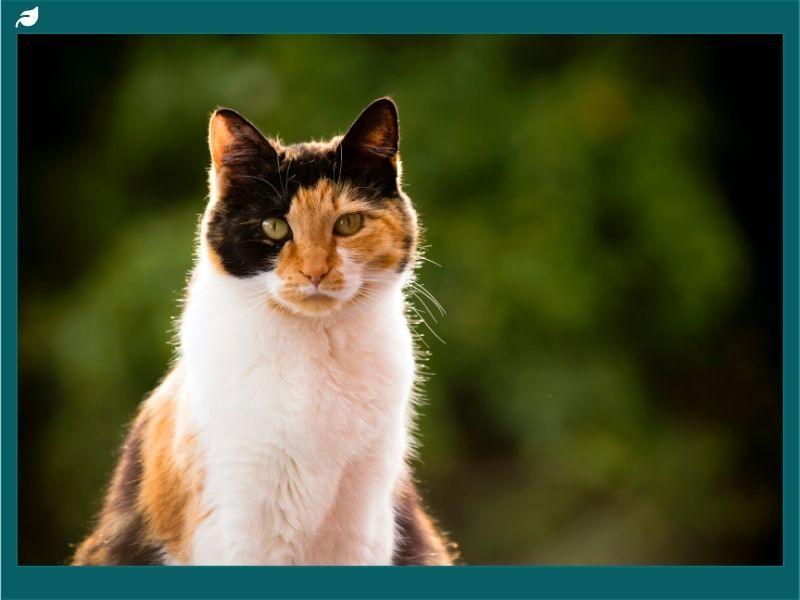
The genetic rarity of male calico cats adds an extra layer of intrigue to the understanding of calico patterns. Male calico cats are phenomenally rare, representing an estimated one in every 3,000 calicos.
This rarity stems from the fact that most calico cats are female due to the requirement of two X chromosomes to express the calico pattern. Male cats typically have one X and one Y chromosome and thus do not display the tri-color pattern.
However, in rare cases, a genetic anomaly occurs, resulting in a male calico cat.
This anomaly is known as Klinefelter syndrome, wherein a male cat has an extra X chromosome, resulting in an XXY chromosomal configuration. This extra X chromosome enables the calico pattern to emerge, allowing that highly unusual display of black, white, and orange.
While visually striking, male calicos with such a chromosomal arrangement often face additional health issues linked to the syndrome, such as reduced fertility or sterility, and potential vulnerabilities to other health conditions.
The allure surrounding male calico cats extends beyond their genetic peculiarities and captivates enthusiasts due to their extraordinary rarity. This rarity has endowed male calicos with a near-mythical status among cat aficionados, and when one surfaces, it garners significant interest and fascination.
Due to their unique genetic profile, owning a male calico can be considered a stroke of extraordinary circumstance and good fortune, tying into the broader cultural narratives that enshrine calicos as symbols of luck and prosperity.
Within the global tapestry of cat breeds and patterns, male calico cats stand as a testament to the complexities and wonders of feline genetics. Their existence challenges the norms of genetic predictability, showcasing how nature’s puzzle pieces can sometimes fall in surprising formations.
For those fortunate enough to encounter a male calico, this fascinating blend of color and rarity provides a special glimpse into the marvels of genetic diversity and chance, ensuring that male calicos hold a coveted spot in the hearts of cat lovers and geneticists alike.
| Key Genetic Components | Role in Calico Pattern | Rarity Factors | Cultural Significance |
| X Chromosome Genes | Determine color variations | Male calicos are extremely rare due to XXY genetic makeup | Seen as symbols of good fortune in various cultures |
| X Inactivation | Leads to patchwork coloration | Naturally occurs more in females (XX) | Iconic in folklore and art |
| Orange and Black Pigment Genes | Directly contribute to color patterns | Specific alleles create distinct calico appearances | Fetishized by collectors for their unique patterns |
This table emphasizes the genetic intricacies and cultural narratives that make calico cats a remarkable subject of study.
For centuries, people have loved calico cats for their colorful coats and unique genetics. Their special traits and friendly personalities make them wonderful pets. Whether you want to adopt a calico or just learn more, knowing about their care and cultural meaning helps you appreciate them even more. Enjoy the charm and beauty that calico cats bring to homes around the world.