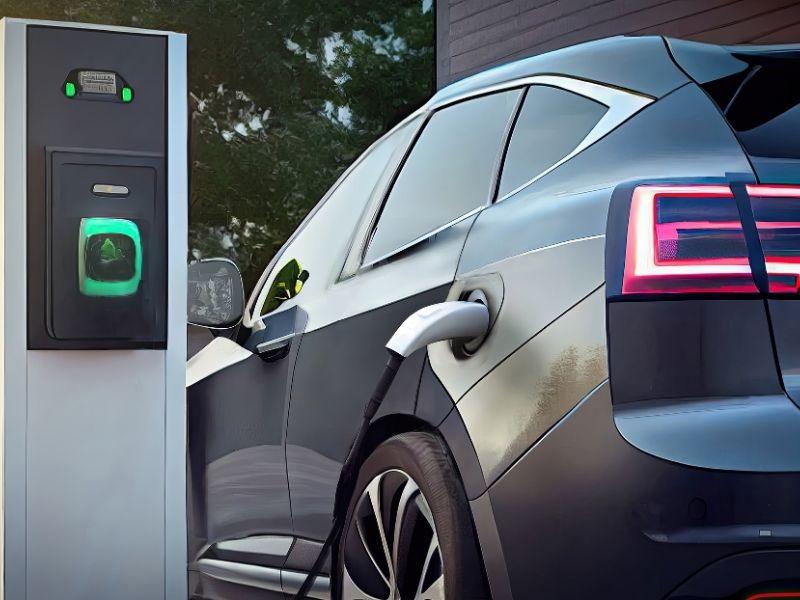
With growing global awareness of environmental sustainability, hybrid cars have attracted considerable attention due to their capacity to reduce carbon emissions and improve fuel efficiency. By integrating electric and gasoline engines, hybrids present a viable alternative to traditional vehicles.
These vehicles offer enhanced fuel economy, lower maintenance costs, and diminished environmental impact, appealing to environmentally conscious consumers. Hybrid vehicles deliver a smoother and more economical driving experience in both urban and long-distance contexts, while supporting efforts toward environmental preservation.

Understanding the Advantages of Hybrid Cars
Hybrid cars signify a significant transition toward sustainable transportation, offering a range of benefits that attract contemporary drivers. By combining conventional petrol engines with electric motors, these vehicles achieve notable fuel economy, reduced emissions, and increased efficiency. The growing popularity of hybrid models, including plug-in and self-charging variants, reflects their ability to balance performance with environmental responsibility. Examining the specific advantages of hybrid cars highlights their distinct position in the current automotive market.
Benefits of Choosing a Hybrid Car
Opting for a hybrid car comes with a multitude of advantages. Selecting a hybrid car offers numerous benefits. Primarily, hybrids deliver substantial fuel savings by utilizing both a petrol engine and an electric motor, resulting in improved fuel economy.
In urban driving scenarios, hybrids can operate solely on electric power, conserving fuel and reducing long-term costs. This dual-power system enhances efficiency, particularly in traffic, where reliance on the electric motor is maximized.
Beyond fuel economy, hybrids provide versatility through electric motor integration, resulting in a quieter and smoother driving experience. The electric motor’s assistance during acceleration reduces engine wear, leading to lower maintenance costs and extended vehicle lifespan.
Technological advancements further distinguish hybrids; plug-in models can be charged externally for increased electric range, while self-charging hybrids use regenerative braking to store energy, enhancing efficiency and self-sufficiency. These innovations position hybrids as a transitional technology toward sustainable transportation, exemplifying manufacturers’ commitment to environmentally responsible solutions.
Hybrids articulate a clear message: reducing emissions is achievable without sacrificing the comfort or functionality traditional vehicles offer. Thanks to the seamless blend of petrol and electric motor technology, hybrid cars typically emit fewer pollutants compared to conventional petrol vehicles.
This is largely due to the electric motor, which can propel the car at low speeds or supplement the engine, thus significantly curbing emissions during city driving. By minimizing reliance on fossil fuels and prioritizing electric drive modes, hybrids achieve lower emissions, positioning them as a critical player in the fight against air pollution.
The efficiency of hybrids speaks volumes in terms of sustainability. The hybrid engine system is engineered to optimize energy use, only engaging the petrol engine when needed for acceleration or at higher speeds. This thoughtful design not only boosts fuel economy but also drastically cuts CO2 emissions.
Innovation within the hybrid segment further underscores their commitment to lowering emissions. Through regenerative braking, hybrids capture energy that would otherwise be lost, replenishing the battery without external effort. Leading brands are refining technologies for improved fuel efficiency and emissions control, inspiring future automotive designs.
Governments worldwide recognize the ecological benefits of hybrids, offering incentives to encourage consumer adoption. By investing in a hybrid car, drivers embrace transportation that supports sustainability while maintaining practicality. As these vehicles evolve, lower emissions and enhanced fuel efficiency place hybrids at the forefront of a cleaner automotive era.
The Role of the Electric Motor in Hybrid Vehicles
The electric motor is a cornerstone of hybrid vehicles, offering remarkable contributions to fuel efficiency and driving experience. By working alongside traditional engines, electric motors enhance the capabilities of hybrid cars, allowing them to offer significant fuel savings and lower emissions.
This dual-system synergy not only conserves fuel but also provides a smoother, quieter drive. As we explore the specifics, we uncover how these motors enhance fuel economy and contribute to overall fuel savings, underscoring the benefits of hybrids in the modern automotive landscape.
How Electric Motors Enhance Fuel Efficiency
The electric motor is fundamental to hybrid vehicles, significantly improving both fuel efficiency and driving experience. Operating in conjunction with traditional engines, electric motors enable hybrids to achieve notable fuel savings and reduced emissions.
This dual-system approach conserves fuel and delivers a smoother, quieter ride. Examining the functions of electric motors reveals their critical role in enhancing fuel economy and supporting the broader advantages of hybrid technology.
Electric motors store energy generated from regenerative braking, a process that converts kinetic energy—typically lost during braking—into electricity to recharge the battery. This minimizes unnecessary energy wastage and provides consistent electric support.
Through precise use of electric propulsion, hybrids conserve fuel and offer responsive driving dynamics. By reducing the workload on the petrol engine, the electric motor contributes to lower emissions, making hybrids preferable for eco-conscious consumers.
As manufacturers refine hybrid systems, these vehicles are poised to lead efficiency advancements in transportation.
The Contribution to Fuel Savings
Electric motors are essential to the fuel-saving capabilities of hybrid vehicles. By sharing propulsion duties with petrol engines, they enable hybrids to alternate between power sources based on driving conditions, delivering noticeable fuel savings.
In urban environments, electric motors often dominate propulsion, reducing petrol use and emissions. Regenerative braking enhances efficiency by converting kinetic energy into electricity.
Electric-assisted starts reduce petrol consumption during high-demand acceleration. These features establish hybrids as efficient, environmentally responsible vehicles.
Additional ways hybrids contribute to fuel efficiency:
- Regenerative braking recovers energy normally lost during deceleration.
- Electric-assisted starts limit fuel-intensive acceleration.
- Automatic switching selects the most efficient power source.
- High-efficiency engines optimize petrol use.
- Energy management systems coordinate electricity and petrol seamlessly.
- Reduced engine idle time lowers fuel waste.
- Lightweight materials improve overall vehicle efficiency.
Exploring Self-Charging Hybrid Technology
Self-charging hybrid technology blends petrol engines with electric motors, creating a highly efficient driving experience. These hybrids charge their batteries through regenerative braking and engine activity, eliminating the need for external charging.
By capturing kinetic energy that would otherwise be lost, self-charging hybrids maximize fuel economy and reduce emissions. This technology appeals to drivers seeking efficiency without the need for plugging in.
Operational Mechanism of Self-Charging Hybrids
Self-charging hybrids integrate petrol engines with electric motors to optimize performance and efficiency. The system manages energy use by switching between engine and motor based on speed and driving load.
During low-speed or idle periods, the electric motor powers the vehicle, conserving fuel. At higher speeds or during acceleration, the petrol engine contributes more power.
A major highlight is regenerative braking, which converts kinetic energy to electricity during deceleration, charging the battery and reducing fuel use. This enhances energy efficiency and lowers emissions.
Maintenance is often simpler with self-charging hybrids due to the shared workload between engine and motor, leading to less component stress. Advanced control units distribute energy intelligently, improving overall efficiency.
Key benefits of self-charging hybrids:
- Regenerative braking maximizes energy recovery.
- Dual-motor systems reduce component wear.
- Smooth transitions between power sources enhance performance.
- Lower emissions support cleaner air.
- Independence from external chargers offers convenience.
- Reduced maintenance needs lower long-term costs.
- Intelligent energy distribution boosts efficiency.
Conclusion: Are Hybrid Electric Cars the Future?
The development of hybrid cars marks a transformative period in the automotive industry, defined by the integration of electric motors with conventional petrol engines. Innovations in plug-in, self-charging, and full hybrid vehicles continue to improve efficiency and reduce emissions.
Hybrid cars address rising fuel costs and environmental concerns effectively. By blending electric power with combustion engines, hybrids reduce fossil fuel dependency and lower emissions—critical in global sustainability efforts.
Regenerative braking enhances energy efficiency, while plug-in hybrids extend electric-only driving range. These advancements push hybrid technology closer to long-term environmental goals.
Financially, hybrids offer long-term savings through fuel efficiency and reduced maintenance. Government incentives further enhance their cost-effectiveness.
As technology advances, hybrids are expected to play a pivotal role in transitioning toward a greener automotive future. Their balance of performance, sustainability, and practicality makes them an excellent choice for modern drivers.
Hybrid vehicles offer a compelling combination of efficiency, reduced emissions, and sensible long-term value. For eco-conscious consumers seeking cost-effective and environmentally responsible transportation, hybrids stand out as a smart and forward-looking investment.