Australia’s construction sector is at a turning point. With climate pressures intensifying and demand for housing and infrastructure growing, companies across the country are rethinking the way they design, source, and deliver projects. Sustainable construction is no longer an optional label; it’s becoming the standard.

From modular homes to mass timber skyscrapers, the shift toward greener building is reshaping how Australians will live for decades to come. This exploration looks at some of the companies leading that transformation, beginning with Wide Span Homes and expanding to other innovators driving sustainability nationwide.
Wide Span Homes: Steel Solutions For Sustainable Living
Kit homes and steel-based buildings that prioritize resilience, affordability, and environmental responsibility made by Wide Span Homes have carved a niche in the Australian housing market. Using TRUECORE® steel, their frames are termite-proof, recyclable, and designed for longevity—factors that significantly reduce the lifecycle footprint of a home. Unlike traditional timber, which can be vulnerable to pests and warping, steel ensures consistent quality and structural reliability.
What makes Wide Span Homes particularly relevant in sustainability discussions is their approach to design flexibility. By providing kit homes, the company enables streamlined logistics and minimizes excess material use, which directly reduces waste during construction. Their emphasis on energy-efficient layouts ensures that homeowners benefit from lower running costs while reducing emissions over time. Additionally, the business highlights the importance of generational responsibility, emphasizing that choices made today shape the environmental inheritance of tomorrow. This philosophy positions Wide Span Homes as more than a builder—they’re advocates for environmentally conscious living, integrated into the practicalities of the Australian climate.
Green Homes Australia: Recognized Global Leaders
Few companies can claim the accolades that Green Homes Australia has amassed. Known internationally as the “world’s largest and most awarded green builder,” the firm has extended its influence beyond Australian borders into the USA and New Zealand. At the core of their success is an unwavering commitment to certified sustainability standards. Homes are built to maximize energy efficiency, water conservation, and healthy indoor environments, ensuring not just greener construction, but greener lifestyles for residents.
A defining feature of Green Homes Australia is their training and accreditation programs. Rather than limiting sustainable knowledge to internal staff, the company actively trains builders, creating a ripple effect that elevates the entire industry. Their model demonstrates that sustainable construction doesn’t need to be niche—it can be mainstream, replicable, and scalable. The result is a portfolio of homes that consistently outperform traditional builds in both comfort and environmental impact, earning them widespread recognition.
Modscape: Modular Precision With Minimal Waste
Modscape has redefined what prefabricated construction means in Australia. Their modular homes are produced in a controlled factory environment, ensuring precision and reducing errors that often lead to waste on traditional building sites. More than 90% of their manufacturing by-products are recycled, reflecting a company-wide drive toward zero waste.
Sustainability is embedded not just in their processes but also in their design philosophy. Each Modscape home incorporates passive solar principles, high-performance glazing, and advanced insulation to minimize energy use. This holistic approach addresses both the embodied carbon of construction and the operational carbon of everyday living. By combining architecture, engineering, and environmental science under one roof, Modscape delivers homes that are as efficient as they are aesthetically striking—a balance that increasingly appeals to eco-conscious clients.
Ecoliv: Pioneering Off-Grid Modular Living
Ecoliv operates from Victoria’s Bass Coast, where they design and build prefabricated modular homes that can function entirely off-grid. Their EcoHub demonstrates what sustainable living looks like in practice, featuring renewable energy integration, rainwater harvesting, and waste recycling systems.
Each home is prefabricated in a controlled environment before being transported and assembled on-site. This method not only reduces environmental disturbance but also significantly shortens construction timelines. What sets Ecoliv apart is their ability to make sustainable living accessible in remote areas, offering residents the independence of energy self-sufficiency without compromising on comfort or style. For regions prone to bushfires or environmental stress, these off-grid solutions provide both resilience and ecological harmony.
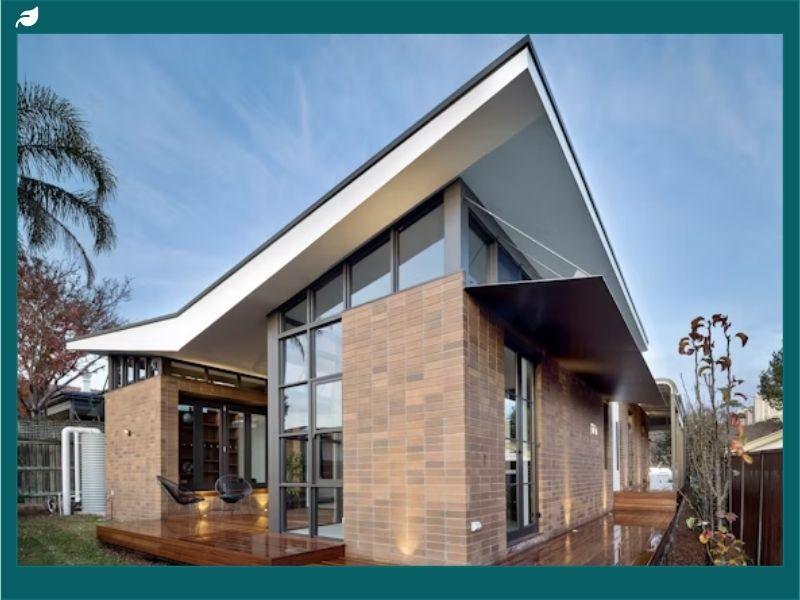
Greenspan Buildings: Timber-Focused Modular Solutions
Since 1976, Greenspan Buildings has been combining modular construction techniques with a strong focus on sustainable timber use. Their “PreCrafted” system minimizes onsite disruption, reduces waste, and enables precise quality control. Timber, sourced responsibly, plays a central role in their builds, offering a renewable and low-carbon alternative to traditional concrete-heavy construction.
The company emphasizes collaboration in design, working closely with clients to align lifestyle needs with environmental goals. By optimizing resource efficiency and integrating eco-friendly features, Greenspan demonstrates how tradition and innovation can intersect. Their projects showcase how timber, when managed correctly, remains one of the most versatile and sustainable building materials available to the industry.
Breathe: Designing With People And Planet In Mind
Breathe, an architectural practice, has become one of the most awarded sustainability-focused firms in Australia. Rather than constructing homes directly, they specialize in creating architectural solutions that harmonize with local communities and ecosystems. Their projects prioritize passive ventilation, natural light, renewable energy integration, and low-impact materials.
What differentiates Breathe is their role in shaping urban sustainability. By influencing city planning and building design, they magnify their impact beyond individual projects. Their philosophy—designing spaces that serve people while regenerating the planet—embodies the next frontier of sustainable construction. Their collaborations with developers and councils show how architectural thinking can elevate sustainability across the built environment.
Luyten 3D: Printing A Sustainable Future
Luyten 3D has brought a technological revolution to Australian construction. With the development of the Platypus, Australia’s first mobile robotic gantry 3D concrete printer, they constructed the first building-code-compliant 3D-printed home in the Southern Hemisphere. This approach reduces construction time, labor requirements, and material wastage dramatically.
The environmental benefit lies in precision. By printing exactly the amount of material needed, waste is nearly eliminated. The method also enables new forms of low-carbon materials to be incorporated, paving the way for sustainable alternatives to traditional cement mixes. For a country grappling with housing shortages and the need to decarbonize, Luyten 3D offers a glimpse into a future where efficiency and sustainability converge seamlessly.

Endnote
Australia’s construction industry is proving that sustainability can drive innovation rather than limit it. From Wide Span Homes’ durable steel kits to Green Homes Australia’s certified builds, Modscape’s modular efficiency, and Ecoliv’s off-grid solutions, companies are pioneering approaches that balance environmental care with modern living needs.
Timber specialists like Greenspan, architectural leaders such as Breathe, and trailblazers like Luyten 3D highlight the breadth of strategies shaping greener communities. Together, these efforts signal that sustainable construction is not a niche experiment but the foundation of Australia’s future – resilient, efficient, and designed for generations to thrive.