The Labour government has made clear its ambition to build 1.5 million houses before the end of the current parliament. At the same time, it wants to ensure that these houses support its broader objectives when it comes to sustainability and green energy.
To this end, UK housing policy is being shaped to ensure that the homes being built are as sustainable and efficient as possible. This is affecting everything from the materials used in the construction of modern homes to their internal layouts.
Policy Framework: The Big Picture for Sustainable Housing
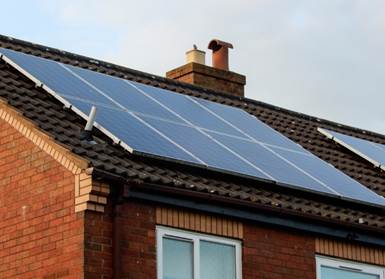
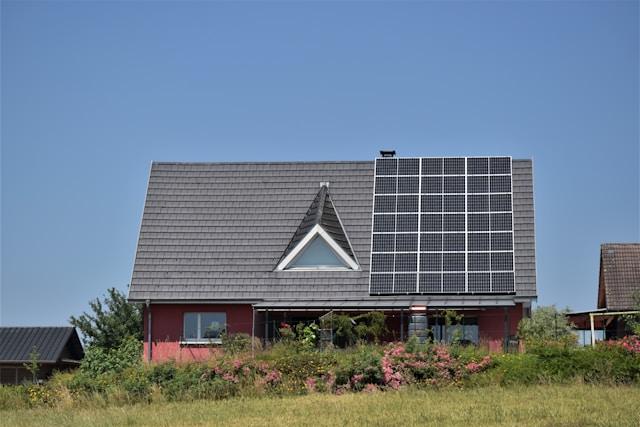
The major policy change as far as housing is concerned is the Future Homes Standard, which, among other things, will insist that all new homes be fitted with solar panels and heat pumps. This will help to make these devices the standard for the industry and, according to the Energy Secretary Ed Miliband, represent ‘common sense’.
Overall, the changes will amount to a carbon saving of around 75-80%, compared with current regulations.
In the meantime, there have been interim changes to parts F and L of the building regulations in place since 2022. These have helped to slash the emissions by 31% in residential properties.
The precise shape of the changes is not yet public, and so developers are not yet making moves to adopt them in their entirety. However, since the direction of travel is fairly obvious, it’s fair to say that many are introducing the headline changes, like solar panels and the storage appliances necessary to make them work.
What the New Builds Must Deliver: From Fabric to Features
There are a number of ways in which new homes might make themselves more energy-efficient. Most fundamentally, they are designed to be ‘air-tight’. This means much greater insulation performance, without the danger of trapped moisture, which can be so problematic in older homes retrofitted with modern insulation.
The performance of specific appliances and features can make a big difference, too. For example, you might consider the impact made by the kinds of high-performance windows and uPVC front doors mandated by the policy changes.
Impacts & Challenges: What It Means for Developers, Buyers and the Housing Market
Conforming to these changes will mean that developers face higher upfront costs. However, these may be offset in the long term by the energy savings that things like insulation and heat pumps make possible. Homeowners, at the same time, might enjoy homes that are cheaper to run, and more comfortable to live in.
This isn’t to say that there aren’t challenges to be met. Sourcing millions of solar panels will require more sophisticated supply chains, and ensuring compliance will require a large and well-coordinated program of inspectors.