A Neglected Site Transformed into a Hub for Food, Learning, and Innovation
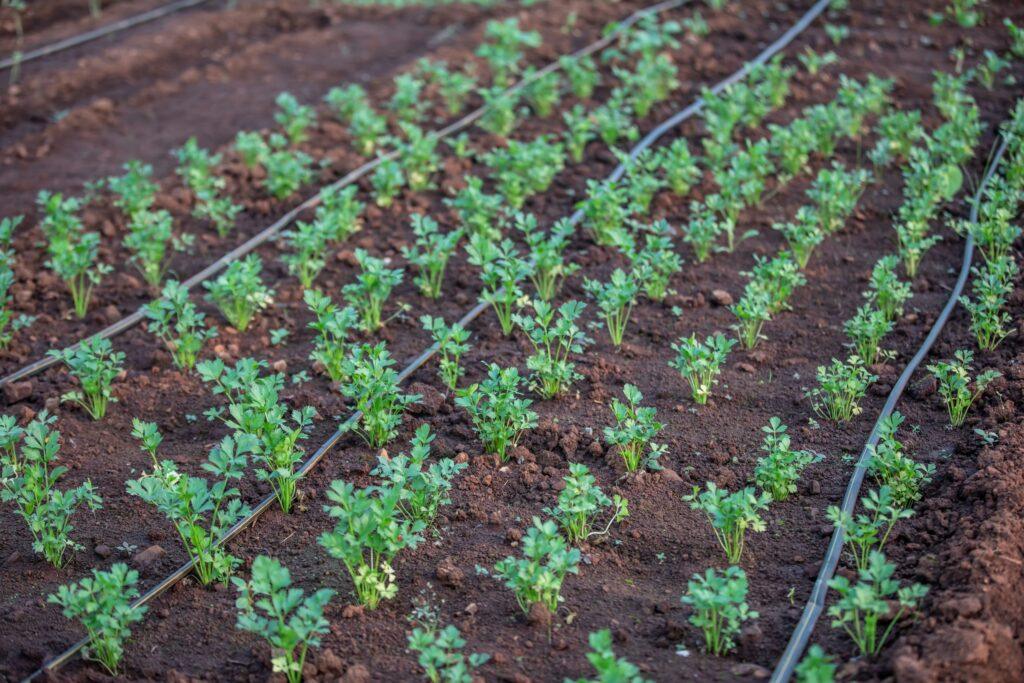
Bournemouth, UK – The grounds of St Ambrose Church in Westbourne, left unused for more than a decade, have been brought back to life through the Ethical Kitchen Garden (EKG) pilot project. In just five months, the initiative led by sustainability organisation We Do Ethical has turned the once-forgotten space into a productive community garden and a living demonstration of what local collaboration can achieve.
The project, which blends food growing, environmental education, and experimental sustainability practices, is already gaining national attention. Invitations to replicate the model have come from Bluestone Duchy Farm in Yorkshire and from community centres and boxing gyms in Brixton, London, supported by Pastor Lorraine Jones MBE.
The ambition is clear: to enable communities across the UK to build sustainable, localised food hubs that strengthen resilience, reduce environmental impact, and create spaces where people of all ages can connect.
Reconnecting Communities with Nature
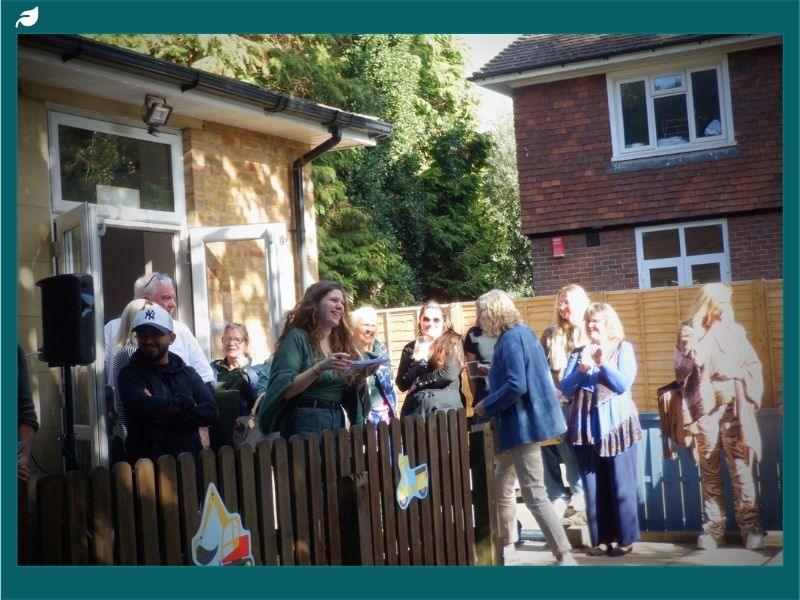
“We launched the Ethical Kitchen Garden to help people reconnect with nature through food and wellbeing activities,” said Kelly Levell, Founder of We Do Ethical. “In just five months, we have transformed an unused, forgotten space into a thriving garden full of life, learning and opportunity.”
Inspired by the work of Dr Jane Goodall, Levell and the We Do Ethical team have placed education at the heart of the project. More than thirty community members are now involved in growing food, supporting biodiversity, and experimenting with emerging green technologies.
The space has rapidly evolved into a multi-purpose garden offering:
- Organic food-growing plots
- Demonstrations of microbial fuel cells, showing how plants can generate electricity
- Research on structured water, which early studies suggest could increase crop yields
- Plans for new beehives to support pollination and boost local biodiversity
The project has also committed to plastic-free growing, using only organic compost and organic seeds, and adopting a no-dig policy based on methods pioneered by horticulturalist Charles Dowding.
Local and National Support Fuels Rapid Progress
EKG’s quick transformation has been enabled by substantial donations and partnerships with businesses across the horticulture, sustainability, and garden care sectors.
Suttons Seeds, celebrating the 170th anniversary of parent company Thompson & Morgan, donated 170 bee-friendly bulbs, which were planted during a community ceremony. Suttons has also selected EKG as its newest test site for product innovation.
STIGA Garden Care contributed cordless, rechargeable equipment that reduces carbon emissions. Their electric mower has already been put to work cutting the grounds of the onsite preschool — marking the first time in more than a decade that children there have had access to a lawn for outdoor play.
Eco Sustainable Solutions supplied over 12 cubic metres of organic compost for the new planters, supporting the garden’s low-impact growing methods.
Together, these contributions have allowed for rapid progress and created a platform for continued innovation within the pilot site.
Building Toward a Larger Vision
The Ethical Kitchen Garden aims to serve as a blueprint for sustainable food-growing spaces that blend community engagement with emerging green technologies.
To expand its capacity, the project has launched a Crowdfunder to support upcoming developments, including:
- A mushroom maze for children’s education and agroecology learning
- Rainwater harvesting systems to reduce reliance on mains water
- Additional garden equipment and supplies to support food preservation and cooking workshops in the onsite kitchen
Businesses are also being invited to participate through Seeder, Buddy, and Flower Supporter tiers, each designed to offer wellbeing benefits for staff, sustainability partnerships, and national visibility. Eco Sustainable Solutions, Suttons, and STIGA have already joined as Flower Level Supporters.
“Thanks to the generosity of Suttons, STIGA, Eco Sustainable Solutions, and our amazing group of over thirty volunteers, we’ve laid the foundations for something truly special,” said Mia Young, Environmental Scientist at We Do Ethical. “But to keep growing, we need our community and local businesses to get involved! Whether that’s planting a bulb, pledging on our Crowdfunder, or joining us as a sponsor. Together, we can build a legacy of food security, biodiversity, and community connection for generations to come.”
A Model for Community-Led Climate Action
The rise of localised, community-driven food projects reflects broader concerns around food security, supply chains, and the environmental footprint of industrial agriculture. Across the UK, interest in community gardens, edible landscapes, and urban greening has surged, driven by rising food prices, the climate crisis, and a growing desire for shared, restorative green spaces.
EKG’s approach goes beyond traditional community gardening. By integrating renewable energy demonstrations, soil health practices, and nature-based learning, the project presents a hybrid model that responds to both local needs and global sustainability challenges.
The initiative also reflects a shift toward place-based climate action, where communities lead practical, hands-on solutions that build resilience and provide immediate benefits. EKG’s early success in Westbourne suggests strong potential for wider rollout, especially in urban areas where unused land could be repurposed for ecological and social good.
A Growing Movement Rooted in Collaboration
In just a few months, the Ethical Kitchen Garden has become a focal point for community pride and collaboration. Its rapid development underscores the significance of partnerships between residents, local businesses, and sustainability innovators — and the potential of small urban spaces to deliver outsized environmental and social value.
As the pilot continues to grow and new sites begin to emerge, the project offers an inspiring model for how communities can reclaim land, grow healthy food, strengthen local connections, and explore the transition to a greener, more regenerative future.
For those wishing to support or learn more, the Crowdfunder is available at:
https://www.crowdfunder.co.uk/p/ethical-kitchen-garden