In today’s rapidly evolving business landscape, sustainability has shifted from a peripheral concern to a central pillar of customer trust and long-term competitiveness. For small and medium-sized enterprises (SMEs), the challenge is particularly acute: balancing limited resources with the pressing need to adopt environmentally and socially responsible practices. SME sustainability captures this balancing act, urging smaller firms to embed responsibility into their strategies not only to comply with regulations but also to unlock growth opportunities.
Governments worldwide, including Singapore through initiatives like the SME Sustainability Hub, are providing frameworks and resources to help smaller firms transition towards greener practices. Yet, beyond compliance, these businesses must set specific, actionable goals that align with their business models and stakeholder expectations. Here are some particular areas where SMEs can establish clear targets that create real value:
1) Reduce Carbon Emissions and Energy Use
Carbon reduction is often the most visible sustainability target. SMEs may start with energy audits to identify inefficiencies in their operations. Switching to renewable energy sources, such as solar panels, or adopting energy-efficient equipment can significantly lower emissions. Even simple measures, like optimising heating, ventilation, and lighting systems, can reduce costs while contributing to broader climate goals.
For SMEs in service industries, digitalisation offers another pathway: from reducing paper use and streamlining logistics to minimising travel through remote collaboration tools. These steps not only cut emissions but also enhance operational efficiency.
2) Implement Sustainable Supply Chain Practices
Supply chains are a critical area where SMEs can exert influence. By sourcing materials from ethical and environmentally responsible suppliers, SMEs can reduce their indirect carbon footprint. Procurement teams can also add basic sustainability criteria to their vendor evaluations. These may involve environmental certifications, responsible manufacturing standards, or third-party audits.
SMEs should also consider local sourcing whenever possible. Shorter supply chains reduce transport emissions and support local economies, strengthening community ties and resilience. As improvements take hold, firms gain greater clarity on how suppliers contribute to their sustainability goals, which strengthens trust across the value network.
3) Minimise Waste and Promote Circularity
Waste management is a tangible sustainability goal that SMEs can tackle immediately. Adoption of circular economy principles, where products are designed for reuse, repair, or recycling, helps reduce landfill contributions. SMEs can implement recycling programmes, encourage customers to return used products, explore innovative packaging solutions such as biodegradable materials, and find alternative uses for by-products to reduce disposal volumes.
Food and retail SMEs, in particular, can benefit from waste reduction strategies. For example, partnering with charities to redistribute unsold goods not only reduces waste but also enhances corporate social responsibility.
These efforts do not need to be large scale. Even modest changes can improve cost control while showing customers a clear commitment to environmental responsibility.
4) Enhance Water Efficiency
Waste reduction naturally leads to resource conservation, and water efficiency is a critical priority often overlooked by SMEs. Beyond installing low-flow fixtures and recycling greywater, businesses can adopt smart metres to monitor usage patterns and detect leaks early. In industries such as manufacturing, hospitality, and agriculture, water-intensive processes can be redesigned to minimise consumption, whether reusing process water or investing in closed-loop cooling systems. SMEs can also explore rainwater harvesting to supplement supply, reducing reliance on municipal sources.
Demonstrating stewardship of scarce water resources signals responsibility to customers, investors, and regulators alike. Through conservation of water, SMEs strengthen their credibility and align with broader sustainability narratives. This goal complements energy and waste initiatives, reinforcing a holistic approach to resource efficiency across multiple dimensions.
5) Foster Employee Engagement in Sustainability
Sustainability is not solely about technology or processes. It is also about people. Once resource efficiency is in place, SMEs can turn inward to cultivate a culture of sustainability among employees. Training programmes and workshops can equip staff with practical knowledge, while incentive schemes encourage eco-friendly habits that extend outside the workplace. For instance, a retail SME might reward employees who propose packaging alternatives that reduce plastic use or a hospitality business could run monthly “green challenges” where teams compete to lower energy consumption in their departments.
Employee-driven initiatives often spark innovative ideas and foster ownership. Imagine a small manufacturing firm where employees design a recycling station for scrap materials, reducing waste and costs simultaneously. When staff feel invested, sustainability goals are no longer isolated projects but part of the organisation’s identity, linking operational changes with human commitment.
6) Commit to Transparent Sustainability Reporting
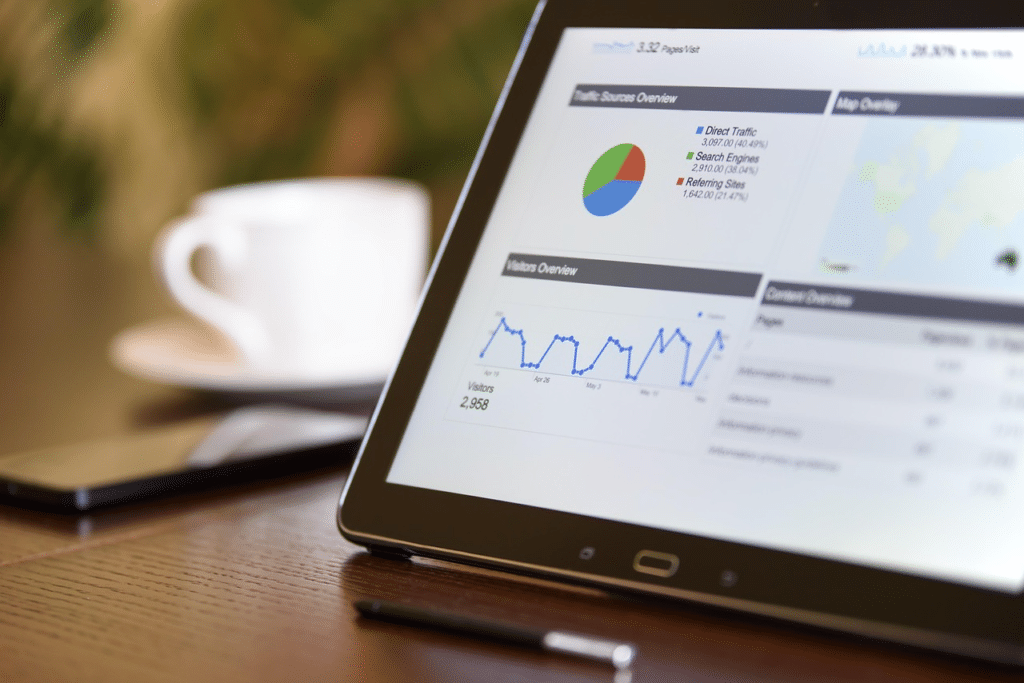
A critical sustainability goal for SMEs is to establish clear and transparent reporting practices. This means setting measurable targets, tracking progress, and sharing results in a way stakeholders can easily understand. Using recognised frameworks such as the Global Reporting Initiative (GRI) or aligning with national guidelines ensures consistency and credibility.
Transparent communication is not just about compliance; it is a strategic tool. A logistics SME that discloses quarterly fleet emissions, for instance, builds trust with customers and investors, while also motivating employees through tangible impact. If they make reporting a formal goal, SMEs can successfully embed accountability into their sustainability journey and position themselves as serious contributors to broader environmental and social objectives.
Ultimately, sustainability becomes more achievable when goals are clearly defined and grounded in practical action. SMEs can start with small, confidence-building steps that gradually uncover new opportunities for improvement. As these efforts accumulate, firms often realise gains in efficiency, brand reputation, and resilience. This is the moment for SMEs to review current practices and set targets that support environmental responsibility while strengthening long-term business performance.