While the summer season brings festivals, music concerts, park meetups and other gatherings, it also comes with tonnes of plastic and packaging waste. Food and beverages are part and parcel of events like these, however, serving drinks outdoors can be problematic. The risk of glass smashing, and the need for an easy on-the-go vessel, mean establishments often provide plastic cups. Sadly, this reliance has led to a shocking amount of plastic waste – 25,800 tonnes of waste annually at festivals in the UK to be exact. Luckily, there is another way. And it’s quickly catching on.
How metal enhances new standards for drink serviceThe use of aluminium cans and metal bottles, which are infinitely recyclable, is on the rise, with the canned market predicted to be worth $31.2 billion by 2026.
In part due to the increasing number of bans on plastic products globally – owing to sustainability concerns – demand for alternative packaging solutions has risen rapidly, benefitting the growth of the market. In the UK, for example, businesses are banned from supplying certain single-use plastics from the 1st of October 2023, and this will likely lead to further restrictions.
Besides the environmental contribution, metal bottles present a resilient and eco-friendly alternative this summer, providing a resealable solution that makes them the perfect choice for portable beverages. Here are several advantages to take into account:
Unlocking the power of convenience for consumers.
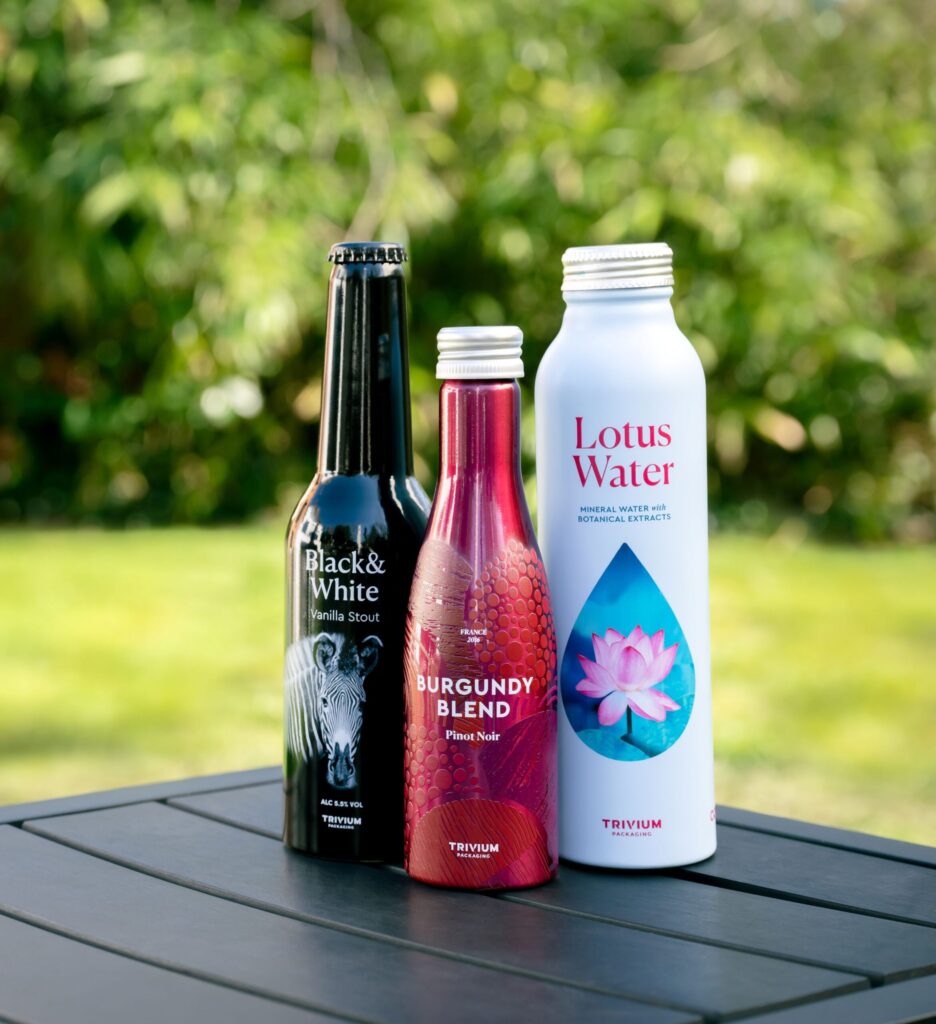
The likes of wine, water, and kombucha, as well as many other drinks are now available in aluminium bottles. Offering a perfect balance between convenience and sustainability, allows consumers to enjoy events and festivals without compromising on eco-friendly packaging.
Instead of waiting in long queues for a drink to be poured, people can quickly and easily grab a ready-to-go bottle that can be 100% recycled. This not only saves time but also eliminates the risk of breaking the beverage container, as aluminium bottles do not shatter like glass.
Spillages are no longer a concern since the bottles can be resealed and conveniently carried in a bag while on the move. Moreover, these containers are lighter than their glass counterparts, making them easier to maintain. In the case of wine, smaller-sized aluminium bottles eliminate the need for additional glasses to drink from, as they can be enjoyed directly from the container. For those looking to stay hydrated throughout the day, pairing these bottles with rehydration sachets can offer a practical way to replenish electrolytes while keeping sustainability in mind. As 2023 Buying Green report states, 79% of consumers are looking for products in sustainable packaging and with the metal they get both: sustainable and convenient, easy-to-carry bottles.
Reducing environmental impact.
Switching to aluminium bottles offers numerous advantages for brands, particularly when transitioning from plastic to metal packaging. As aluminium is infinitely recyclable, 75% of the material is still in use today and can be recycled repeatedly without any loss in quality. By adopting metal packaging, brands can demonstrate their commitment to environmental responsibility, appealing to the growing number of sustainability-conscious consumers.
Additionally, more and more retailers prioritise sustainable practices and products, echoing changing consumer buying habits. Even at the time of the cost-of-living crisis, over half of Western Europeans (61%) would still consider paying more for sustainably packaged products. Notably, the 2023 Buying Green report found that 63% of consumers are now less likely to buy products with packaging that is harmful to the environment. The data speaks for itself: the shift to aluminium bottles, and sustainable packaging, is attractive to consumers.
It’s not just about product sales, however. Brands can benefit from lower shipping costs and improved energy efficiency during distribution, as aluminium is lighter than glass, reducing the weight and overall carbon footprint associated with transportation. This not only benefits the environment but also offers potential cost savings for the brand.
Functionality of metal packaging.
Aluminium bottles allow brands to showcase unique and eye-catching designs, printed directly on the bottle’s surface. In the case of wine, the ability to print without the need for labels allows brands to create visually appealing packaging that stands out on busy store shelves, attracting consumers’ attention and influencing their purchasing decisions.
Most importantly, aluminium bottles provide excellent light and oxygen barrier properties. They block harmful UV rays that can negatively impact wine quality, preventing light-induced degradation and spoilage. Additionally, aluminium bottles create an effective barrier against oxygen, minimising oxidation and helping to preserve the wine’s flavour, aroma, and freshness for a longer period.
A no-brainer for brands
Overall, metal bottles and cans contribute to the circular economy by being highly recyclable, reducing waste generation, extending product lifespan, and promoting energy efficiency in recycling processes. Boasting benefits for the consumer, brand, and environment, metal is a tool brands shouldn’t sleep on when embarking on a sustainability journey.