How do you expect the PPWR to change the way packaging is designed, produced, used and managed across Europe?
The PPWR is an important step towards making circularity part of the packaging system by design. It will ensure that packaging is designed with its entire lifecycle in mind, from the materials used and how it is produced all the way through to how it is collected, sorted, and recycled. It should also create greater demand for recycled materials, helping to strengthen the market for secondary raw materials.
For this to work effectively, we need to look at the packaging system as a whole. Better design needs to be supported by effective collection and high-quality sorting and recycling infrastructure. Together, these changes can help Europe move from a system focused on managing waste to one focused on keeping valuable resources in circulation.
In what ways will keeping materials in circulation for longer help the EU improve resource security and resilience?
Keeping materials in circulation can play an important role in strengthening Europe’s resource security. Today, Europe remains reliant on imports for many critical raw materials, while significant quantities of valuable materials are lost through inefficient, insufficient, or non-existent recycling systems. Recovering and reusing these materials means we can make better use of the resources already available within Europe.
While many might presume PPWR is simply an environmental measure, its impact goes much further. By keeping materials in circulation for longer, the EU is taking an important step towards improving resource security, and reducing its exposure to shocks in the supply chain.
As the regulation shifts the economy away from linear systems towards a circular model, it is also expected to create more than 70,000 new green jobs* according to analysis by Eunomia, strengthening local economic growth and industrial resilience.
*Eunomia analysis derived from Plastics Recyclers Europe(2025), report soon to be published
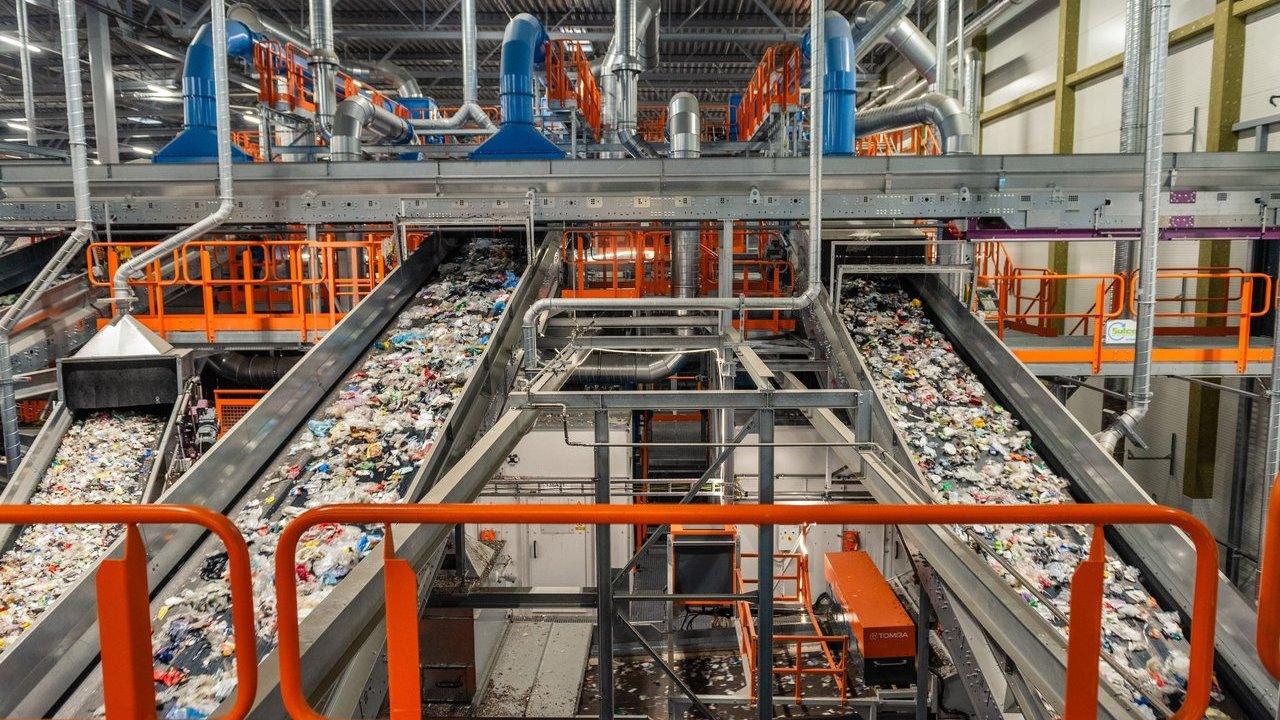
Eunomia’s analysis suggests PPWR could create more than 70,000 new green jobs; how might this affect local economies?
At a time when employment prospects across Europe face significant challenges, the jobs created by the Packaging and Packaging Waste Regulation (PPWR) could provide a welcome boost to local economies. The EU Commission<https://ec.europa.eu/commission/presscorner/detail/en/ip_26_2147> has forecast that recent economic pressures, including energy shocks, could result in 440,000 fewer jobs being created in 2026. Meanwhile, the International Monetary Fund<https://www.imf.org/-/media/files/publications/sdn/2024/english/sdnea2024001.pdf> estimates that 60% of jobs in advanced economies are exposed to AI, with 30% potentially negatively affected.
Against this backdrop, the PPWR’s potential to create more than 70,000 green jobs could help support local employment and provide new opportunities for workers. As the OECD<https://www.oecd.org/en/topics/policy-issues/local-employment-and-economic-development.html> highlights, stronger local employment can generate wider economic benefits by increasing household incomes, boosting purchasing power and encouraging spending in local businesses. In turn, this can help stimulate local economic activity and support longer-term regional development.
What role can TOMRA’s recycling infrastructure play in helping the EU shift from a linear to a circular economy?
Every year, we help divert millions of tons of materials from landfills and incineration, cutting emissions tied to virgin material extraction and keeping valuable resources in play.
The technology to deliver the transition is available. Now, we need effective collection systems, ambitious regulation, investment across the value chain and collaboration between industry, policymakers and consumers, working as a unit to drive uptake across the board.
Our role is to continue developing and scaling the technologies that make resource recovery more efficient across the EU, helping to turn materials that would otherwise be lost into valuable resources that can be used again.
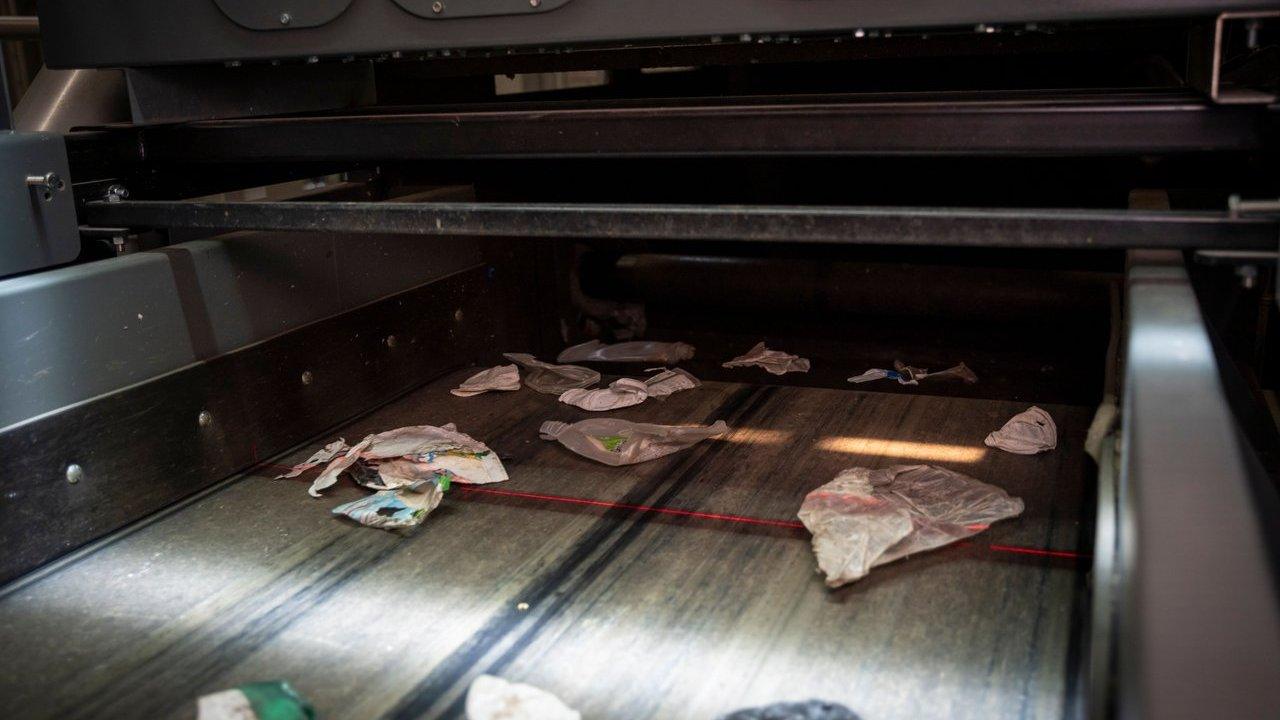
What exciting plans and goals do you have for TOMRA over the next few years?
Over the next few years, our ambition is to strengthen TOMRA’s role in improving resource use. The world faces a growing waste challenge, while geopolitical shifts are putting trade, global value chains and access to vital resources under pressure. Resource independence is increasingly a matter of resilience and security.
This creates significant opportunities for TOMRA. Our solutions turn waste into value, reduce reliance on virgin materials and support more circular value chains. New deposit return systems across Europe and EU packaging rules on recycled content will further drive demand for high-quality, closed-loop recycling.
By continuing to innovate and scale our solutions, we can deliver sustainable growth for TOMRA, and help make circularity a cornerstone of a more secure, resource-resilient future.