Sustainability has become a central focus for businesses worldwide—but with that focus comes increased scrutiny. Customers, regulators, and stakeholders now expect companies to prove where their products come from, how they are made, and whether ethical and environmental standards are being followed. It’s no longer enough to claim sustainability—businesses need to demonstrate it with clear, verifiable data.
This is where transparency becomes critical. However, achieving transparency across global supply chains isn’t easy. With multiple suppliers, cross-border regulations, and constantly changing requirements, even well-managed operations can struggle to maintain visibility and compliance.
That’s where technology steps in. Trade compliance software is helping businesses bridge this gap by providing the tools needed to track, manage, and verify supply chain activities more effectively. Having said that, here’s how it supports transparency in sustainable supply chains.
1. Creates Clear Visibility Across the Supply Chain
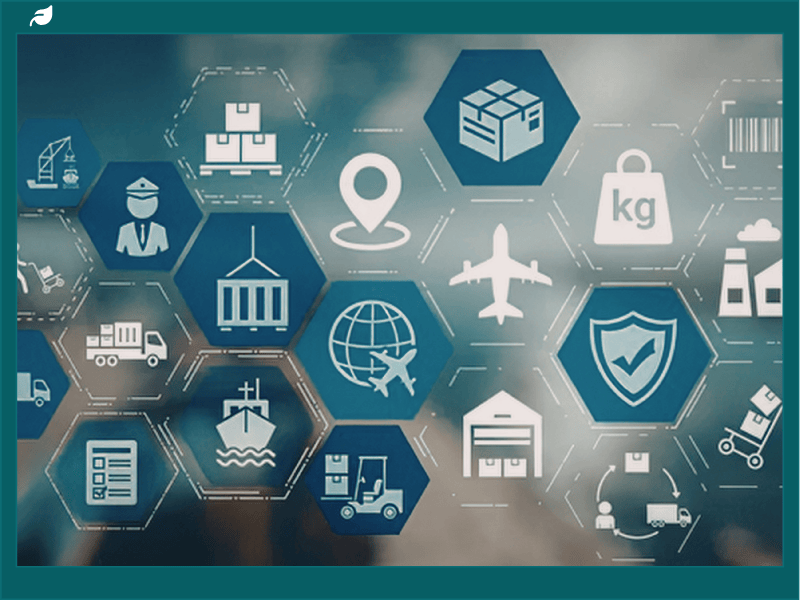
One of the biggest challenges in sustainability is understanding what’s happening at every stage of the supply chain. From raw material sourcing to final delivery, businesses need visibility into:
- Supplier practices.
- Material origins.
- Transportation processes.
Without this, it’s difficult to confirm whether sustainability standards are being met. Trade compliance software helps centralize data from multiple sources, giving businesses a clearer view of their entire supply chain. Instead of relying on fragmented information, companies can access real-time insights that improve decision-making and accountability.
This level of visibility is essential for identifying risks and ensuring that every part of the supply chain aligns with sustainability goals.
2. Ensures Compliance With Environmental and Trade Regulations
Global trade is governed by complex regulations that continue to evolve—especially when it comes to sustainability and environmental standards. Businesses must comply with:
- Import and export regulations.
- Environmental compliance laws.
- Documentation and reporting requirements.
Managing all of this manually can lead to errors and inconsistencies. Using reliable trade compliance software helps automate these processes, ensuring that documentation is accurate and aligned with regulatory standards. It reduces the risk of non-compliance while making it easier to adapt to changing requirements.
For example, solutions like the Livingston International platform are designed to support this by helping businesses manage trade data, maintain compliance, and streamline reporting across global operations. By simplifying compliance, businesses can focus more on improving sustainability practices rather than managing complex regulations.
3. Improves Traceability of Materials and Products
Traceability is a key component of sustainable supply chains. Companies need to know:
- Where materials originate.
- How they are processed.
- Whether suppliers meet ethical standards.
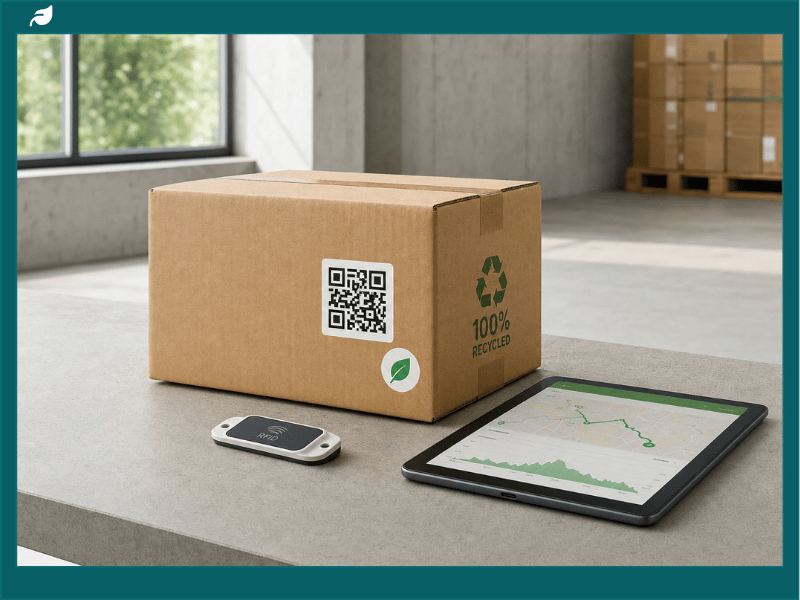
Without proper traceability, it’s difficult to verify sustainability claims. Trade compliance software enables detailed tracking of materials and products throughout the supply chain. This ensures that every step is documented and accessible.
With improved traceability, businesses can:
- Verify supplier practices.
- Identify potential risks.
- Provide transparent information to stakeholders.
This builds trust and strengthens accountability.
4. Reduces Risks and Enhances Accountability
Supply chains involve multiple stakeholders, which increases the risk of:
- Non-compliance.
- Data inconsistencies.
- Ethical violations.
Without proper oversight, these risks can go unnoticed until they cause serious issues. The right software helps reduce these risks by:
- Monitoring supplier data.
- Flagging potential compliance issues.
- Standardizing processes across operations.
This creates a more accountable system where every action is tracked and verified. When businesses have better control over their supply chain activities, they can respond quickly to potential problems and maintain higher standards of transparency.
5. Supports Data-Driven Sustainability Decisions
Sustainability efforts require more than intentions—they require data. The software provides insights that help businesses:
- Analyze supply chain performance.
- Measure environmental impact.
- Identify areas for improvement.
With access to accurate data, companies can make informed decisions that align with their sustainability goals. Instead of relying on assumptions, they can track progress and continuously refine their strategies. This data-driven approach leads to more effective and measurable sustainability outcomes.
6. Builds Trust With Customers and Stakeholders
Transparency is directly linked to trust. Customers and stakeholders want to know that businesses are:
- Following ethical practices.
- Meeting environmental standards.
- Providing accurate information.
Trade compliance software helps businesses provide this transparency by offering verifiable data and clear reporting. When companies can demonstrate their commitment to sustainability with real evidence, they build stronger relationships with their audience. Over time, this trust becomes a competitive advantage.
Conclusion
Sustainable supply chains are no longer optional—they are essential for long-term business success. But sustainability without transparency is difficult to prove.
The right software plays a critical role in bridging this gap. By improving visibility, ensuring compliance, enhancing traceability, and supporting data-driven decisions, it helps businesses operate more responsibly and transparently.
As expectations continue to rise, companies that invest in the right tools will be better positioned to meet regulatory requirements, build trust, and achieve meaningful sustainability goals. Because in today’s world, it’s not just about being sustainable—it’s about being able to prove it.