Rights & Brands, the global licensing agency representing character brands including Moomin and Pippi Longstocking, has partnered with supply chain data platform TrusTrace to strengthen compliance and transparency across its licensed consumer product network. The collaboration is designed to improve oversight of manufacturing partners and ensure licensed products meet regulatory and ethical standards as supply chain disclosure requirements increase.
The Stockholm-based agency manages licensing agreements for a range of globally recognised cultural properties, including The Smurfs and The Beatles. These agreements involve numerous licensees and suppliers working across multi-tiered production networks, making traceability and compliance management increasingly complex.
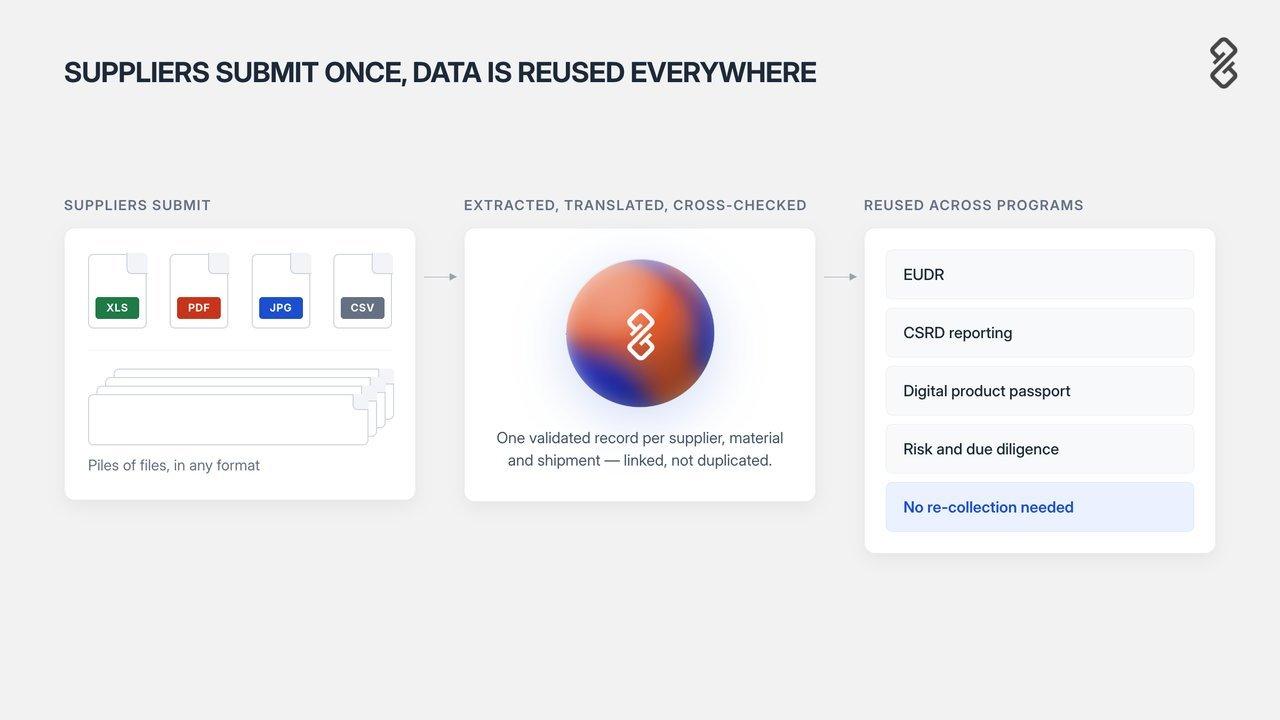
Rights & Brands has selected the TrusTrace platform to centralise documentation, monitor supplier compliance, and build clearer visibility across its global manufacturing base. The platform is widely used by brands seeking to collect and verify primary supply chain data for compliance, risk management, and environmental or social reporting.
The partnership comes at a time when regulatory expectations around supply chain transparency are tightening, particularly within the European Union. Businesses selling consumer goods in the region are preparing for new legislation that will require clearer documentation of product origins, materials, and manufacturing conditions.
For licensing agencies such as Rights & Brands, compliance obligations extend across a diverse set of product categories. Items bearing licensed characters can range from clothing and toys to homeware and stationery, each involving different materials, manufacturing processes, and regulatory requirements.
“The characters we represent have been loved by families for generations, and that trust comes with responsibility. Our partnership with TrusTrace allows us to better ensure that products bearing these iconic brands meet high standards of transparency in their supply chain to ensure ethical manufacturing and compliance. This is about protecting not just the integrity of these characters, but the people behind the products,” said Roleff Kråkström, CEO of Rights & Brands and Moomin Characters.
The system rollout will take place in three phases between January and June 2026. Initial deployment will focus on collecting foundational compliance documentation from suppliers and manufacturing partners.
This first stage will include factory information, signed codes of conduct, and audit certificates. The platform will also support the management of safety documentation for specific materials such as PVC, alongside social audit records and other compliance files required across different product categories.
Licensing arrangements can create supply chain structures that differ from conventional brand operations. Licensees often manage their own production partners, which means oversight can span several independent companies and factories.
“Licensing brings unique supply chain challenges – multiple licensees, diverse product categories, and tiered manufacturing relationships that require different levels of oversight,” said Shameek Ghosh, CEO and Co-Founder of TrusTrace. “Rights & Brands is taking a pragmatic approach to building the infrastructure needed to manage compliance at scale. We’re seeing this same need across fashion, consumer goods, and other product-based industries as regulatory requirements become more stringent.”
Digital traceability platforms are becoming a common tool for companies preparing for upcoming transparency legislation. The EU’s proposed Digital Product Passport framework, for example, will require detailed product-level data across sectors such as textiles, electronics, and consumer goods.
Companies will need to document material composition, environmental impact, and supply chain provenance in a standardised digital format. Systems capable of gathering primary supplier data are becoming central to those preparations.
Rights & Brands plans to expand its use of the TrusTrace platform throughout 2026 as regulatory expectations develop. The company is preparing its licensing network for requirements linked to Digital Product Passports and other European policy initiatives focused on transparency and circularity.
The agency represents a wide portfolio of creative brands tied to literature, art, and cultural heritage. Its network includes around 900 clients and 20 sub-agents worldwide, working across multiple consumer product categories and markets.
Moomin, one of the agency’s most widely recognised brands, was created by Finnish author and illustrator Tove Jansson. The characters have appeared in books, television series, and merchandise for decades, building a global audience that spans generations.
Astrid Lindgren’s Pippi Longstocking is another long-standing literary property represented by Rights & Brands. The character remains one of Sweden’s most internationally known cultural exports, with licensed products distributed globally.
As licensing portfolios expand into new markets and product types, agencies are under increasing pressure to monitor how goods are produced and where materials originate. Traceability tools are often used to coordinate data collection across multiple partners and ensure documentation remains consistent.
TrusTrace provides a platform designed to standardise the way supply chain and material data is captured and shared between brands and suppliers. The company’s system combines digital documentation with automated data validation to support compliance reporting and product transparency.
Founded in Stockholm, TrusTrace operates internationally with offices in India, France, and the United States. The company has been recognised by the World Economic Forum as a Top Innovator supporting the UN Sustainable Development Goals.
For Rights & Brands, the adoption of a digital traceability platform forms part of a broader effort to maintain oversight across its licensing ecosystem. By centralising supplier information and compliance records, the agency aims to ensure that products associated with well-known character brands meet consistent standards across global markets.
As regulatory expectations continue to evolve, companies working across large and distributed supply chains are investing in systems that provide clearer visibility into how products are made and where materials originate.