For years, choosing a real estate agent in Texas was mostly about reputation, negotiation skills, and how quickly someone could close. That hasn’t disappeared — but it’s no longer enough.
Today, buyers, investors, and even first-time homeowners are asking different questions. How energy-efficient is this property? What are the long-term climate risks? Will insurance costs rise? Is the agent transparent about environmental exposure?
If you search for Amarillo realtors, you’ll find no shortage of glowing reviews. Most profiles look reassuring: five-star ratings, friendly testimonials, smooth transactions. But very few reviews mention anything about sustainability, infrastructure resilience, or ESG-related considerations.
That gap is important. Because in Texas, environmental realities are not theoretical — they directly affect property value and long-term stability.
Texas Is a Climate Case Study
Texas is one of the most geographically diverse states in the U.S., and that diversity shows up in real estate risk.
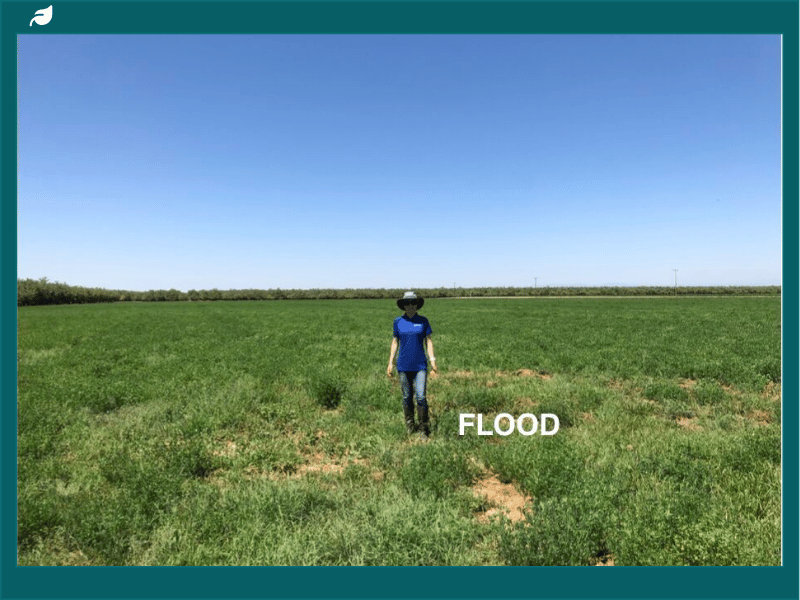
In West Texas, water scarcity and agricultural strain influence development patterns. In central regions, prolonged heat waves increase energy demand and strain power grids. Along the Gulf Coast, hurricanes, storm surge, and flooding shape everything from building codes to insurance underwriting.
An agent who understands only pricing trends but ignores environmental exposure is missing part of the equation.
This doesn’t mean every agent must be a climate scientist. But responsible professionals should be comfortable discussing flood maps, insulation standards, building materials, drainage systems, and long-term operating costs. If reviews never reflect those conversations, it’s worth noticing.
What ESG Looks Like in Real Estate
ESG — environmental, social, and governance principles — often sounds abstract. In real estate, it’s surprisingly practical.
Environmental factors show up in:
- Energy performance
- Water efficiency
- Flood and heat exposure
- Construction materials
- Long-term maintenance demands
Social considerations include:
- Community planning
- Infrastructure access
- School and transportation development
- Responsible neighborhood growth
Governance appears through:
- Transparency in disclosures
- Ethical marketing practices
- Honest pricing conversations
- Clear risk communication
When you read agent reviews, these dimensions rarely appear explicitly. But they often show up indirectly — in the details.
Read Reviews for Substance, Not Praise
Most agents hover between 4.5 and 5 stars. The number itself tells you very little.
Instead, look at how specific the reviews are.
- Did the client mention discussions about utility costs?
- Was there transparency around inspection findings?
- Did the agent explain flood insurance implications?
- Was there honest advice against a risky purchase?
If reviews consistently highlight thoughtful explanations – not just friendliness – that suggests a deeper level of responsibility.
Sometimes the most meaningful feedback isn’t enthusiastic. It’s balanced. A reviewer who says, “They walked us through the flood zone details and helped us reconsider,” is offering more insight than someone writing, “Amazing service!”
Energy Efficiency Is No Longer Optional
In Texas, extreme heat is a practical concern. Cooling costs can dramatically affect affordability. Poor insulation or outdated HVAC systems aren’t minor details — they shape monthly budgets.
Agents who understand this often point out:
- Window performance and shading
- Roof age and material durability
- HVAC efficiency ratings
- Smart thermostats
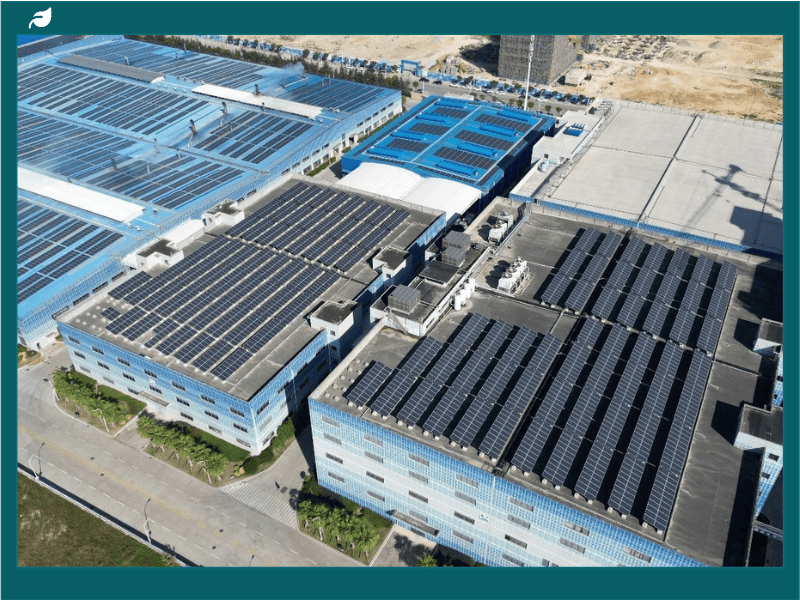
- Solar panel potential
When reviews reference these kinds of conversations naturally, it usually means the agent brought them up proactively.
If sustainability never enters the discussion, it may not be part of the agent’s routine process.
Coastal Markets Raise the Bar for Transparency
Environmental awareness becomes even more critical along the coast.
When evaluating Corpus Christi realtors, for example, flood exposure and storm resilience should be part of the conversation. Coastal buyers face complex considerations: elevation certificates, FEMA classifications, windstorm certifications, and insurance volatility.
A responsible agent doesn’t minimize those factors to speed up a deal. They explain them clearly – even if it complicates the transaction.
Reviews that mention honest discussions about past storm impacts or infrastructure limitations are powerful. They suggest long-term thinking rather than short-term sales focus.
Climate Risk Disclosure Is Becoming Standard
Across the U.S., climate risk disclosure is gradually becoming more integrated into property transactions. Texas, given its exposure to extreme weather, is part of that shift.
An ESG-aware agent might:
- Share historical flood data
- Discuss drainage and grading
- Review prior insurance claims
- Explain resilience upgrades
- Highlight building code updates
These conversations don’t always make dramatic headlines in reviews. But they often appear in small, specific comments – the kind that feel personal and detailed.
Those are the reviews worth paying attention to.
Transparency Over Perfection
It’s tempting to search for the “perfect” agent. But ESG alignment isn’t about flawless service. It’s about predictability and openness.
Look for patterns in reviews:
- Consistent mention of honesty
- Realistic pricing guidance
- Clear explanation of trade-offs
- Calm handling of unexpected issues
An agent who occasionally advises a client not to buy – and receives appreciation for that — demonstrates governance in action.
On the other hand, profiles filled only with generic praise may lack depth. Not because they are dishonest, but because they don’t reveal how complex situations are handled.
Digital Reputation Influences Market Behavior
There’s another layer to consider.
Online reviews shape which professionals gain visibility. Visibility shapes which practices become normalized.
If buyers reward agents who highlight energy efficiency and resilience, those features gain market importance. If sustainability is rarely discussed, it quietly slips down the priority list.
Digital reputation doesn’t just reflect behavior. It reinforces it.
That’s why reading reviews through an ESG lens matters – not only for your own purchase, but for broader market direction.
Use Reviews to Frame Better Questions
Reviews should open conversations, not close them.
After reading feedback, consider asking agents directly:
- How do you evaluate environmental risk in this area?
- What resilience features hold long-term value here?
- How do you approach flood disclosure?
- Have energy-efficient homes sold at a premium locally?
- What infrastructure developments are planned nearby?
The clarity and comfort of the answers often reveal more than polished testimonials ever could.
Final Thoughts
Real estate in Texas is increasingly shaped by environmental realities – heat, water scarcity, storms, and infrastructure strain. Ignoring those factors doesn’t make them disappear.
Choosing an agent today means evaluating not only communication skills and negotiation strength, but also transparency, long-term thinking, and climate awareness.
Reviews can provide subtle signals. They rarely use the word “ESG.” They may not mention sustainability explicitly. But when they describe detailed explanations, honest disclosure, and thoughtful risk conversations, they point to responsible practice.
In a state as large and environmentally varied as Texas, that kind of responsibility is no longer a niche preference. It’s part of informed decision-making – and increasingly, part of sustainable real estate itself.