Sustainable landscaping is no longer a niche concept reserved for environmental specialists. It has become a practical, widely adopted approach to managing outdoor spaces in a way that reduces resource use, supports ecosystems, and delivers long-term value. At the core of this shift is a simple but powerful principle: choosing the right plants for the right environment. More specifically, prioritizing native plant species.
Native plant selection is not just a design preference. It is a strategic decision that influences water consumption, soil health, biodiversity, and the overall resilience of a landscape. As sustainability becomes a central concern for businesses, municipalities, and homeowners alike, the importance of this approach continues to grow.
What Makes Native Plants Different
Native plants are species that have evolved in a specific region over thousands of years. They are naturally adapted to local climate conditions, soil composition, and seasonal changes. This adaptation allows them to thrive with minimal intervention once established.
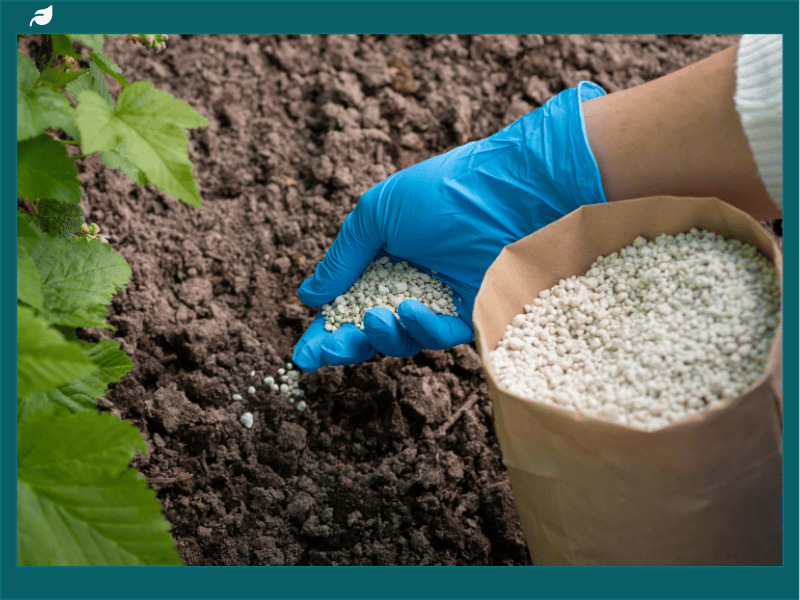
In contrast, non-native or ornamental plants often require significant maintenance to survive outside their natural environment. This can include regular irrigation, chemical fertilizers, and pest control measures. While these plants may offer visual appeal, they can place a strain on both resources and local ecosystems. By working with native species, landscaping shifts from a maintenance-heavy model to one that aligns with the natural characteristics of the environment.
Sourcing Native Plants Responsibly
Selecting native plants is only part of the equation. Ensuring that those plants are sourced responsibly is equally important. High-quality, regionally appropriate plants are more likely to establish successfully and deliver the intended environmental benefits.
When planning sustainable landscapes, many professionals look to suppliers like TN Nursery for access to a broad selection of native plants suited to different environments. Reliable sourcing helps ensure that plant material is healthy, correctly identified, and appropriate for the intended use.
This step is often overlooked, but it plays a significant role in the overall success of a project. Poor-quality or mismatched plants can lead to increased maintenance, reduced performance, and, in some cases, ecological disruption.
Efficiency Through Adaptation
One of the most immediate advantages of native plant selection is improved resource efficiency. Because these plants are already suited to local conditions, they typically require less water, fewer chemical inputs, and less ongoing care.
Water conservation is particularly significant. In many regions, irrigation accounts for a substantial portion of total water use. Native plants, adapted to natural rainfall patterns, can often sustain themselves without additional watering after their initial establishment phase.
This efficiency extends to soil health as well. Native plants tend to support balanced soil ecosystems, reducing the need for artificial amendments. Over time, this contributes to stronger, more stable landscapes that require less intervention to maintain.
Supporting Biodiversity and Local Ecosystems

Image by Freepik
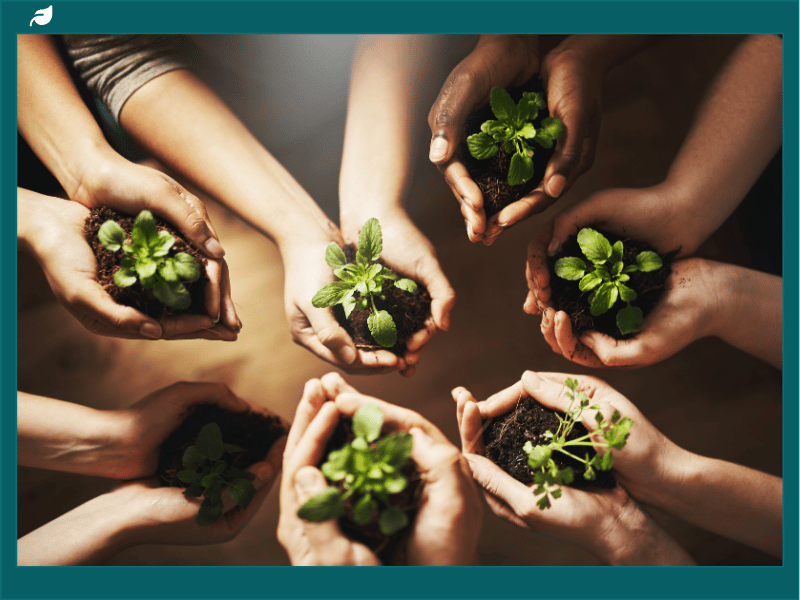
Sustainable landscaping is not only about reducing inputs; it is also about contributing positively to the surrounding environment. Native plants play a critical role in supporting biodiversity by providing habitat and food sources for local wildlife.
Pollinators such as bees, butterflies, and birds depend on specific plant species for survival. When landscapes are dominated by non-native plants, these relationships can be disrupted. Native plantings, on the other hand, help maintain ecological balance by supporting these essential interactions.
According to the United States Department of Agriculture, incorporating native vegetation into landscaping can improve soil stability, enhance water filtration, and increase resilience to environmental stress. These benefits extend beyond individual properties, contributing to healthier ecosystems at a regional level.
Reducing Maintenance While Enhancing Design
A common misconception is that native plant landscapes are less visually appealing or more limited in design. In reality, native species offer a wide range of textures, colors, and seasonal variation that can be used to create dynamic, visually engaging environments.
The key difference lies in the design approach. Instead of forcing plants to adapt to artificial conditions, designers work with the natural landscape, using native species to create spaces that feel cohesive and sustainable.
Maintenance is also significantly reduced. Without the need for constant watering, fertilizing, or pest control, landscapes become easier to manage and more cost-effective over time. This makes native plant selection particularly attractive for commercial properties and public spaces, where long-term maintenance costs are a critical consideration.
Building Resilience in Changing Conditions
As climate patterns become less predictable, resilience has become a defining feature of sustainable landscaping. Native plants offer a natural advantage in this regard. Their long-term adaptation to local conditions makes them better equipped to handle fluctuations in temperature, rainfall, and other environmental factors.
This resilience reduces the need for reactive measures such as increased irrigation or plant replacement. Instead, landscapes remain stable and functional even under changing conditions.
For businesses and property owners, this translates into greater reliability and lower long-term costs. Sustainable landscapes are not only environmentally responsible, but also economically practical.
A Shift Toward Functional Landscapes
The growing emphasis on native plant selection reflects a broader change in how landscapes are viewed. Rather than being purely decorative, they are increasingly understood as functional systems that interact with the environment.
This shift influences every aspect of landscape design, from plant selection to layout and maintenance strategies. The goal is no longer just to create visually appealing spaces, but to build environments that perform well over time and contribute positively to their surroundings.
Long-Term Value Through Smart Choices
Sustainable landscaping is ultimately about long-term thinking. It involves making decisions that reduce resource use, support ecosystems, and create spaces that remain effective and attractive over time.
Native plant selection is one of the most effective ways to achieve these goals. By choosing plants that are naturally suited to their environment and sourcing them responsibly, it becomes possible to create landscapes that are both practical and sustainable.
As awareness continues to grow, native plants are likely to play an even more central role in landscape design. For those looking to balance environmental responsibility with long-term value, the approach is clear: work with nature, not against it.