Your soil is either working for you or against you. The difference, more often than not, comes down to what you feed it. A global meta-analysis published in Nature Communications found that organic fertilization increased aboveground biomass by 56% in grassland experiments without causing any loss in plant diversity, outperforming inorganic fertilization, which increased biomass by only 42%. That gap in performance points to something fundamental about how organic inputs work differently at the system level.
Synthetic fertilizers give plants a quick hit of nutrients and move on. Organic fertilizer does something more interesting: it feeds the whole system, the microbes, the structure, the long-term fertility that keeps your garden productive season after season. The 4-5-6 blend sits at the center of that approach, a carefully balanced ratio of nitrogen, phosphorus, and potassium drawn from natural sources, designed specifically for fruits and vegetables. If you’re growing food and you haven’t looked hard at what’s going into your soil, now’s the time.
Understanding Organic Fertiliser
Sustainable gardening used to be a fringe interest. Now it’s the direction serious growers are moving, and organic fertiliser is a big part of why. These products come from plant-based and animal materials, things like composted plant matter, manure, bone meal, and coir. They don’t just drop nutrients into the soil and disappear.
They improve the whole environment around your plants’ roots, feeding beneficial microorganisms, building structure, and creating conditions where crops actually thrive rather than just survive.
The Importance of Organic Fertilisers for Sustainable Gardening
Here’s the thing about conventional chemical fertilisers: they work fast and then they’re gone. They don’t build anything. Organic fertilisers take a slower, more deliberate path, and that’s exactly what makes them worth your attention.
The core advantage is the slow release of nutrients. Rather than flooding the soil with nitrogen, phosphorus, and potassium all at once, organic fertilisers break down gradually, giving plants a steady supply over weeks and months. That matters for a few reasons. It prevents the nutrient leaching that washes chemicals into waterways.
But the nutrient story is only part of it. Organic fertilisers actively support the living community inside your soil: earthworms, beneficial bacteria, fungi. These organisms break down organic material into forms plants can actually absorb. They improve how water moves through the soil.
They help roots penetrate deeper. You’re not just feeding your plants; you’re building a functioning ecosystem beneath the surface. That ecosystem is what gives you resilience across different seasons and weather conditions.
There’s also the sustainability angle, and it’s not abstract. Organic fertilisers come from renewable sources. Their production is far less energy-intensive than synthetic manufacturing. Using them reduces your garden’s carbon footprint in a real, measurable way.
Every bag of organic fertiliser you use instead of a synthetic equivalent is a small but genuine step toward the kind of gardening that doesn’t cost the planet more than it gives back.
Adopting organic fertilisers reflects a commitment to working with natural cycles rather than overriding them. That means less reliance on non-renewable resources, more biodiversity in your soil, and a garden that actually improves year on year instead of grinding toward exhaustion.
How Organic Fertiliser Benefits Fruits and Vegetables
Growing food is where organic fertiliser really earns its keep. Fruits and vegetables are demanding crops. They need nitrogen for leafy growth, phosphorus for root development and flowering, and potassium for strong cell walls and stress tolerance. Organic sources like composted plant material and animal manure deliver all of this, and they do it in a form that works with your soil rather than bypassing it. A 2022 study published in Frontiers in Environmental Science found that incorporating organic fertilizer treatments increased crop yields by 26.4% to 44.6% for wheat and 12.5% to 40.8% for maize compared to recommended fertilization practices alone, with the wheat yield increases being statistically significant. Those figures give concrete weight to what growers already observe in well-managed organic plots.
The taste difference is real, and it’s not marketing. When plants get consistent, steady nutrition from organic sources, they develop more fully. The nutrient release is gradual enough that there’s no risk of nutrient burn, a common problem with synthetic fertilisers that can scorch roots and damage crops. Produce grown in well-fed, organic soil tends to be richer in vitamins and minerals, and you can often taste the difference in tomatoes, peppers, and leafy greens grown this way.
Pest and disease resistance also improves. Healthy soil grows healthy plants, and healthy plants are naturally better at fending off environmental stressors. You end up needing fewer chemical pesticides, which keeps your garden safer for you, your family, and the beneficial insects that do so much useful work out there.
Water management is another win. Organic matter from composted materials and natural fertilisers improves soil structure, which means better drainage when it’s wet and better moisture retention when it’s dry. For fruit and vegetable crops, that kind of consistency is genuinely valuable. Stress from waterlogging or drought hits yield hard.
Good soil structure cushions against both.
And then there’s the environmental case. Organic fertiliser production generates far fewer carbon emissions than synthetic manufacturing. The inputs come from renewable sources. The whole system is oriented toward building rather than extracting.
Growing your fruit and vegetables this way means your garden is contributing to something larger than a single harvest.
The 4-5-6 Formula Explained
Not all organic fertilisers are created equal. The 4-5-6 formula is a specific blend developed to hit the nutritional sweet spot for fruits and vegetables, giving you the right balance of the three primary plant nutrients without tipping too far in any direction. Understanding what’s in it, and why, helps you use it to its full potential.
Key Components of the 4-5-6 Fertiliser Formula
Nitrogen at 4% drives leafy green growth. If you’re growing lettuce, spinach, or any leaf-heavy crop, nitrogen is what’s powering that top growth. It keeps foliage dense and productive without pushing plants into excessive vegetative growth at the expense of fruiting.
Phosphorus at 5% supports root development and flowering. This is the nutrient that helps a plant establish itself in the soil and then transition into production. Root crops and blooming fruits rely heavily on phosphorus, and getting this percentage right makes a real difference to yield.
Potassium at 6% is what keeps plants strong. It hardens cell walls, improves drought tolerance, and helps crops push through stress from pests or erratic weather. A potassium-rich fertiliser is especially valuable if you’re growing in variable conditions.
Beyond the NPK trio, the 4-5-6 formula draws on organic sources like compost, bone meal, and plant residues to bring in calcium and trace minerals. Calcium matters more than most growers realize: it prevents blossom end rot in tomatoes and peppers, a frustrating problem that can wipe out a significant portion of your crop. Trace minerals from composted organic matter fill in nutritional gaps that even good soil can miss.
The formula also works steadily rather than in spikes. The slow release of nutrients means you’re not gambling on a single application carrying your crop through to harvest. Nutrients become available as plants need them, matching the natural rhythm of growth rather than fighting it. The organic carbon content from composted plant material supports microbial activity that keeps the whole soil system functioning well, even between applications.
Here are the core practical benefits the formula delivers:
- It encourages microbial activity, which builds soil fertility over time rather than depleting it.
- It suits a wide range of plants, so you can use one product across different garden beds.
- It improves soil structure, helping with both water retention and drainage.
- It keeps nutrient leaching to a minimum, protecting waterways and preserving what you’ve put into the soil.
- It cuts your dependency on synthetic chemicals, keeping the garden clean.
- It supports healthy development at every growth stage, from germination through to fruiting.
The Science Behind the Balanced Nutrient Content
The 4-5-6 formula works because it matches how soil and plants actually function, not how we’d like them to function in a controlled lab setting.
Soil pH is a good place to start. When pH drifts too far acid or alkaline, nutrients get locked up and plants can’t reach them even if they’re technically present in the soil. Organic fertilisers derived from compost and manure tend to stabilize pH over time, keeping it in the range where nutrients stay accessible. That has a direct effect on root efficiency and overall growth potential, because a plant working against a bad pH environment is always fighting uphill.
Microbial activity is the other engine. The gradual nutrient release from organic fertiliser doesn’t just feed plants directly; it feeds the bacteria and fungi that process organic matter into plant-available forms. Those microorganisms produce enzymes that unlock nutrients further, making the 4-5-6 formula both a direct input and a catalyst for the soil’s own nutrient cycle. The result is improved water retention, better aeration, and a root environment that genuinely supports strong growth.
There’s also an environmental efficiency argument. Because the formula releases nutrients in line with plant demand, excess nutrients don’t pile up and run off into waterways. That’s a real problem with conventional fertilisers, where nutrient runoff contributes to algae blooms and water quality issues downstream. Matching release to need is a cleaner, more honest way to fertilise, and it keeps the ecological footprint of your garden manageable.
The science here isn’t complicated. It’s about working with the systems that already exist in your soil rather than overloading them. The 4-5-6 formula is built around that logic, and it’s why the approach holds up across different soil types, climates, and crop varieties.
Application Techniques for Optimal Results
Having the right organic fertiliser is only half the job. How you apply it determines whether those nutrients reach your plants effectively or end up wasted. Rates, timing, and method all matter, and getting them right means you’ll get more from every application.
Recommended Application Rates and Timing
For fruits and vegetables, a standard rate for organic 4-5-6 fertilisers is 3 to 5 pounds per 100 square feet of garden area. That said, your specific soil type and the crops you’re growing will influence the exact amount. A heavy clay soil that already holds nutrients well needs less than a sandy soil that drains fast and loses nutrients quickly. Regular soil testing, done at least once a season, takes the guesswork out of these adjustments and keeps you from over-applying.
Timing is where a lot of growers go wrong. Organic fertilisers need time to break down and integrate into the soil, so the most effective application is before planting, during soil preparation. Getting the fertiliser into the ground early allows nutrients to start becoming available by the time seedlings go in or seeds germinate. Then a mid-season application supports the peak growth and fruiting phases, when plants are drawing hardest on their nutrient reserves.
Seasonal conditions affect how quickly fertilisers break down. In cool, damp conditions the process slows down noticeably, while warm, moist soil accelerates microbial activity and nutrient release. Applying just before expected rain can help nutrients integrate into the soil, but pay attention to how heavy that rain is: hard downpours on freshly applied fertiliser can cause runoff, which wastes product and can affect nearby waterways.
Because organic fertilisers release nutrients gradually, you won’t need to apply as frequently as you would with synthetic options. But that’s not a reason to skip monitoring. Soil tests catch deficiencies before they show up as stunted plants or poor yields, and they’ll also flag if you’re building up nutrients to levels that start causing problems.
Effective Methods for Incorporating Fertiliser into Soil
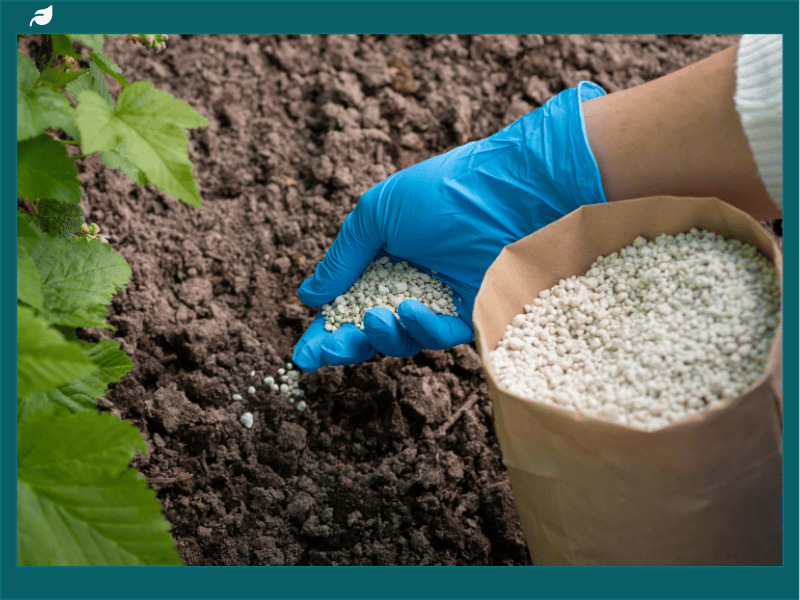
Broadcasting is the most straightforward method. You spread the fertiliser evenly across the soil surface before planting, then till it in lightly. This distributes nutrients widely, giving seedlings and young plants a good start from the moment their roots begin exploring. It’s practical for large beds and works well for mixed plantings where you’re not targeting individual rows.
Trench or furrow application suits long-row crops. You place the fertiliser directly into planting trenches dug alongside crop rows, concentrating nutrients close to where roots will grow. This targeted approach means less fertiliser goes to waste in areas with no root activity. Cover the fertiliser with soil after application to prevent nutrient loss through volatilization, which can happen when certain nitrogen compounds are exposed to air.
For established plants mid-season, side-dressing is the method to use. Apply fertiliser alongside your crop rows, close enough for roots to reach but far enough from the stems to avoid burning. As the fertiliser breaks down, nutrients migrate toward the root zone, giving plants a nutritional boost during the flowering and fruiting stages when they need it most. This is especially useful for heavy-feeding crops like tomatoes, peppers, and squash that are actively setting fruit.
Compost used as a top dressing adds another layer of benefit. It acts as a natural mulch, reducing moisture loss and gradually contributing additional nutrients as it breaks down further. The combination of composted organic material and a balanced fertiliser like the 4-5-6 formula creates a genuinely rich root environment that supports production across the whole growing season.
Whatever method you choose, even distribution and appropriate depth are the two things that make the biggest difference to how well nutrients reach your plants and how effectively that slow release works in your soil.
Building a Thriving Organic Garden
A thriving organic garden doesn’t happen by accident. It’s the result of consistent choices: the right feeds, the right timing, an understanding of what your soil needs across different seasons.
Maximising Plant Health with Organic Practices
Organic fertilizers, applied at the right rates and at the right moments, give you a steady, balanced release of nutrients that synthetic products simply can’t match over the long term. The nitrogen, phosphorus, and potassium from plant residues, animal manure, and compost feed your soil steadily rather than flooding it. That consistency supports continuous growth and protects against the kind of nutrient leaching that degrades both soil quality and garden ecosystem health over time.
Seasonal rhythm matters here. Early spring is about soil preparation: incorporating organic matter, improving structure, setting up the fertility that will carry your crops through the warm months. Good compost worked into the bed before planting improves germination rates and gives seedlings a strong, well-fed start. As the season heats up, organic mulching and thoughtful plant placement preserve moisture and suppress weeds, both of which protect the soil environment you’ve built.
Pest and disease management in an organic garden works differently than the spray-and-hope approach. Beneficial insects like ladybugs and lacewings do real work controlling pest populations when you give them a reason to stay. Crop rotation and polyculture strategies reduce disease pressure and improve soil health by varying what nutrients different plants take up and return. These aren’t complicated techniques, but they require planning and they pay off year on year.
The deeper point is this: organic gardening isn’t about managing individual plants in isolation. It’s about building a system where soil health, plant nutrition, and ecological balance reinforce each other. That system, once established, is more resilient, more productive, and more satisfying to work with than a garden propped up by synthetic inputs that need constant reapplication.
Choosing an organic fertilizer like the 4-5-6 blend, applying it thoughtfully, and supporting it with good soil practices adds up to something genuinely worthwhile: healthier fruit and vegetables, a garden that improves rather than declines, and a real contribution to the kind of sustainable agriculture that makes sense for the long run. That’s not a small thing. It’s exactly the kind of commitment the soil responds to.