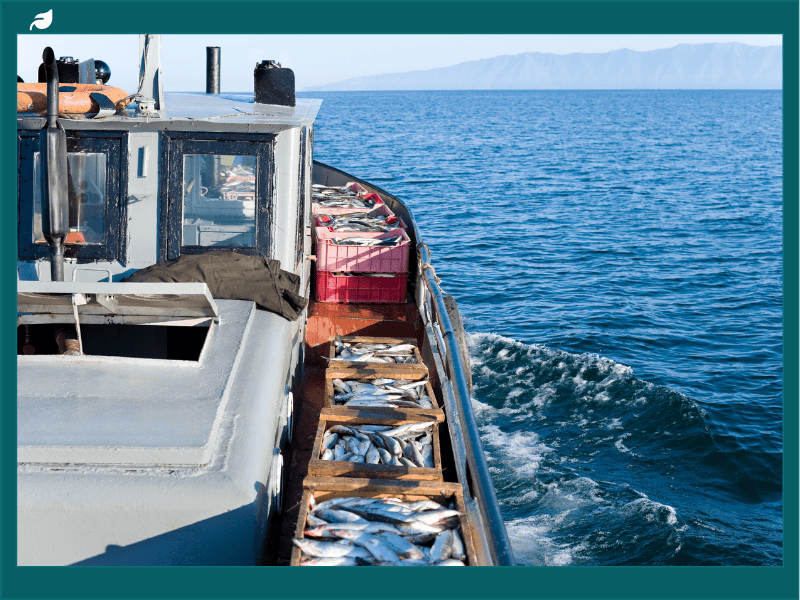
Antarctica2030 has renewed its call for stronger Southern Ocean safeguards after the Antarctic krill fishery closed on 12 August 2026, having reached its 620,000-tonne trigger catch limit. The closure came months ahead of schedule for the second consecutive year and one day after World Krill Day. The campaign group argues that the result exposes a widening divide between Antarctic conservation ambitions and current fisheries management. Its intervention focuses on restoring spatial controls, advancing an ecosystem-based approach and establishing the proposed Antarctic Peninsula Marine Protected Area.
Catch Limit Reached Early
Antarctic scientists gathered at the Scientific Committee on Antarctic Research Open Science Conference reported that fishing vessels had reached the season’s 620,000-tonne trigger catch limit. While the overall harvest represents a relatively small share of estimated krill biomass, the location and concentration of fishing activity have become central issues for conservation groups and scientists.
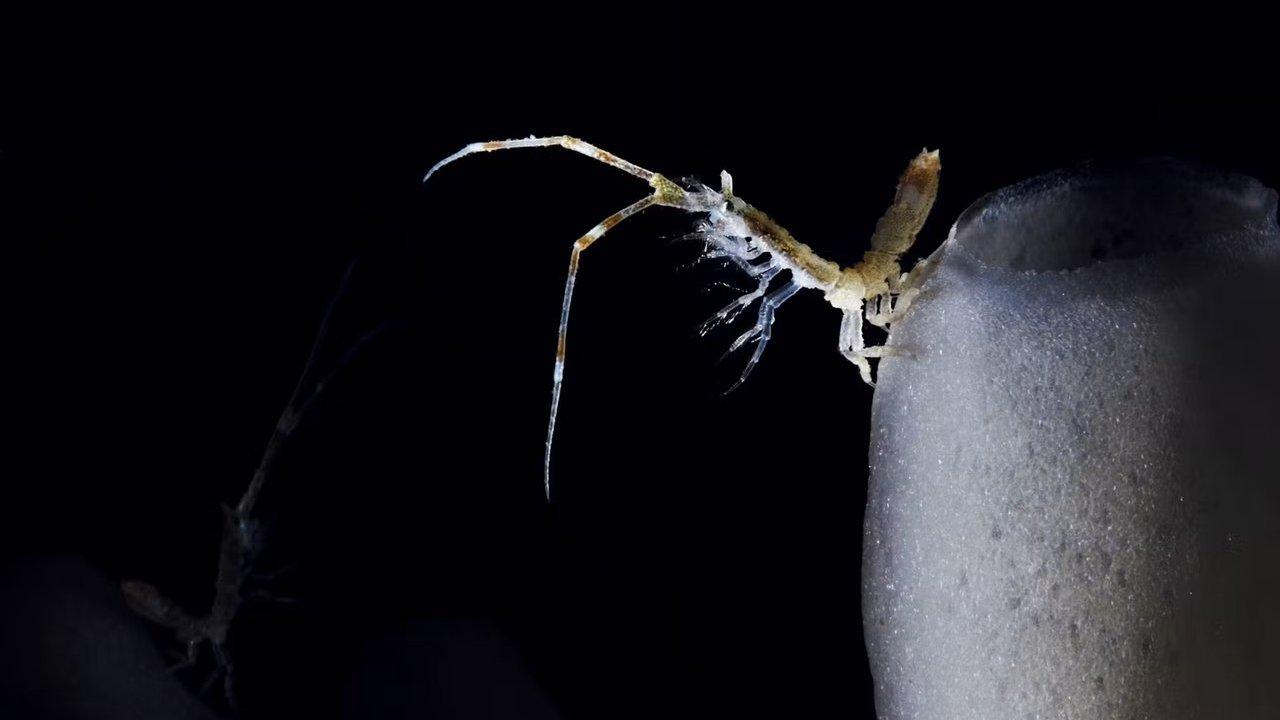
Krill sit at the base of the Southern Ocean food web, supporting penguins, whales, seals and numerous other Antarctic species. Fishing activity has become increasingly concentrated around the Antarctic Peninsula, where predators depend on dense krill aggregations during breeding and feeding periods. Antarctica2030 maintains that local depletion can require wildlife to travel farther in search of food at a time when climate change is already placing pressure on the region’s ecosystems.
José María Figueres, former President of Costa Rica and Antarctica2030 Chair, said:
“Two consecutive early closures should be a wake-up call for everyone who cares about the future of Antarctica. This is not simply about reaching a catch limit. It is about whether the international community is managing human activities in one of Earth’s last great wildernesses with the level of precaution that science demands. Antarctica is a global commons. We cannot continue short-term exploitation while the governance system struggles to keep pace with accelerating ecological change.”
Local Food Web Pressures
The Southern Ocean krill fishery primarily supplies omega-3 nutritional supplements and aquaculture feed ingredients. Over the past decade, vessels operated by Norwegian company Aker QRILL have accounted for approximately 63 per cent of the fishery’s total harvest.
Industry representatives and the Marine Stewardship Council have argued that total catches remain sustainable because they account for only a small proportion of estimated overall krill biomass. Antarctica2030’s case is that total biomass figures do not fully address the pressure created where catches occur, particularly near breeding colonies and predator foraging grounds.
The group also points to uncertainty around existing estimates of krill abundance and distribution. Current biomass assessments rely on surveys conducted before recent sea-ice loss and other rapid climate-driven changes affecting Southern Ocean ecosystems. In this context, the organisation is calling for a management system that responds to local ecological conditions as well as total catch volumes.
Lapsed Spatial Safeguards
The Commission for the Conservation of Antarctic Marine Living Resources, known as CCAMLR, previously used Conservation Measure 51-07 to distribute fishing effort across four management zones. Those safeguards expired in late 2024. CCAMLR’s Scientific Committee subsequently concluded that the resulting concentration of fishing activity was “not precautionary” and called for urgent reform, but no replacement system was agreed at the Commission’s 2025 annual meeting.
The governance gap is particularly pertinent around the Antarctic Peninsula, where krill fishing is concentrated and where a proposed Marine Protected Area has remained under consideration for years. CCAMLR members agreed in 2009 to establish a representative network of Marine Protected Areas across the Southern Ocean, yet no new MPA has been adopted since 2016.
Well-designed protected areas can provide a buffer for marine life in feeding and breeding areas by removing industrial fishing pressure from key habitats. For a region already experiencing rapid environmental change, delivering those protections would provide a more precautionary foundation for fisheries decisions.
Zac Goldsmith, former UK Environment Secretary and Antarctica2030 Champion, said:
“The whole point of Certification is to give consumers confidence that they’re part of the solution and not the problem. When the management system’s own scientific advisers acknowledge the system is falling far short, that should prompt more, not less scrutiny. This must really be a wake-up call for government members of CCAMLR. The world will not forgive continued stalling and failure.”
Certification Under Scrutiny
The early closure has also sharpened attention on the fishery’s certification status. Formal objections lodged by Antarctica and Southern Ocean Coalition and WWF to the Marine Stewardship Council’s recertification of the fishery remain under consideration.
For Antarctica2030, the discussion should extend beyond whether the fishery stays below a broad biomass threshold. It is also about the quality of governance, the independence of scientific advice and whether conservation decisions are made through transparent international processes rather than commercial interests.
Earlier this year, the International Union for Conservation of Nature listed both the emperor penguin and the Antarctic fur seal as Endangered. The release identifies declining krill availability associated with climate change as a significant factor affecting the resilience of Southern Ocean ecosystems.
A Reform Agenda For CCAMLR
CCAMLR members are due to meet later this year, and Antarctica2030 is seeking a package of decisions to restore precautionary spatial management, introduce a modern ecosystem-based krill management system and establish the long-proposed Antarctic Peninsula, or Domain 1, Marine Protected Area. The organisation also wants members to agree a roadmap for a representative system of MPAs protecting 30 per cent of the Southern Ocean by 2030.
The agenda presents an opportunity to reconnect fisheries management with the ecological realities facing Antarctic wildlife. An early catch closure can show that limits are being monitored, but Antarctica2030 argues that repeatedly reaching the limit should prompt action on where and how fishing is managed.
José María Figueres, former President of Costa Rica and Antarctica2030 Champion, said:
“The responsibility for safeguarding Antarctica rests with governments acting collectively through CCAMLR. Industry has an important role to play, but conservation outcomes must ultimately be determined through transparent, science-based international governance.”