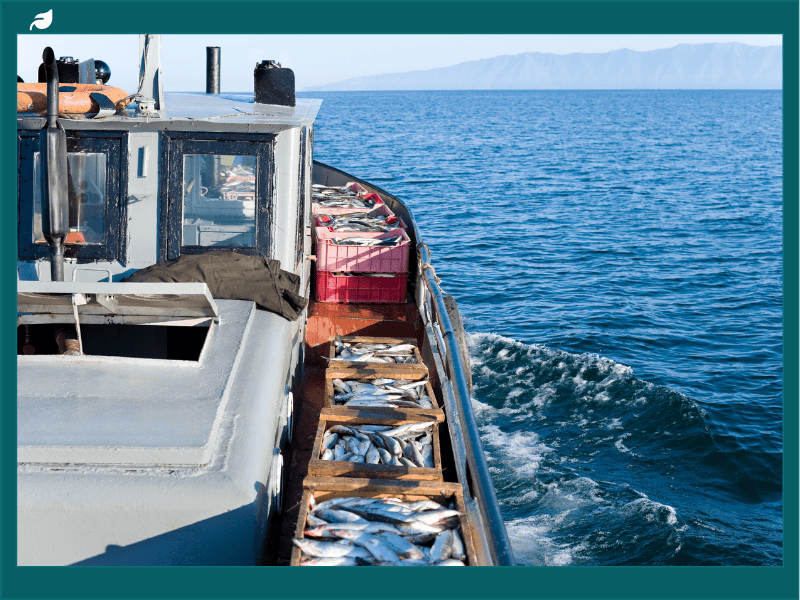
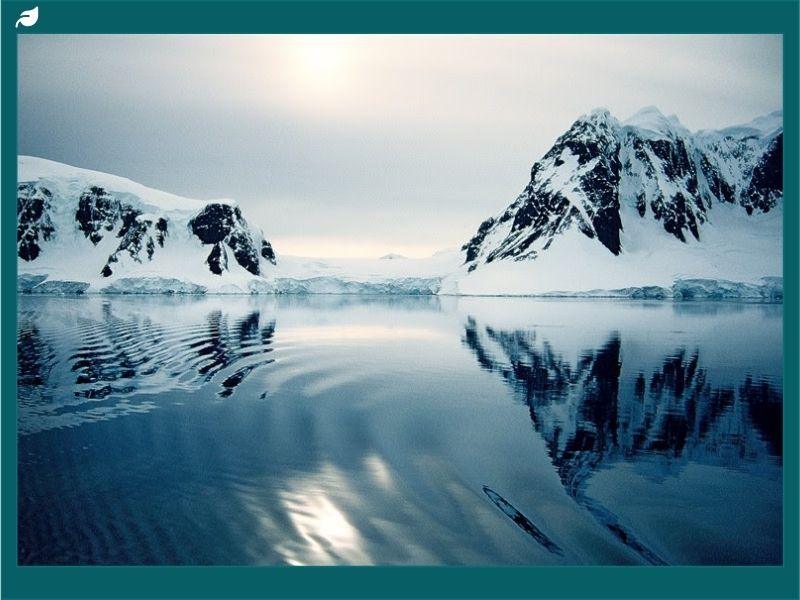
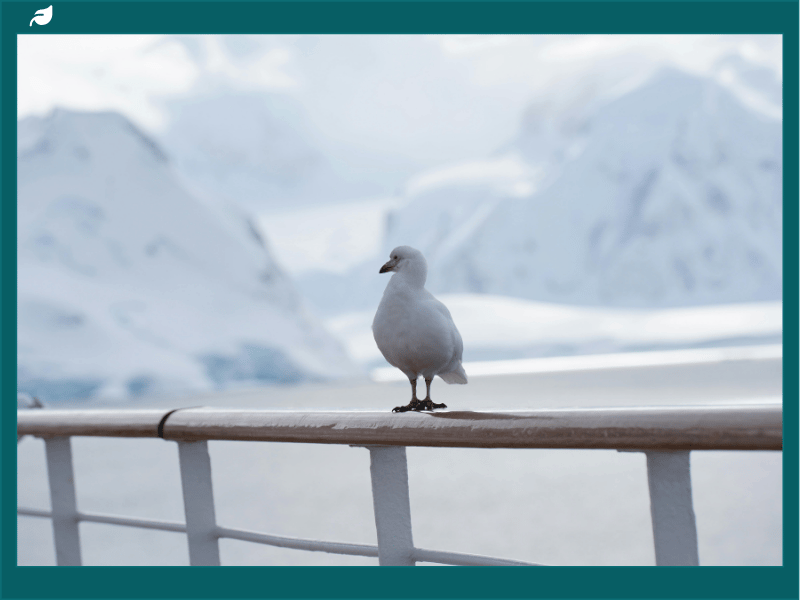
The Antarctic krill fishery is expected to close before the end of August after rapidly approaching its catch limit, marking a potential second consecutive early shutdown. Antarctica2030 says the anticipated closure follows the fishery’s first-ever trigger-limit closure in 2025, when catches reached 620,000 tonnes four months before the season’s end. The campaign is calling on the Commission for the Conservation of Antarctic Marine Living Resources, known as CCAMLR, to restore spatial safeguards and adopt ecosystem-based management. The issue brings renewed attention to the concentration of krill harvesting around the Antarctic Peninsula, where predators rely on dense krill aggregations during breeding and feeding periods.
A Second Early Shutdown
Antarctic krill form the foundation of the Southern Ocean food web, sustaining penguins, whales, seals and a wide range of other species. The fishery also supplies omega-3 nutritional supplements, aquaculture feed ingredients and pet food, placing commercial demand alongside a vital ecological function.
Last year’s closure came after the industry reached the 620,000-tonne trigger limit for the first time in the fishery’s history. The prospect of another closure in 2026 places particular focus on whether existing rules are keeping pace with the distribution of fishing activity and the needs of wildlife in the region.
Conservation groups argue that total catch figures alone do not capture the environmental risk. While catches remain below estimated overall krill biomass, scientists have highlighted the location of harvesting as a central concern, particularly where fishing overlaps with areas used by Antarctic wildlife.
Pressure Around The Peninsula
Fishing activity has increasingly concentrated around the Antarctic Peninsula, according to the media note. This is also an area where wildlife depends on abundant krill during key life stages, making the spatial pattern of industrial harvesting an important consideration for ecosystem protection.
CCAMLR Conservation Measure 51-07 had distributed fishing effort across management zones, but those safeguards expired in late 2024. No replacement management system was agreed at the Commission’s 2025 annual meeting. CCAMLR’s Scientific Committee later judged the resulting concentration of fishing effort to be “not precautionary” and called for urgent reform.
CCAMLR’s Scientific Committee stated:
“not precautionary”
The call for a more geographically responsive system reflects the practical reality of krill management. Protecting the Southern Ocean ecosystem requires attention not only to the quantity removed from the sea, but also to the availability of krill near colonies and feeding grounds used by dependent wildlife.
Climate Risks Add Uncertainty
The expected closure comes amid rapid environmental change in the Southern Ocean. Current biomass estimates are based on surveys undertaken before unprecedented Antarctic sea-ice losses and accelerating climate impacts, raising questions about how well historic assessments reflect present conditions.
Scientists continue to identify uncertainties around krill abundance, distribution and the combined effects of climate change and industrial harvesting. These concerns are particularly material for species whose resilience depends on reliable access to krill.
Earlier this year, the International Union for Conservation of Nature listed the emperor penguin and Antarctic fur seal as Endangered. The release identifies declining krill availability linked to climate change as a significant threat to Antarctic ecosystem resilience.
The interaction between changing sea-ice conditions and concentrated fishing makes precautionary management more pressing. A management model that reflects current scientific evidence could help reduce competition for krill in places and periods where marine predators are most dependent on it.
Sustainability Claims Under Review
The fishery’s sustainability credentials are also receiving fresh scrutiny. Formal objections lodged by the Antarctic and Southern Ocean Coalition and WWF remain under consideration following the Marine Stewardship Council’s announcement of recertification of the fishery.
Several of the Antarctic and Southern Ocean Coalition’s Objection Findings have been upheld by independent investigator ASI, according to the release, and await a response from the certifying body. The review process is set against claims that Antarctic krill harvesting offers a global model of sustainable fishing.
Aker QRILL vessels have harvested approximately 63% of the fishery’s total catch over the past decade, underlining the importance of robust sector-wide governance for a fishery with substantial ecological and commercial relevance.
October Decisions For Southern Ocean Protection
CCAMLR members are due to meet in October, with campaigners seeking agreement on several measures. These include restoring precautionary spatial management, establishing a modern ecosystem-based management system and creating the long-proposed Antarctic Peninsula, or Domain 1, Marine Protected Area.
Antarctica2030 is also calling for a clear, time-bound route towards a representative system of marine protected areas by 2030, with the aim of reaching 30% protection of the Southern Ocean. Its proposals emphasise independent science and intergovernmental governance as the basis for conservation decisions.
The approaching closure offers a clear test of the current framework. With a second early shutdown in prospect, October’s CCAMLR meeting will be an important opportunity to consider whether spatial safeguards, ecosystem-based management and marine protection can provide a stronger response to the pressures facing Antarctic krill and the wildlife that depends on it.