Alsico, one of the largest producers of workwear in Europe, has successfully developed its first fully circular garment. This marks a massive step towards a closed-loop future with the textiles industry. A circular economy represents an ideal of recycling, where every resource is reused, and new materials are not required for the economy to function.
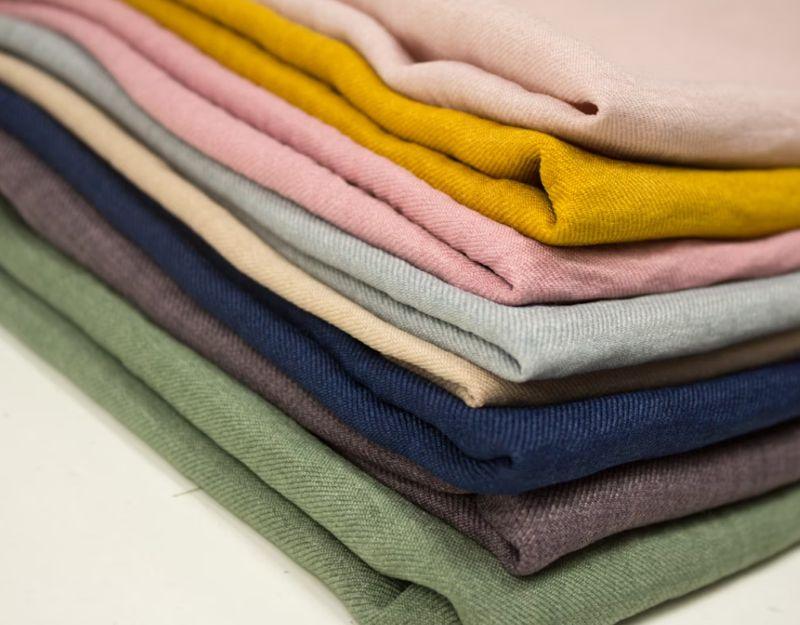
Partnering with advanced recycler Sixone and following extensive research, Alsico has developed a method of transforming worn garments into high-quality polyester chips. This creates new fabrics made from recycled sources and so removes any need for virgin, fuel-based polyester.
The truly remarkable implication is that in an industry dominated by landfill waste, textiles not only have a circular solution, but the solution is scalable. Alsico is one of the first in Europe to offer a practical model for sustainable workwear production. The quality of the recycled textiles matches Alsico standards, meaning a truly circular mode of production is possible.
Vincent Siau, head of the Alsico Academy, shared: “Our ambition is to create a fully integrated, circular supply chain, where Alsico garments are collected, recycled and reborn as new Alsico products. This process is incredibly important to ensure that we can keep wearers across a broad range of industries protected and comfortable every day, while truly managing the impact of our solutions on the environment.”
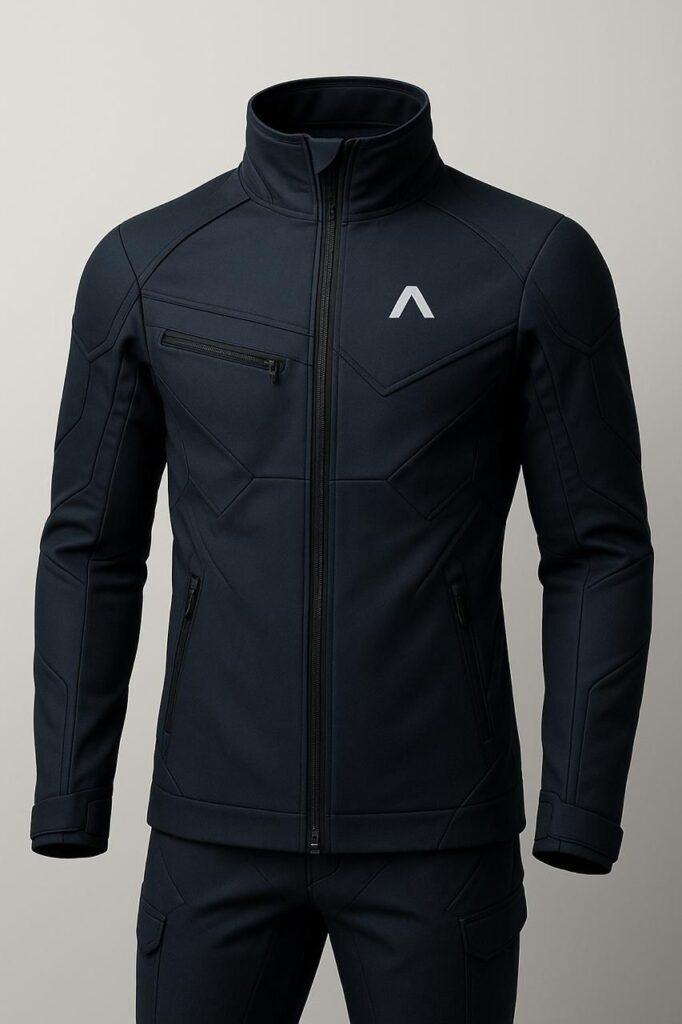
“The successful creation of our first material and finished garment using the polyester chips from our partnership with Sixone is an enormous achievement, and one that confirms we can make circularity a standard in the textiles industry.”
The circular initiative falls under the ARX initiative, which is responsible for the company’s push on rework, repair & care, and recycling. The program also includes Alsico’s sustainability targets, including phasing out virgin fossil fuel-based materials and achieving 90% preferred fibers across its product portfolio by 2040, with an interim target of 40% by 2030.
Through its coordination with strategic partners, Alsico has been able to use cutting-edge technologies to develop these new industrial methods, such as the utilization of AI-based molecular analysis. This eliminated the problem represented by mixed fibers in the recycling process. In terms of sustainability, the fabric developed may contribute to a 60% reduction in emissions, a 64% reduction in energy use, and a 40% reduction in water use.
Continuing, Vincent Siau added, “Our finished garment is a huge indicator for Alsico that we are making critical progress, and we can’t wait to share it at A+A in November. However, to meet the growing global demands for transparency, accountability, and sustainable products, the academy’s work must continue. This means further testing of our recycling processes, but also demonstrating progress across our supply chain, and demonstrating that in 2025, circularity is not only possible but critical for the future of the industry.
A circular economy represents an ideal of exchange, where no new resources are required to maintain growth. Rather, what we have is recycled into what we need, without the involvement of virgin materials. The latest techniques developed by Alsico show how such an ideal is practical, scalable, and competitive.