The construction industry is under increasing pressure to reduce its environmental footprint, and roofing has become an important part of that conversation. A roof does far more than protect a building from rain, wind, and sunlight. The materials used, how a roof is installed, and what happens at the end of its life all influence energy consumption, carbon emissions, and construction waste. As governments, businesses, and homeowners pursue more sustainable building practices, roofing systems are evolving from simple protective structures into long-term environmental investments.
Traditional roofing methods have often prioritized cost and durability while overlooking their ecological impact. Millions of tons of roofing materials are discarded every year, placing significant pressure on landfills and increasing demand for new raw materials. Fortunately, advances in sustainable roofing technologies are changing this pattern. Recycled materials, reflective roof coatings, improved insulation, and responsible waste management are helping reduce environmental impacts without sacrificing performance.
Why Roofing Plays a Critical Role in Sustainability
When discussing sustainable construction, attention often focuses on insulation, windows, or renewable energy systems. Roofing, however, influences nearly every aspect of a building’s environmental performance. The roof is the first barrier against solar radiation, precipitation, and changing weather conditions. Its design directly affects indoor temperatures, heating and cooling requirements, and the lifespan of the entire structure. These sustainability principles are increasingly influencing roofing projects in rapidly growing communities, where professionals such as Roofers Frisco TX are seeing greater demand for energy-efficient materials and environmentally responsible installation practices.
A poorly designed roof can increase energy demand by absorbing excessive heat during summer or allowing heat to escape during winter. These inefficiencies lead to greater electricity and fuel consumption, contributing to higher greenhouse gas emissions over time. By contrast, sustainable roofing systems improve thermal performance, reduce energy waste, and extend the service life of both roofing materials and the building itself.
The Hidden Environmental Cost of Traditional Roofing Materials
Many conventional roofing products have delivered reliable protection for decades, but they also carry environmental costs that are often overlooked. Asphalt shingles remain one of the most widely used roofing materials because they are relatively affordable and easy to install. However, their production depends heavily on petroleum-based products and energy-intensive manufacturing processes.
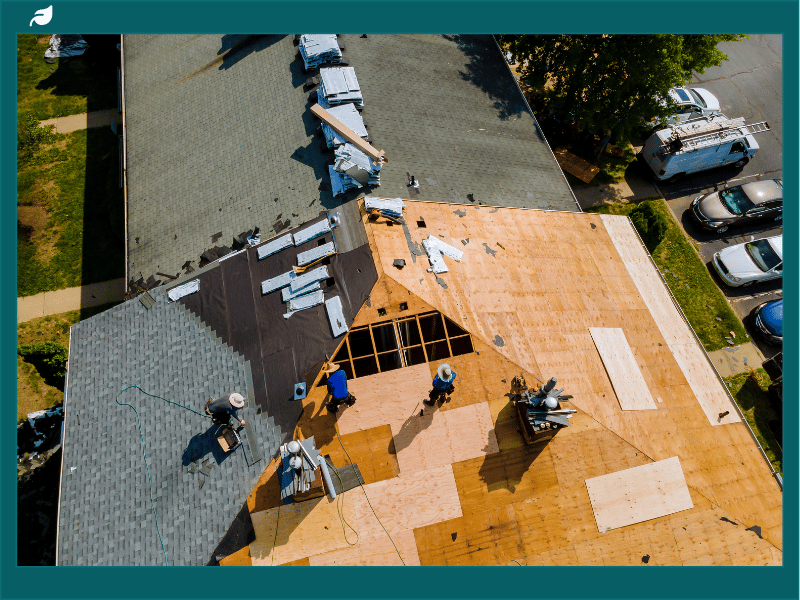
When roofs reach the end of their lifespan, large quantities of discarded shingles are sent to landfills. This creates long-term waste management challenges while increasing demand for newly manufactured materials. Frequent roof replacement also requires additional transportation, labor, and construction resources, further increasing carbon emissions.
Manufacturing roofing materials consumes significant amounts of natural resources, including minerals, metals, water, and fossil fuels. Every stage, from mining raw materials to transporting finished products, contributes to the environmental footprint of a roofing project.
Sustainable Roofing Materials for Long-Term Performance
Modern sustainable roofing solutions offer a balance between environmental responsibility, durability, and long-term economic value. Rather than selecting materials based only on upfront cost, many building owners now evaluate lifecycle performance, maintenance requirements, recyclability, and energy efficiency.
Metal roofing has become one of the strongest sustainable options available. Many metal roofing products contain recycled material and can be fully recycled when eventually replaced. Their long service life, often several decades, reduces the frequency of replacement projects while minimizing construction waste.
Clay and concrete tiles also provide exceptional durability. Although manufacturing these products requires energy, their extended lifespan often offsets much of their environmental impact by reducing replacement frequency.
How Cool Roof Technology Improves Energy Efficiency
Among the most significant developments in sustainable construction is the adoption of cool roof technology. Unlike conventional roofing materials that absorb large amounts of solar radiation, cool roofs are designed to reflect more sunlight and release absorbed heat more efficiently. This helps keep buildings cooler, particularly in regions that experience long periods of high temperatures.
Lower roof temperatures can reduce the demand for air conditioning, decreasing electricity consumption and lowering greenhouse gas emissions associated with power generation. Commercial buildings with large roof surfaces often experience the greatest savings, but residential properties can also benefit through improved indoor comfort and reduced cooling costs.
Recycling Roofing Materials and Supporting the Circular Economy
Construction and demolition activities generate substantial amounts of waste each year, and roofing materials account for an important share of that total. Historically, much of this material ended up in landfills, but growing interest in circular economy principles is changing how the industry approaches roof replacement.
Asphalt shingles provide one of the clearest examples. Instead of being discarded, removed shingles can often be processed and incorporated into road paving materials, helping reduce the demand for virgin asphalt while diverting waste from landfill. This approach conserves natural resources and extends the useful life of materials that would otherwise become waste.
Choosing Roofing Contractors Who Prioritize Sustainability
Even the most environmentally friendly roofing materials may fail to deliver their full benefits if they are installed without proper planning or responsible construction practices. For this reason, selecting a contractor who values sustainability is just as important as choosing sustainable products.
A responsible roofing contractor considers the environmental impact of every stage of the project. This includes accurately estimating materials to reduce waste, sourcing products from reputable manufacturers, protecting surrounding landscapes during construction, and recycling materials whenever practical.
Transparency also plays an important role. Contractors should clearly explain the environmental characteristics of different roofing options, including expected lifespan, maintenance requirements, energy performance, and recycling opportunities.
Frequently Asked Questions
What makes a roof sustainable?
A sustainable roof is designed to minimize environmental impact throughout its lifecycle. This includes using durable or recycled materials, improving energy efficiency, reducing waste during installation, and supporting recycling when the roof reaches the end of its service life.
Are sustainable roofing materials more expensive?
Some sustainable materials have higher upfront costs, but many provide long-term financial benefits through greater durability, lower maintenance requirements, and reduced energy bills. Evaluating lifecycle costs often provides a more accurate measure of value than considering installation costs alone.
Can old roofing materials be recycled?
Yes. Many roofing materials, including metal roofing and asphalt shingles, can be recycled through specialized facilities. Recycling helps conserve natural resources, reduces landfill waste, and supports a more circular construction industry.
How do cool roofs benefit the environment?
Cool roofs reflect more sunlight and absorb less heat than conventional roofs. This reduces cooling demand inside buildings, lowers electricity consumption, decreases greenhouse gas emissions associated with power generation, and helps reduce the urban heat island effect.
Conclusion
Sustainable roofing is no longer simply an environmental preference—it has become an important component of responsible building design and long-term asset management. Every decision, from selecting roofing materials to installation methods and end-of-life recycling, influences a building’s energy performance, carbon footprint, and overall environmental impact. By adopting durable materials, embracing cool roof technologies, supporting recycling initiatives, and working with contractors committed to responsible construction practices, property owners can significantly reduce both operating costs and resource consumption.
As climate challenges continue to shape the future of the built environment, roofing will play an increasingly important role in creating resilient, energy-efficient buildings. Investments in sustainable roofing deliver benefits that extend beyond individual properties by reducing waste, conserving natural resources, and supporting healthier communities. Whether for residential, commercial, or public buildings, thoughtful roofing decisions represent a practical opportunity to combine long-term economic value with meaningful environmental responsibility. As innovation continues across the construction industry, sustainable roofing will remain a key contributor to a more resilient and low-carbon future.