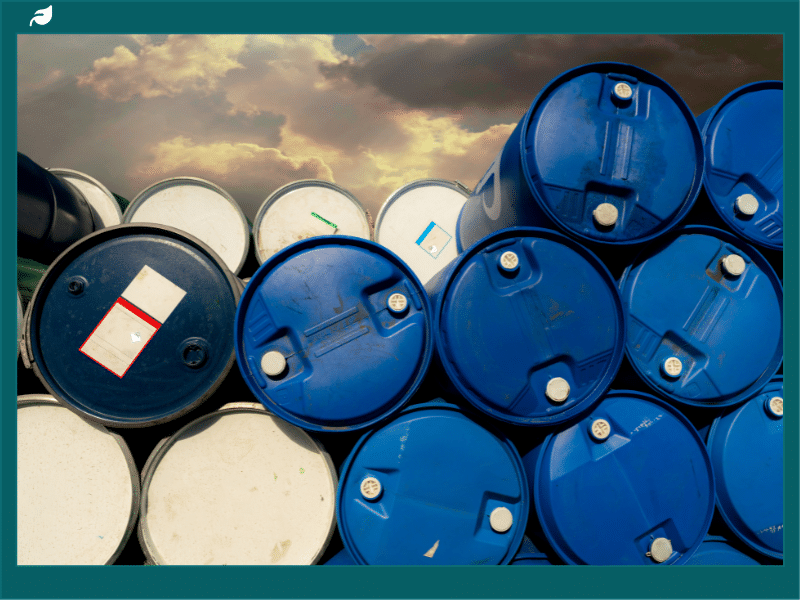
Industrial operations generate a significant volume of packaging waste every year, including steel drums, plastic containers, intermediate bulk containers (IBCs), and fiber packaging. As businesses face increasing pressure to reduce environmental impact and comply with stricter regulations, sustainable waste management practices have become a critical part of responsible business operations. One area receiving growing attention is sustainable drum recycling, which helps companies reduce landfill waste, conserve resources, and support circular economy initiatives.
Organizations across manufacturing, chemical processing, pharmaceuticals, food production, and other industrial sectors rely on specialized waste management partners to handle used containers safely and responsibly. Companies such as Kelly Drums provide services that include the pickup, recycling, reconditioning, and destruction of steel, poly, and fiber drums, IBC totes, and Gaylord boxes. By supporting industrial clients throughout the Mid-Atlantic region, they help businesses maintain regulatory compliance, manage hazardous materials responsibly, and contribute to environmentally responsible disposal and recovery practices.
The Environmental Challenge of Industrial Containers
Industrial containers are designed for durability and safety, often transporting chemicals, oils, food ingredients, and other materials essential to modern supply chains. However, once these containers reach the end of their useful life, improper disposal can create significant environmental challenges.
Discarded drums and containers can occupy valuable landfill space, while improperly handled hazardous residues may pose risks to soil, water sources, and local ecosystems. As environmental regulations continue to evolve, businesses are increasingly expected to adopt responsible waste management strategies that minimize these risks while promoting resource recovery.
This shift has encouraged many organizations to move beyond traditional disposal methods and explore sustainable alternatives that align with broader environmental goals.
Understanding Sustainable Drum Recycling
At its core, sustainable drum recycling focuses on extending the useful life of industrial containers whenever possible and ensuring materials are recovered responsibly when reuse is no longer feasible.
The process may involve:
- Collection and transportation of used containers
- Inspection and sorting based on condition and material type
- Cleaning and decontamination
- Reconditioning for reuse
- Material recycling and recovery
- Safe destruction of containers that cannot be reused
By prioritizing reuse and recycling over disposal, businesses can significantly reduce waste generation and lower their environmental footprint.
Supporting the Circular Economy
The concept of a circular economy is gaining momentum across industries worldwide. Unlike the traditional “take-make-dispose” model, a circular economy emphasizes keeping materials in productive use for as long as possible.
Reconditioned drums and containers play an important role in this approach. When a steel drum or IBC tote can be cleaned, inspected, and returned to service, fewer new containers need to be manufactured. This helps reduce raw material consumption, energy use, and greenhouse gas emissions associated with production processes.
Even when containers cannot be reused, recycling programs enable valuable materials such as steel, plastic, and fiber to be recovered and reintroduced into manufacturing supply chains.
Regulatory Compliance and Responsible Waste Management
Environmental compliance remains a major concern for industrial facilities. Companies handling chemicals, hazardous materials, or regulated waste streams must follow strict federal, state, and local requirements regarding storage, transportation, treatment, and disposal.
Specialized container management services help businesses navigate these complex requirements while reducing operational risks. Proper documentation, container tracking, residue management, and certified recycling processes all contribute to stronger compliance programs.
By implementing structured recycling and recovery systems, organizations can demonstrate their commitment to responsible environmental stewardship while protecting workers, communities, and natural resources.
The Role of Specialized Service Providers
Effective industrial recycling requires expertise, infrastructure, and regulatory knowledge. Service providers with experience in container recovery can help businesses identify opportunities to reduce waste while improving operational efficiency.
Services often include container collection, cleaning, reconditioning, recycling, and certified destruction. These programs allow companies to manage diverse packaging streams through a single coordinated process, simplifying waste management efforts and improving sustainability outcomes.
The growing demand for these services reflects a broader recognition that waste should be viewed not merely as a disposal challenge but as a resource management opportunity.
Looking Ahead
As industries continue to pursue sustainability goals, sustainable drum recycling will remain an important component of responsible business practices. Companies are increasingly seeking solutions that reduce waste, improve resource efficiency, and support compliance with environmental regulations.
By embracing recycling, reconditioning, and circular economy principles, businesses can move beyond basic waste disposal and contribute to more sustainable industrial systems. Whether through container reuse, material recovery, or improved hazardous waste management, these efforts help create measurable environmental benefits while supporting long-term operational resilience.
In an era where sustainability is becoming a business imperative, responsible container management demonstrates how practical environmental action can align with economic efficiency and regulatory responsibility.