Bradford College has achieved a major sustainability milestone with its new £19.3 million Junction Mills development, earning Morgan Sindall Construction’s highest platinum certification for carbon savings. In 2025, it was the only project across the entire Yorkshire region to reach this level, underlining the College’s growing reputation as a leader in low-carbon construction and sustainable education infrastructure.
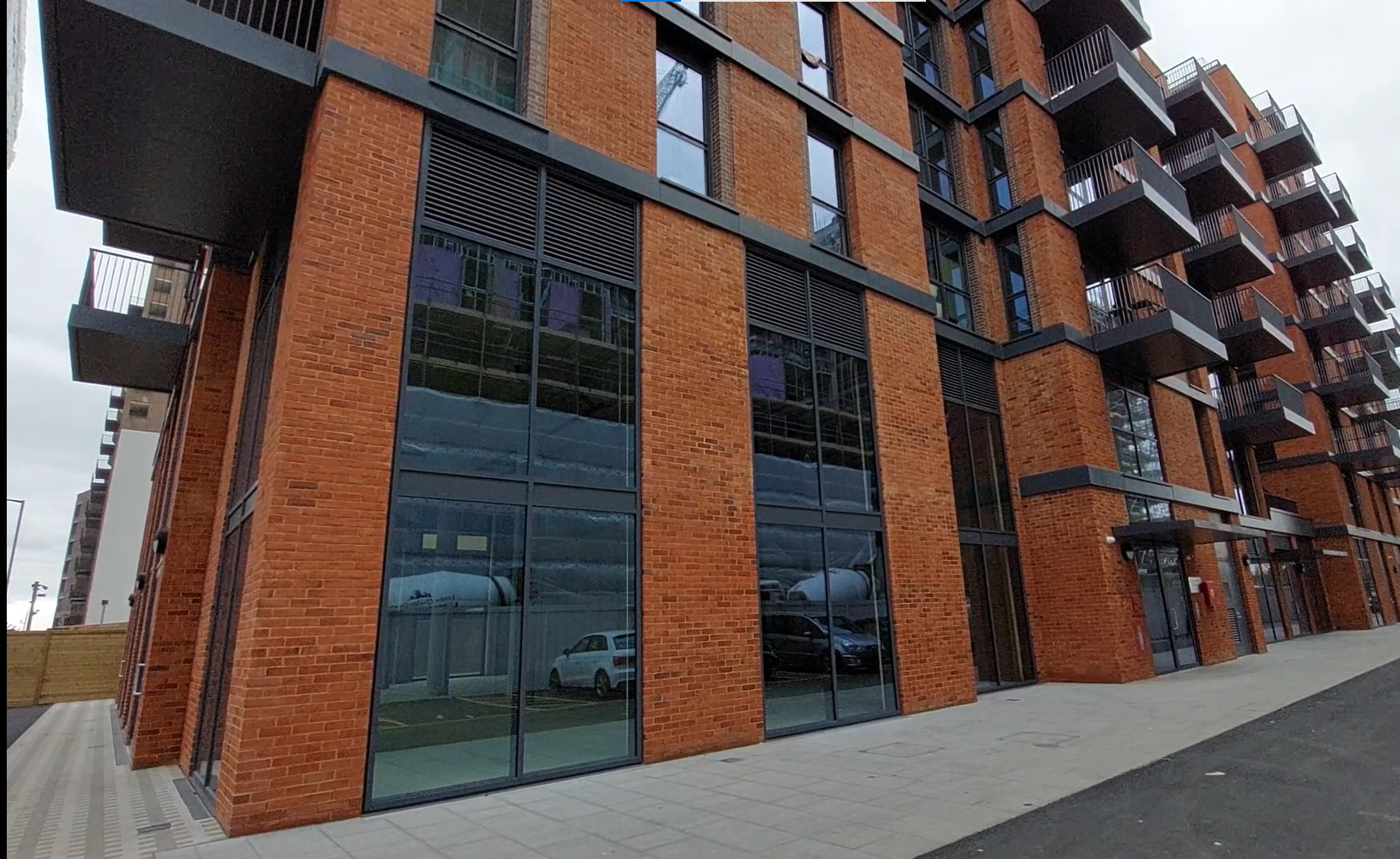
The four-storey Junction Mills building, located on Thornton Road, has already saved an impressive 473 tonnes of carbon during its design and construction phases. That saving is equivalent to the annual heating emissions of around 175 UK homes, a tangible illustration of how careful planning, design optimisation and construction innovation can significantly reduce the environmental impact of new developments.
As the UK education sector faces increasing pressure to decarbonise estates while expanding facilities for future skills, the Junction Mills project demonstrates how sustainability can be embedded from the outset rather than treated as an afterthought.
Embedding sustainability from design to delivery
The platinum certification was awarded by Morgan Sindall Construction in recognition of both the volume of carbon saved and the robust evidence produced throughout the project. Central to this achievement was Morgan Sindall’s “Intelligent Solutions” approach, which prioritises data-driven decision-making and whole-life carbon reduction.
A key tool in this process was CarboniCa, Morgan Sindall’s proprietary carbon reduction platform. CarboniCa measures whole-life carbon emissions across design, construction and the full lifecycle of a building, enabling project teams to test design options and materials choices early on and select the lowest-carbon solutions without compromising functionality or quality.
Through this process, the Junction Mills project team implemented a series of targeted design and material optimisations that collectively delivered substantial carbon savings. These included:
- Changing the rear external cladding, saving 69 tonnes of carbon
- Replacing internal blockwork walls with plasterboard partitions, saving 57 tonnes
- Using cement replacement in the concrete pile foundations, saving 57 tonnes
- Selecting steel produced via Electric Arc Furnaces (EAF) for the structural framework, delivering the largest saving of 290 tonnes
Together, these decisions highlight how incremental changes, when applied systematically, can lead to major reductions in embodied carbon.
Modern Methods of Construction in action
Sustainability was also enhanced through the use of Modern Methods of Construction (MMC). Precast elements such as lift shafts and stair cores were manufactured off-site, improving build quality and efficiency while reducing waste, transport emissions and on-site disruption.
Pamela Sheldon, Head of Projects at Bradford College, said sustainability had been central to every stage of the development.
“Sustainability has been embedded into every stage of this project,” she explained. “Precast elements such as lift shafts and stairs have been manufactured off-site using Modern Methods of Construction to improve efficiency, quality and sustainability in the building’s construction.
“This new facility represents a significant leap in how we equip young people with the skills needed for a low-carbon economy, so it is fitting that a building dedicated to low-carbon skills should be constructed with sustainability at its core.”
The approach aligns the building’s physical performance with its educational purpose, reinforcing sustainability not only as a design principle but as a lived learning experience for students.
A hub for low-carbon and advanced skills
Set to open later this year, Junction Mills will play a central role in Bradford College’s estates and curriculum strategy. The facility has been designed to support teaching and training in new and emerging technologies, including modern automotive engineering, electric and hybrid vehicles, digital engineering and advanced manufacturing.
As the UK accelerates its transition to net zero, demand for skills in low-carbon technologies continues to grow. Junction Mills is intended to help address this skills gap, supporting both local learners and the wider regional economy in West Yorkshire.
By delivering the building itself with significantly reduced carbon emissions, Bradford College is reinforcing the message that sustainability must be embedded across systems, from education and skills to the infrastructure that supports them.
Recognition beyond carbon savings
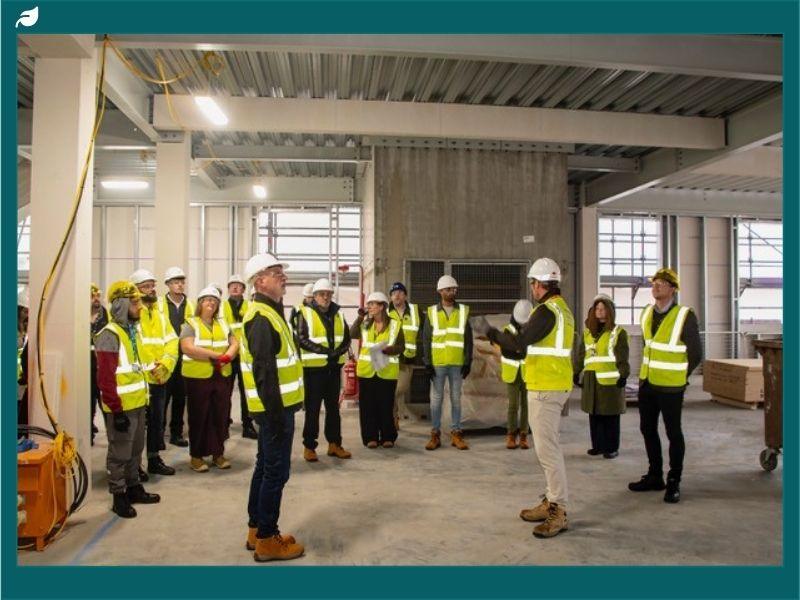
In addition to the platinum certification, the Junction Mills project achieved a full score under the Considerate Constructors Scheme’s “Care for the Environment” category. This recognises efforts not only to minimise environmental impacts during construction, but also to enhance the natural environment and demonstrate responsible site management.
As part of the platinum award, Morgan Sindall has also provided Bradford College with £5,000 to invest in a further sustainability project, helping extend the benefits of the development beyond the building itself.
Ben Hall, Morgan Sindall’s Area Director for Yorkshire, said the project showed what was possible when sustainability was prioritised from day one.
“Achieving platinum certification on the Junction Mills development demonstrates what is possible when sustainability is embedded from the outset of a project,” he said. “By applying our Intelligent Solutions approach and working collaboratively with Bradford College, we’ve delivered significant whole-life carbon savings while creating a highly functional, future-focused learning environment.
“Junction Mills will leave a lasting legacy for students, the College and the wider West Yorkshire region, and it’s a project we’re immensely proud to be part of.”
Part of a wider sustainable estates strategy
Junction Mills sits at the heart of Bradford College’s ambitious estates strategy. Over the past two years, the College has secured nearly £32 million in funding to modernise and expand its campuses, with a strong emphasis on sustainability, digital capability and future workforce needs.
The Junction Mills project was made possible through £17.8 million from the Department for Education’s Further Education Capital Transformation Fund, alongside a £1.5 million contribution from the College itself.
Other recent developments include the opening of Garden Mills, a flexible digital, science and allied health training facility for higher-level students, and newly remodelled T Level training facilities for business, media, catering, and hair and beauty.
Together, these investments reflect a strategic approach that links capital development with regional economic growth, social mobility and environmental responsibility.
A model for sustainable education buildings
As further education providers across the UK grapple with ageing estates, rising energy costs and the need to align with national net-zero targets, the Junction Mills development offers a compelling case study. It shows that high-performance, future-focused learning environments can be delivered with substantially lower embodied carbon when sustainability is integrated into decision-making from the earliest stages.
For Bradford College, the platinum certification is more than an accolade. It is a signal that low-carbon construction, skills development and educational ambition can – and should – go hand in hand.