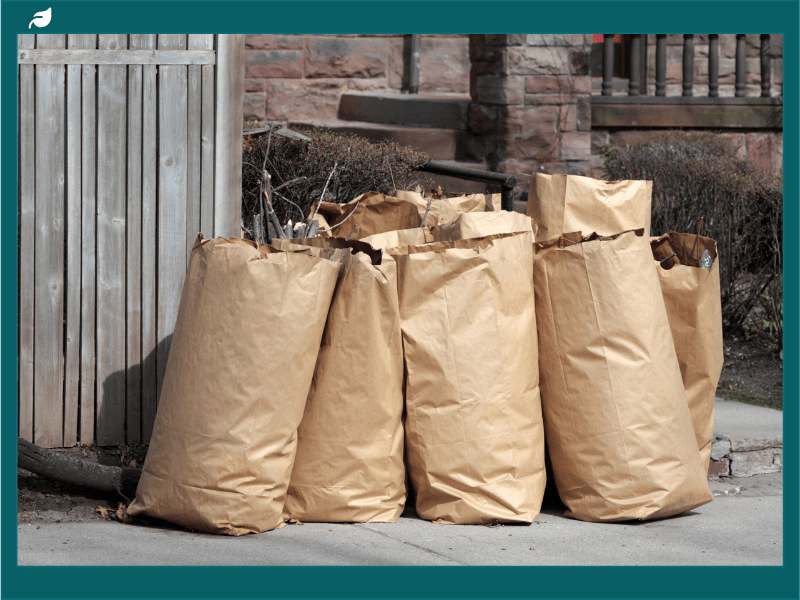
Sustainability in the kitchen goes beyond what you eat; it also includes how you handle waste. Biodegradable garbage bags help reduce plastic waste and support a healthier environment.
Made from materials like cornstarch, these bags break down naturally and have less impact on landfills. This guide looks at the top biodegradable options, highlighting their materials, recyclability, and practical benefits. Choosing these bags is a simple way to make your kitchen routine more eco-friendly.
Understanding the Composition of Biodegradable Garbage Bags
What biodegradable garbage bags are made of is key to how well they work and their effect on the environment. These bags use materials that break down faster than regular plastic. Biodegradable plastics, in particular, help make waste management more sustainable.
By looking at what goes into these bags and comparing them to traditional options, we can see how they help reduce waste and support a healthier environment. This information helps you choose the right trash bags for a greener kitchen.
What Are Biodegradable Bags Made Of?
Biodegradable bags are made from materials that break down naturally with the help of microorganisms. These materials often come from renewable sources like corn starch, potato starch, or other organic waste. Under the right conditions, such as in soil or compost, these bags decompose into water, carbon dioxide, and biomass much faster than regular plastic bags.
This helps reduce the amount of waste that ends up in landfills. Biodegradable plastics, which are the main material in these bags, have clear benefits over regular plastic. Traditional plastics can take hundreds of years to break down and cause pollution.
Biodegradable bags, on the other hand, are designed to decompose quickly and don’t leave behind harmful residues. Using plant-based materials like bio-plastics makes these bags even better for the environment.
The transition to biodegradable garbage bags signifies a shift towards sustainable living practices. By choosing waste bags tailored from materials that reduce reliance on petrochemicals, we not only contribute to decreased carbon emissions but also support the adoption of greener technologies.
Furthermore, as consumer awareness of pollution’s impact on biodiversity grows, the preference for compostable and biodegradable products increases, driving further innovation in packaging. This change reflects a growing consensus on the importance of eco-conscious contributions to environmental preservation through responsible waste disposal methods.
Comparing Biodegradable Plastic to Traditional Materials
When contrasting biodegradable plastics with traditional materials, the differences in environmental footprint become starkly apparent. Traditional plastic bags, generally manufactured from polyethylene, are resistant to degradation, leading to persistent pollution and threats to wildlife, as they often end up in oceans and landfills for centuries.
In contrast, biodegradable garbage bags are crafted from polymers designed to break down into safer compounds. This fundamental composition change marks a significant step toward mitigating the impact of human activities on the environment.
One notable aspect of biodegradable plastics is their ability to integrate into natural cycles more seamlessly than conventional plastics. While traditional materials accumulate and disrupt ecosystems, biodegradable options are engineered to disintegrate when exposed to environmental elements like sunlight, moisture, and microbial activity.
This property not only reduces long-term waste but also supports soil health when these materials decompose, releasing nutrients back into the earth. This capability is particularly advantageous for biodegradable bin liners and trash bags used in waste segregation, as it simplifies the composting process and enhances overall waste management efficacy.
Moreover, the rise of bioplastic innovation is a testament to efforts aimed at refining the balance between human needs and environmental stewardship. With a focus on using crops such as corn, potato, and sugarcane to create biodegradable waste bags, the industry is moving away from petroleum-based resources.
This evolution results in a reduced carbon footprint, embracing eco-friendliness and sustainability. As more consumers become environmentally conscious, the demand for trash bags made from biodegradable plastics is expected to rise, reinforcing the role of these materials in promoting a cleaner, greener planet.
The Role of Bags in Managing Biodegradable Waste
Managing biodegradable waste effectively requires solutions that align closely with sustainability goals. Biodegradable garbage bags play a crucial role by ensuring proper waste segregation, minimizing landfill impact, and facilitating composting efforts.
The progression of biodegradable bag technology highlights innovative approaches undertaken to address kitchen waste. This section explores how these bags enable systematic waste segregation and examines the latest innovations designed specifically for kitchen use, emphasizing their role in mitigating environmental impact.
How Biodegradable Bags Help in Waste Segregation
Biodegradable garbage bags are essential tools in the effective segregation of waste, particularly in household and kitchen environments, where waste variety demands meticulous sorting. These bags serve as an initial, critical step in ensuring that different types of waste, especially organic waste, are correctly identified and processed.
When biodegradable waste can be easily segregated thanks to color-coded biodegradable waste bags, it helps simplify the sorting process, directly promoting efficient recycling endeavors and enhancing compostable material recovery. Their clear labelings, such as “compostable” or “biodegradable,” eliminate confusion, ensuring that organic waste reaches facilities where it can be processed optimally, rather than being relegated to landfills.
In waste segregation, using the right type of biodegradable bin liners can dramatically ease the burden on waste management systems. These biodegraUsing the right biodegradable bin liners makes waste sorting much easier for everyone. These bags help dispose of organic waste in a way that supports sustainability.
Unlike regular plastic bags, they don’t create harmful microplastics as they break down. Encouraging more people to use biodegradable options helps make recycling organic waste simpler and reduces the overall impact on the environment.cilitating the separation of biodegradable trash from non-compostable items, these bags not only further recycling efforts but also provide input material for composters, enriching soil quality through natural processes.
This closed-loop system, wherein waste generated ultimately contributes back to the environment as biomass, is a key component of sustainable living. Hence, choosing biodegradable waste bags helps reinforce the entire ecosystem, ensuring that waste management remains an effective pillar of environmental conservation.
Biodegradable Bags in Waste Segregation
- Promote effective sorting of organic waste through clear labeling.
- Align disposal methods with sustainable practices by breaking down naturally.
- Avoid harmful microplastics, unlike traditional plastic options.
- Enhance recycling efforts by facilitating waste separation.
- Support composting processes, improving soil quality.
- Contribute to a closed-loop waste lifecycle.
- Reduce the overall environmental footprint.
These points show how biodegradable bags play an important role in making waste management more sustainable.
Innovations in Biodegradable Garbage Bags for Kitchen Use
The development of biodegradable garbage bags specifically designed for kitchen use marks a significant leap forward in consumer waste management solutions. These eco-friendly innovations address the unique challenges posed by kitchen trash, which includes a high concentration of organic waste often riddled with moisture and variable pH levels.
As such, the latest biodegradable kitchen waste bags are engineered not only to contain but also enhance the degradation process through advanced materials science. Utilizing state-of-the-art biodegradable plastics, these bags withstand the typical kitchen waste conditions that can accelerate decomposition inside controlled environments, such as compost bins.
In the quest to improve the performance of biodegradable trash bags, manufacturers are experimenting with various combinations of plant-based materials and innovative polymers. This experimentation has yielded compostable garbage bags that offer To make biodegradable trash bags better, manufacturers are trying different mixes of plant-based materials and new polymers.
This has led to compostable bags that are stronger and less likely to tear, while still being eco-friendly. Some bags combine biodegradable plastics with compostable resins, making them both tough and quick to break down in compost. These improvements help more people feel confident about switching from regular plastic bags.ces can scan to gain insights into the degradation progress, enhancing transparency in waste processing.
This information is invaluable for understanding how biodegradable garbage aligns with recycling and composting timelines, providing consumers and waste managers alike with data to optimize both household and municipal waste strategies. Thus, the convergence of technology and sustainability in kitchen waste solutions exemplifies how innovation continues to redefine biodegradable waste handling, bringing it ever closer to full environmental integration.
Here are some key benefits that make biodegradable garbage bags a great choice for your kitchen:
- Offer improved decomposition rates without sacrificing strength or durability.
- Reduce the environmental footprint by utilizing renewable plant-based materials.
- Minimize leakage and odor, effectively containing messy organic waste.
- Align with municipal waste processing systems for seamless integration.
- Enable detailed waste tracking through embedded smart technologies.
- Enhance consumer confidence with transparency in waste decomposition.
- Support sustainability goals with efficient, eco-friendly design.
These benefits show how biodegradable kitchen bags are helping to make waste management greener.

Recyclability and Environmental Impact of Bags: Biodegradable
Biodegradable garbage bags are a step forward for eco-friendly waste management, helping us use less plastic and send less to landfills. To see how effective they really are, it’s important to look at how recyclable they are and what impact they have on the environment.
Many of these bags claim to be compostable, but it’s worth checking if they actually break down as promised. By looking at how they fit into recycling systems and how much waste they help reduce, we can better understand their real benefits and any downsides.
Are Biodegradable Garbage Bags Truly Eco-Friendly?
The eco-friendly promise of biodegradable garbage bags is largely hinged on their ability to decompose, offering a more sustainable alternative to traditional plastic garbage bags. However, the question remains: do they deliver on this promise under real-world conditions?
Not all biodegradable plastics break down effectively in natural environments, as they require specific conditions such as heat, moisture, and microbial activity typically found in industrial composting plants. This fact often renders them less effective when disposed of in conventional landfill sites.
Without these conditions, biodegradable garbage bags can persist like traditional plastics, challenging their environmental credibility. Furthermore, incorporating biodegradable garbage into the recycling system presents notable challenges. These bags should never enter traditional recycling bins, as they can contaminate the recycling stream.
If mixed with recyclable plastics, biodegradable plastics compromise the structural integrity and usability of recycled materials, ultimately hindering recycling efforts. On the flip side, when managed correctly, biodegradable e.g., compostable garbage bags play a vital role in organic waste segregation.
Properly sorted biodegradable bags assist composting processes by breaking down and returning nutrients to the earth, thereby fortifying soil health and closing the loop on organic waste. However, biodegradables are not without their critics. Some argue their production might still involve harmful chemicals and energy use, negating environmental benefits.
The debate continues on whether the reduced petroleum use in these products truly offsets their overall environmental impact. Ultimately, determining their eco-friendliness demands a nuanced understanding of their lifecycle, from production through decomposition.
It’s crucial for consumers to scrutinize claims about any garbage bag brand’s eco credentials. Engaging with credible certifications that assess biodegradability and compostability, such as ASTM D6400, can guide consumers toward options that genuinely contribute to environmental sustainability.
Choosing the Right Compostable Trash Bag for Your Kitchen
In today’s environmentally conscious world, selecting the correct compostable trash bag for your kitchen can significantly impact your sustainable living efforts. Understanding key features such as biodegradability, compostability, and material composition is essential in making an informed choice that aligns with environmental goals.
As consumers become more aware of reducing their carbon footprint, demand for eco-friendly waste management solutions, especially in kitchens where organic waste is abundant, is on the rise. Discover what to consider when opting for compostable trash bags and how these choices contribute to healthier ecosystems.
Key Features to Look for in Compostable Trash Bags
Compostable trash bags are engineered to break down entirely into non-toxic components like water, carbon dioxide, and biomass, making them a preferable choice for environmentally conscious households. When selecting these bags for your kitchen, crucial features should include their material composition, durability, and biodegradability under various waste conditions.
Many compostable trash bags boast materials derived from renewable sources, such as cornstarch or potato starch, which support environmental sustainability by reducing dependence on petroleum-based plastics. Their biodegradability is another essential feature, where the bag’s ability to decompose in a compost environment aligns with efforts to minimize landfill waste.
Durability is a key component that shouldn’t be overlooked when purchasing compostable waste bags. Unlike traditional garbage bags, compostable options are often subject to stringent performance criteria, ensuring they hold kitchen waste without leaking or tearing.
This aspect is particularly vital in managing organic waste, which often comprises more moist and variable pH materials, a common challenge in kitchen settings. Manufacturers continually innovate with biodegradable plastics to improve the robustness of these bags, ensuring that they effectively contain kitchen waste while promoting environmental health.
Certification is another important thing to check. Look for compostable trash bags that are certified by groups like the Biodegradable Products Institute (BPI) or meet ASTM D6400 standards.
These certifications show that the bags really are compostable and safe for the environment. Checking for these labels helps you make sure you’re choosing bags that deliver on their eco-friendly promises. Using the right certified bags in your kitchen not only makes waste management easier but also supports bigger sustainability goals.
When you choose biodegradable garbage bags, you help cut down on landfill waste and support a healthier planet. These bags are made from renewable resources like plant starches or recycled materials and break down naturally without leaving harmful residues.
When picking a bag, check where the materials come from and look for certifications for compostability and recyclability. Making this thoughtful choice supports the environment and shows your commitment to greener living. By staying informed, you can help create a more sustainable kitchen and home for the future.