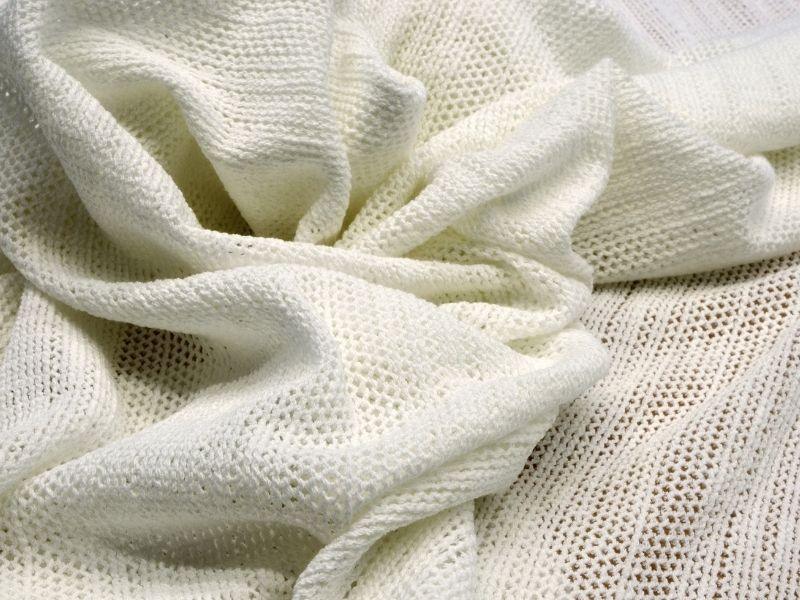
Tencel fabric has become increasingly prominent in sustainable fashion because of its notable properties and environmentally responsible manufacturing. Produced from sustainably sourced wood pulp, Tencel combines softness, durability, and breathability.
This makes it suitable for diverse applications including apparel and home textiles. Its production process is structured to reduce environmental impact, and the fabric offers superior moisture management and a refined texture.
Nevertheless, a comprehensive evaluation of both its advantages and limitations is necessary to determine its role within the contemporary textile sector.
What is Tencel Fabric?
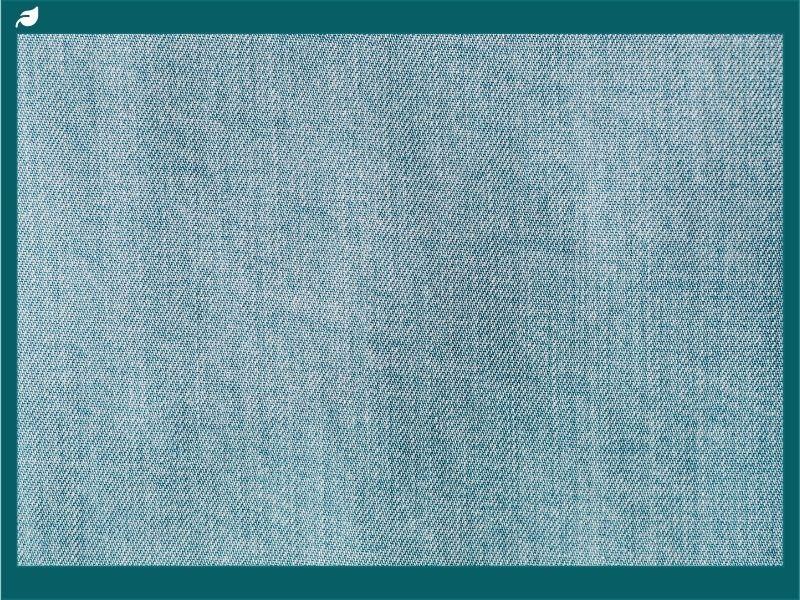
Tencel fabric is recognized within sustainable textiles for its environmentally conscious production and premium tactile qualities. Manufactured from cellulose extracted from wood pulp, Tencel is valued for its comfort and breathability.
The fibers are produced through processes that prioritize environmental responsibility, making Tencel a preferred material for sustainability-focused fashion. Its versatility, softness, and moisture-wicking capabilities position it as a strong alternative to conventional fabrics.
Examining the origins and technological advancements behind Tencel provides insight into the factors contributing to its increasing adoption in the textile industry.
The journey of Tencel fabric begins with Lenzing AG, a pioneering company in the field of fiber innovation. Established in Austria, Lenzing has been instrumental in developing sustainable solutions for the textile industry.
Tencel is a trademark for a set of fibers made from the wood pulp of eucalyptus, beech, and spruce trees. This innovative material came to fruition in the 1980s, when Lenzing sought eco-friendly alternatives to synthetic fabrics.
The development process involved the refinement of lyocell technology, which uses a closed-loop system to ensure minimal environmental impact. This system recycles water and solvents used in the production process, making Tencel a hallmark of sustainable textile technology.
The fibers are manufactured using a solvent spinning technique that transforms wood pulp into a versatile fiber. This method is not only efficient but also environmentally considerate, as it captures and reuses nearly 100% of the chemical solvents involved.
As a result, Tencel fabric has garnered accolades for its reduced ecological footprint compared to conventional synthetic fibers. Moreover, its natural origins contribute to its biodegradability, further enhancing its sustainability credentials.
Tencel’s appeal extends beyond its environmental benefits; its texture and performance characteristics make it a sought-after choice in the fashion and home textile markets. The material is known for its luxurious feel akin to that of Italian Tencel, often used in high-end garments and bed linens.
The softness of Tencel fabrics, combined with their durability and moisture management properties, has made them the fabric of choice among eco-conscious consumers. As the demand for sustainable materials continues to grow, the development of Tencel fabric highlights the textile industry’s commitment to innovation.
Lenzing’s contributions to Tencel have set a benchmark for sustainability and quality, offering a glimpse into the future of eco-friendly textiles. With ongoing advancements, Tencel is set to play a significant role in shaping the landscape of environmentally responsible fashion.
The following points summarize the primary advantages and applications that distinguish Tencel fabric within the textile industry:
- Known for its unrivaled softness and comfort, enhancing wearability in diverse climates.
- Superior moisture management properties that efficiently wick away sweat.
- Biodegradable nature aligns with environmental conservation efforts.
- Versatility caters to high-end fashion and home textile products.
- Hypoallergenic qualities make it a top choice for sensitive skin.
- Robust durability ensures long-lasting performance and investment value.
- Offers vibrant color retention, enhancing aesthetic appeal.
- Excellent breathability adds to its comfort during wear.
These attributes explain Tencel’s continued preference among environmentally conscious consumers and those seeking high-performance textiles.
The Advantages of Tencel
Tencel fabric is distinguished by its significant advantages, particularly regarding environmental impact and user comfort. It is recognized for eco-friendly manufacturing, a refined tactile experience, and versatility.
The inherent properties of Tencel lyocell fibers, including elasticity and moisture-wicking capacity, enhance comfort and quality. Woven Tencel products are also noted for their durability and softness.
Collectively, these characteristics establish Tencel as a practical and enduring option in sustainable fashion, providing tangible benefits across multiple uses.
Environmental Benefits and Sustainability
Growing environmental concerns have increased the adoption of sustainable fabrics such as Tencel, which is produced by Lenzing AG and exemplifies sustainability in the textile sector. Its manufacturing utilizes a closed-loop system that recycles nearly all water and solvents, significantly reducing waste and pollution compared to conventional textile processes.
The cellulose used in Tencel production is sourced from responsibly managed forests, supporting reforestation, biodiversity, and the prevention of deforestation. Eucalyptus, beech, and spruce trees, selected for their rapid growth and minimal water requirements, further reinforce Tencel’s environmental leadership.
Tencel’s biodegradability ensures that products decompose without leaving harmful residues, supporting circular economy principles.
The fabric’s versatility allows it to maintain high quality and durability in both apparel and household textiles, decreasing the frequency of replacement and associated environmental impact. Manufacturers are also incorporating renewable energy into production, further reducing Tencel’s carbon footprint.
Ongoing innovation positions Tencel at the forefront of sustainable fabric technology, offering substantial environmental benefits for both consumers and industries seeking to minimize ecological impact. Adopting Tencel represents a commitment to both product quality and sustainable textile manufacturing.
| Advantages of Tencel | Environmental Impact | Versatility and Comfort | Sustainability Practices |
| Eco-friendly Production | Minimal Water Usage | Softness and Breathability | Sourced from Renewable Wood |
| Biodegradable | Low Carbon Footprint | Moisture-Wicking Properties | Closed-Loop Production Process |
| Durability | Reduced Chemical Usage | Suitable for Various Applications | Certified Sustainable Forestry |
The following table summarizes Tencel’s diverse benefits, demonstrating its leadership in sustainable textile production.
The Disadvantages of Tencel
Despite its many advantages, Tencel fabric faces some notable disadvantages. As demand for sustainable materials increases, a comprehensive understanding of Tencel’s limitations is essential.
Production challenges and specific care requirements represent significant drawbacks. These factors must be evaluated by manufacturers, designers, and consumers when considering Tencel for various applications.
Analyzing these challenges provides insight into the technology underlying Tencel and its position within the broader context of sustainable textiles. While eco-friendly, Tencel can present significant challenges that impact its adoption and overall cost.
One of the primary obstacles in Tencel production lies within its reliance on advanced technology. The solvent spinning technique used to produce Tencel fibers requires specific equipment and trained personnel, which can increase production costs.
This technology Tencel employs is integral to its sustainable promise but also adds layers of complexity that manufacturers must navigate. As production scales, the ability to keep these operations environmentally friendly and economically viable becomes a balancing act that companies like Lenzing AG diligently manage.
In terms of use, Tencel requires particular attention to care and maintenance to preserve its quality over time. While Tencel fabrics are renowned for their soft feel and moisture-wicking properties, maintaining this texture means adhering to specific washing and drying instructions.
The care Tencel demands can be seen as a drawback for consumers who prefer more straightforward laundry routines. Followed incorrectly, these care requirements can diminish the fabric’s softness and strength, impacting garment longevity.
This aspect positions Tencel in a more niche market, appealing to consumers committed to sustainability but potentially deterring those with less dedication to textile maintenance. Sewing with Tencel also presents its unique set of challenges.
The smooth, slippery nature of the fabric can be difficult for those unaccustomed to handling such materials. Careful attention is required when cutting and sewing to prevent fraying and ensure seam stability.
This can make working with Tencel more time-consuming compared to other fibers, a consideration for DIY enthusiasts and professional tailors alike. Coupled with its relatively high production costs, these challenges in use and manufacturing contribute to the fabric’s positioning as a premium, albeit more demanding, sustainable textile option.
These disadvantages highlight areas for innovation, ensuring Tencel’s continued growth within the sustainable fashion industry.
Tencel vs. Traditional Fibers
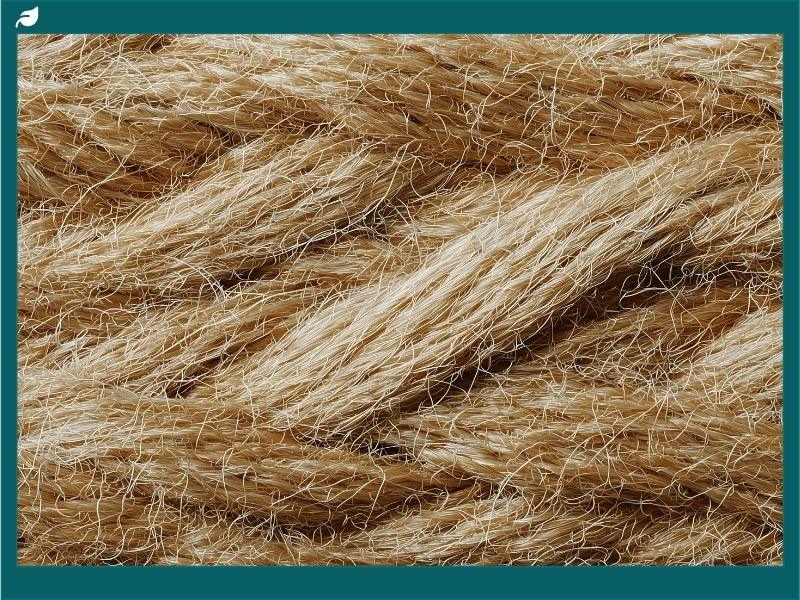
Within the textile industry, Tencel is frequently compared to traditional fibers such as cotton to define its position in sustainable fashion. This comparison extends beyond superficial attributes to examine technical distinctions, including environmental impact, comfort, and production methods. Evaluating these factors provides a comprehensive understanding of Tencel’s advantages relative to conventional materials.
Comparing Tencel to Cotton
Comparing Tencel and cotton is essential for evaluating sustainable textile innovations, as it reveals significant differences beyond visual characteristics. Tencel’s eco-friendly production, particularly its closed-loop solvent spinning process, substantially reduces environmental impact by recycling nearly all solvents.
In contrast, cotton cultivation typically requires extensive water and chemical inputs, contributing to environmental degradation. Tencel fibers also provide superior moisture-wicking and breathability, enhancing comfort and adaptability in various climates.
The fabric’s fine structure results in a soft, smooth texture that rivals high-quality cotton. In terms of durability, woven Tencel garments retain their integrity through repeated laundering, whereas cotton fabrics often deteriorate more quickly.
Tencel’s biodegradability further aligns with the demand for materials that minimize post-consumer environmental impact. While cotton remains prevalent due to cost and familiarity, Tencel offers notable advantages in sustainability and luxury, appealing to consumers who prioritize environmental responsibility and product quality.
These distinctions support the continued exploration and adoption of Tencel as an advanced alternative to conventional fibers.
The Role of Tencel in Sustainable Products
Tencel has rapidly become a cornerstone in the realm of sustainable products due to its exceptional eco-friendly properties and substantial impact on the textile industry. The integration of Tencel fibers, such as Tencel twill, into various products showcases their adaptability and sustainability in modern consumer markets.
As consumers increasingly prioritize sustainability, the demand for Tencel products continues to rise, driven by their natural origins and environmentally responsible production processes.
One of the standout features of Tencel fibers is their production efficiency, which utilizes a closed-loop system to minimize waste and environmental damage. This method ensures that the majority of solvents and water are recycled, contrasting starkly with traditional manufacturing practices that often lead to pollution and excessive resource use.
This eco-friendly approach not only enhances the environmental credentials of Tencel products but also sets a high standard for the sustainable textile industry. Consequently, Tencel products are making significant inroads across both fashion and household textiles, demonstrating their versatility and appeal.
The application of Tencel twill in particular highlights how these fibers are not just a fleeting trend but a lasting solution for sustainable fashion and lifestyle products. Known for its soft texture and durability, Tencel twill is finding its place in eco-conscious collections, appealing to consumers who seek quality and longevity alongside sustainability.
This aligns with broader industry trends that emphasize reducing the environmental impact through sustainable innovation and responsible resource management. The ability of Tencel to meet these demands underscores its pivotal role in shaping the future of sustainable textiles.
Moreover, Tencel’s success in sustainable products serves as an exemplar for other industries aiming to reduce their ecological impact. Its biodegradability ensures that Tencel products return to nature without leaving harmful residues, fostering a circular economy and minimizing landfill contributions.
As industries worldwide seek to optimize their sustainability efforts, the impact of Tencel serves as an inspiration, highlighting the feasibility and benefits of integrating eco-friendly materials into widespread commercial use. This commitment not only positively influences environmental health but also redefines quality and consciousness in consumer products, marking a significant leap towards a more sustainable future.
The Future of Tencel and Eco-friendly Fabrics
Looking ahead, Tencel and other eco-friendly fabrics are expected to play an increasingly significant role in the textile industry. Ongoing innovation in these materials is shaping trends that reflect a global movement toward sustainability and environmental responsibility.
Tencel’s compatibility with advanced textile technologies, such as modern dyeing and sustainable printing methods, further enhances its environmental profile. The industry is adopting these innovations to reduce environmental impact while improving fabric performance.
Tencel’s development aligns with market trends emphasizing reduced carbon emissions and waste. Growing consumer demand for sustainable products is prompting manufacturers to improve fabrics that combine environmental responsibility with quality and aesthetics.
Consequently, producers are investing in research to enhance Tencel’s durability, comfort, and luxury while maintaining its eco-friendly characteristics. The integration of features such as antibacterial properties and increased UV protection demonstrates Tencel’s adaptation to the evolving requirements of contemporary fashion.
The increasing adoption of eco-friendly textiles is evident across multiple sectors. Tencel is now utilized beyond apparel, with applications in home textiles, footwear, and other products.
As industries transition to more sustainable practices, the incorporation of Tencel prints and blends demonstrates the material’s versatility and advanced environmental design. This integration enhances product performance and establishes Tencel as a foundational element in sustainable textile innovation.
Tencel and comparable fabrics are poised for significant growth as they integrate sustainability with advanced design. Industry participants, including designers and consumers, increasingly acknowledge their role in promoting sustainable practices.
The expansion of Tencel highlights a substantial transformation in the textile sector, characterized by a shift toward innovative and environmentally responsible materials. This trend supports the development of a robust market for eco-friendly fabrics.
Tencel provides substantial environmental and functional advantages, making it a leading material in sustainable fashion. Its comfort, breathability, and versatility support a broad spectrum of uses, including apparel and home textiles.
However, higher costs and sensitivity to harsh chemicals are important considerations. As consumer awareness of environmental and comfort factors increases, Tencel emerges as a progressive alternative that combines performance with sustainability, advancing the textile industry toward greater environmental responsibility.