Article By George Bell. Photography provided by John Hylton (Indoor Photography) and Kostas (Outdoor Photography).
The Independent London Fashion Week Designers Association (ILFWDA) started in 2017 as a reaction to the over-priced exclusive fashion events that shut the door on young, talented emerging designers because they couldn’t afford the exorbitant prices being asked, nor did they have the right contacts to be let in. Many of the corporate events deceive participants by including a competitive element. The ‘winners’ of these so-called competitions won nothing. Entry to the competition was based purely on the entrance ability to pay, not merit. The idea from the beginning was to run an event independent of all this fabrication that brought together like-minded designers and hidden talent. The ILFWDA is a not-for-profit organisation. The cost of the association to designers is based purely on the costs of running the events.
The first event was held in a Central London hotel. The lesson learned from this experience was that an expensive venue is not always needed. On a positive note, the first event attracted designers from all over the world and was an artistic and logistical success. Our 2019 event took on board many of the lessons of 2018. We collaborated more closely with venues, colleges, and independent media organisations to put on a better event at the fraction of the price of the 2018 event.




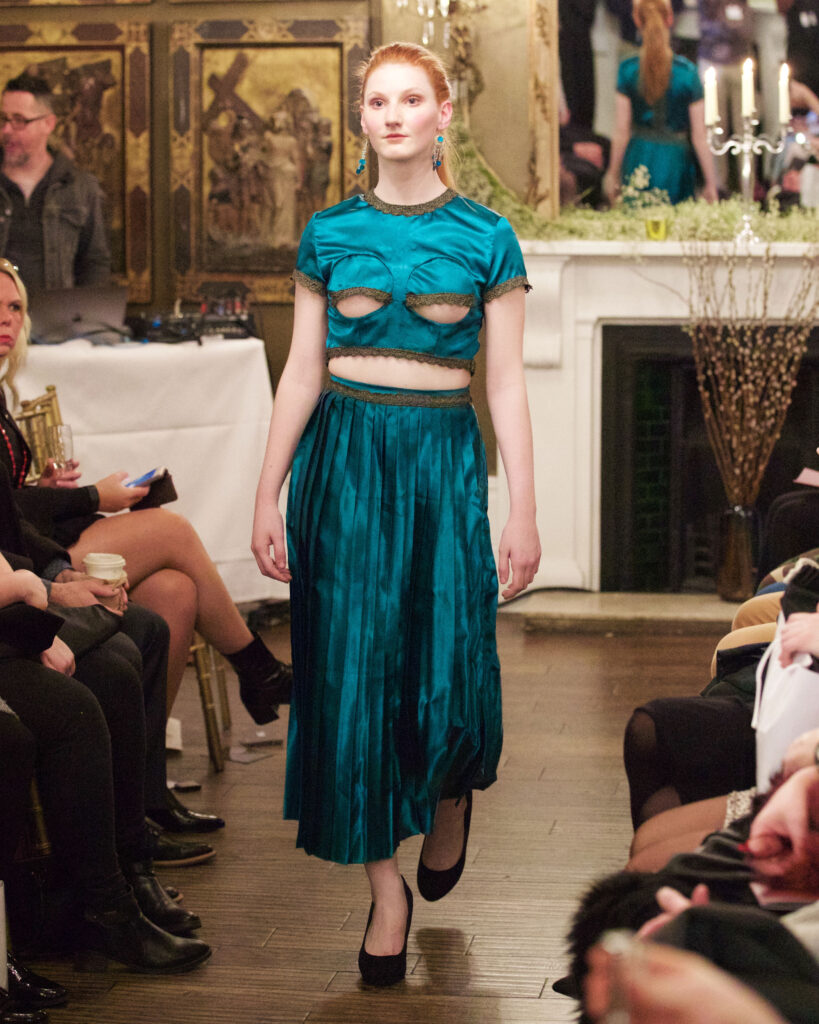
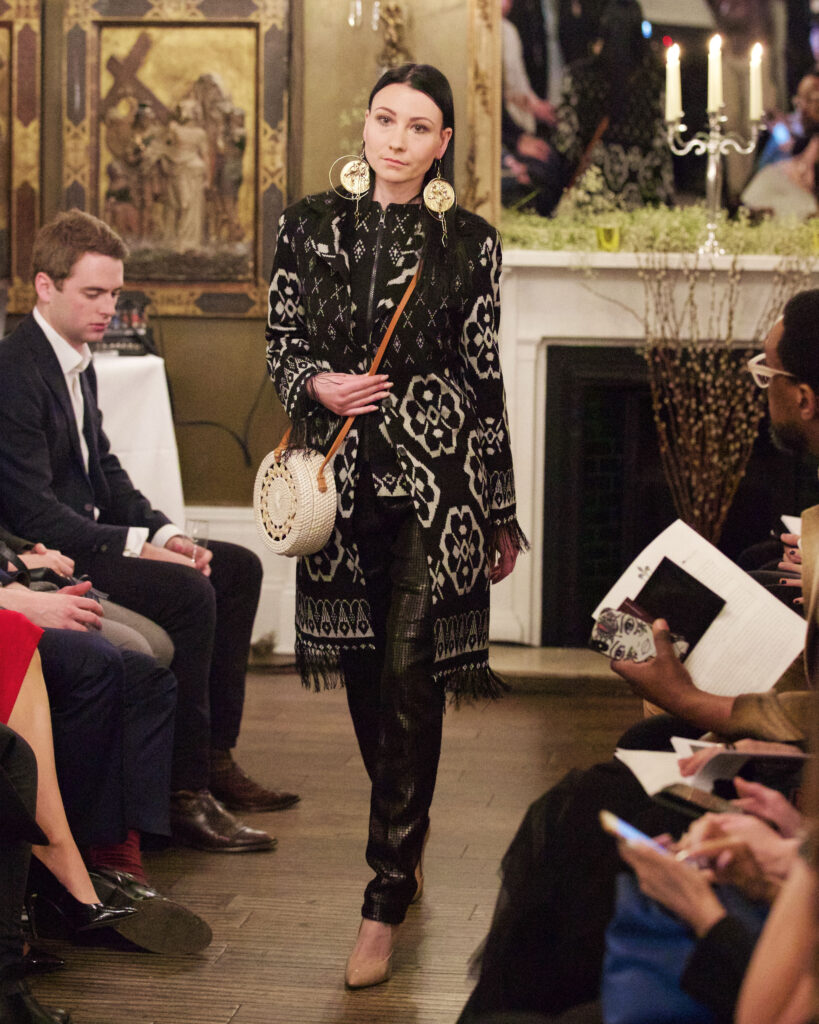

Sustainability means a lot of things. A sustainable business has to still make a profit whilst operating in a way that has minimum impact on the environment. ‘Tree huggers’ need to make a profit too. Sourcing of materials and using ethical labour are two big challenges to a sustainable fashion business. Although it is difficult to source sustainable fabrics manufactured by employees who are treated fairly, it is not impossible. For example, Indonesian designer Merdi, who recently showcased his collection, sources his fabrics from a weavers’ cooperative. A large part of his profits goes to community development in the outermost and remotest islands in Indonesia.
Sustainable fashion is the only way forward to preserve our future generations, not only with environmental concerns but health concerns to the individual.”
Jeff Garner
Jeff Garner’s take on sustainability in his own words: “I believe as a creator we must take responsibility for what we create so that it does not harm anyone or anything. Our textile fashion industry is so dependent on these chemicals that corporate profits are at stake, and to even admit a health concern about their products would open them up to liability lawsuits, hence the dismissive attitude and stubborn resistance of the scientific evidence. Chemical industries have well-funded public relations campaigns to convince the public there is nothing to fear. Sustainable fashion is the only way forward to preserve our future generations, not only with environmental concerns but health concerns to the individual.”
The other challenge with sustainability is making a profit. Our customers recognised that the raw materials and manufacturing costs will be higher than the mainstream non-sustainable low-cost competition. They are prepared to pay extra as their part of the virtuous circle of sustainability. In a nut shell, the sustainability challenges we designers face are:
- Finding shoppers who will pay more
- Finding decent fabric
- Finding ethically-trained labor
The Stacey Strahand Mohair brand is made from locally-sourced wool from Yorkshire, Aberfoyle village in Scotland, and vintage fairs. The embellishing on Stacey Strahand’s garments are made from pieces of vintage and handmade jewellery. She actively takes part in raising funds for charities such as UNICEF UK, WWF, and local fund-raising activities. This year she will be raising funds for renovating a local school in Hebden Bridge, Yorkshire.