Fundraising has always been all about bringing people together for a cause. In 2025, it will not be enough for a fundraiser to raise the funds. There is increasing demand from the donors for alignment with practices involving sustainability, plans for climate responsibility, and the well-being of communities. Utilizing green and socially conscious fundraising means, organizations, while raising funds, can play a role in being examples for turning the planet into a better living space. Here are six sustainable fundraising initiatives for 2025, each with its own set of practical and environmental virtues.
- E-Waste Collection Events
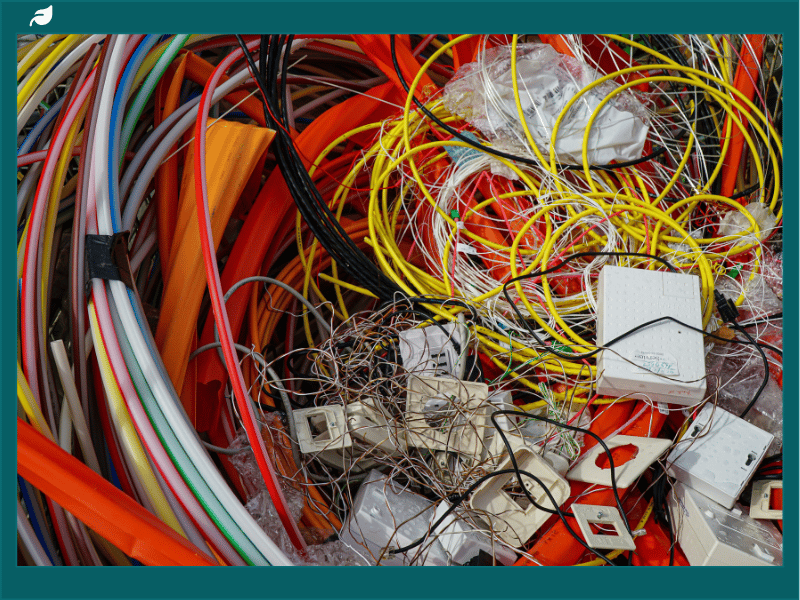
With the speed of technology, there comes the fast phase-out of electronics. Organizing e-waste collection events not only raises funds but also aids communities in responsibly recycling devices that would have landed in waste sites. Schools, nonprofits, and community groups can work with certified recyclers, receiving baggage rates for materials collected, while using fundraising tools to support their fundraising efforts.
Fairly simple: set up drop-off spots, advertise extensively, and be transparent about the recycling processes. On the positive side of climate change, recovering precious metals and plastics reduces the demand for virgin materials and respective carbon emissions. Addressing electronic waste gives your fundraiser a strength for environmental responsibility and meaningful revenue.
- Fair Trade Chocolate Programs
Traditional chocolate fundraisers are common, but they often fail to consider the ethics of the supply chain. A fair trade chocolate drive means that every bar sold is supporting both your cause and cocoa farmers who practice sustainability. Programs like Purdys Fundraising program are easy to organize because they provide ethically sourced products that can be sold with great success.
The only specs and setup required are to arrange a supplier who can ensure fair wages, sustainable farming practices, and equally yummy chocolate. There is clear equity: supporters eat chocolate whilst knowing their funds help farming communities instead of harming them. Fair Trade chocolate gives a new face to a familiar model, one that is thus worthy of trust and building a larger donor base.
- Repair Cafés
A repair café is not just a fundraiser but a value statement against the culture of disposable living. In repair cafés, communities gather while volunteers possessing expertise help attendees with repairs on objects ranging from toasters to textiles. Some funds come from the entry fees and donation jars, with waste reduction and socializing being the goals of the event.
Organizers must secure the venue, find repair volunteers, and procure tools. Repair cafés become accessible to everyone because they allow individuals to keep their possessions in good condition instead of throwing them away in favor of some new item. Your fundraiser, therefore, is an example of circular practices actually reducing waste, facilitating the sharing of skills, and building resilience in communities.
- Community Swap Markets
Swap markets are an alternative to shopping, where community members bring items they no longer need and trade them. That represents an entry fee or table fee that is often kept low; proceeds go to the cause in question. These markets may cover swaps for books, clothing, toys, or even tools for gardening, maximizing sustainable consumption.
The consequences are two-fold: less stuff sits in landfills, and families save some much-needed money while getting some of the goods they need. To keep things inclusive, organizers should consider free entry for low-income families or a donation-based system. The value of re-use is taught through community swap markets, which also provide live fundraising examples for circular lifestyles.
- Local Farm Produce Boxes
Selling produce boxes from local farms for a good cause would combine food sustainability and fundraising. Supporters subscribe to seasonal boxes filled with fresh fruit and vegetables, and a portion of the proceeds of the sale supports your cause. It’s a win-win for everyone since it gives farmers a secure sale and allows participants to receive healthy food from local sources.
The environmental benefit is obvious: short supply chains involve lower transportation emissions and foster seasonal eating. An accessible producer should be identified to offer small box sizes or a sliding scale between producers and their consumption price, making it equitable. This model will link communities with local growers while fostering health and climate resilience.
- Refillable Home Essentials Kits
Plastic waste continues to be a worldwide disaster, while a refillable kit is a practical response. They could even sell a starter kit with reusable bottles for soap, cleaning agent, or shampoo, plus vouchers for low-cost refills. Over time, these kits will reduce single-use packaging and initiate long-lasting behavioral changes that support sustainability.
Set up requires sourcing green suppliers and educating buyers about local refill stations or refill partnerships. Pricing on a sliding scale ensures that every household has access to sustainable choices on an equitable basis. Fundraising for refillable kit products will help tick some climate-friendly actions while raising a steady cash flow.
Endnote
In 2025, sustainable fundraising not only organizes resources but also stamps its place on communities and the planet. Through fair-trade chocolate drives, repair cafés, and refillable kits, organizations raise funds proving that financial success can indeed go hand-in-hand with ethical and environmental responsibility. These three strategies sensitize, activate, and strengthen the ties among supporters. All it needs is creativity and commitment, making fundraising really all that it can be-an effective engine of change everywhere.