A major UK retailer recently discovered that customers who chose sustainable delivery options had a 31% higher lifetime value than those who didn’t. This finding challenges the persistent myth that sustainable practices are purely cost centres. The logistics sector accounts for over a third of global carbon dioxide emissions, yet forward-thinking leaders are turning this challenge into a competitive advantage by integrating environmental responsibility into their fulfilment operations.
Companies implementing sustainable fulfilment strategies are building stronger customer relationships, cutting operational costs, and future-proofing their businesses against regulatory changes. The evidence is compelling: 72% of consumers will pay more for products backed by sustainable brands, while 52% of UK shoppers report greater loyalty to retailers practising sustainability.

The Business Case for Sustainable Fulfilment
Financial Impact That Matters
The numbers speak clearly:
- Energy-efficient warehouse operations: 20-30% reduction in utility costs
- Right-sized packaging: Up to 15% cut in shipping expenses
- Renewable energy adoption: ROI within 3-5 years with ongoing savings
Regulatory Future-Proofing
The UK’s target of 78% emissions reduction by 2035 and incoming packaging regulations mean early adopters gain significant advantages. Companies establishing sustainable practices now avoid costly operational disruptions later while competitors scramble to comply.
Bio-D’s container return scheme exemplifies this approach. Doubling their refill returns in one year while preventing 20 tonnes of plastic waste, the initiative strengthened customer engagement while delivering environmental impact.
Strategic Implementation: What Works
Packaging Innovation That Pays
Companies leading sustainable packaging have moved beyond recycled materials to system redesign:
- Right-sized packaging reduces costs and improves customer experience
- Advanced algorithms cut box sizes by 20-40%, impacting transport efficiency
- Recyclable materials reinforce brand values when communicated effectively
- Returnable systems reduce costs by 60-80% while creating customer touchpoints
Green Logistics Performance
Transportation represents fulfilment’s largest carbon variable, making partner selection crucial:
| Carrier | Achievement | Method |
| Royal Mail | 20% per-parcel emissions reduction | Electric vans + HVO biofuel |
| Evri | 38% carbon reduction vs 2021 | Alternative fuel plans |
Companies using logistics optimisation software report 15-25% fuel consumption reductions alongside improved customer satisfaction through reliable delivery windows.
B Corp-certified providers like Green Fulfilment demonstrate how paperless operations, renewable energy usage, and tech-driven efficiency integrate without compromising service levels. Their sustainable fulfilment services deliver both environmental and operational benefits.Technology-Driven Results
Digital transformation enables sustainable practices at scale:
- Inventory systems that predict demand accurately reduce overstock and waste
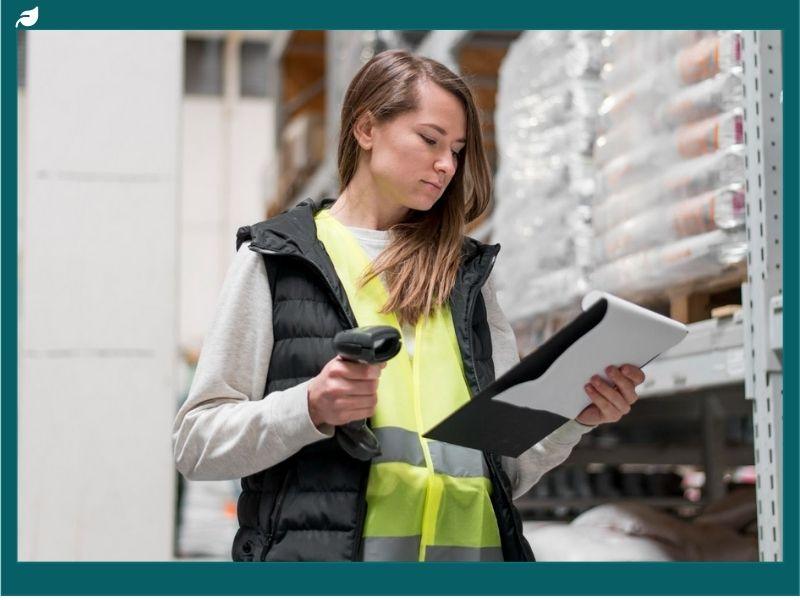
- Automated warehousing cuts energy consumption per order processed
- Real-time tracking decreases failed deliveries, eliminating transport emissions
- Sustainability dashboards identify improvements and demonstrate progress
Companies like Green Fulfilment show how these technologies integrate with B Corp certification and renewable energy initiatives.
Measuring Impact and Building Loyalty
Essential Metrics
Track both environmental and business performance:
- Carbon emissions per order
- Packaging waste reduction percentage
- Energy consumption per square foot
- Customer retention rates for sustainability-conscious segments
The Loyalty Premium
Transparency in sustainability efforts builds measurable trust. Companies sharing environmental impact data openly see higher customer loyalty scores while supporting premium pricing strategies.
The loyalty impact extends beyond transactions. Companies with strong sustainability credentials report 23% higher customer lifetime values through emotional connections that generate increased word-of-mouth recommendations.
Implementation Roadmap
Phase 1: Assessment (Months 1-2)
Actions:
- Audit current fulfilment practices comprehensively
- Measure baseline emissions, energy consumption, and packaging waste
- Engage stakeholders across operations, procurement, and marketing
- Set realistic improvement targets based on data
Phase 2: Pilot Programs (Months 3-4)
Focus Areas:
- Evaluate logistics partners on sustainability credentials, not just cost – sustainable 3PL providers often deliver both environmental and operational advantages
- Test sustainable practices with order subsets
- Implement packaging optimisation for immediate cost savings
- Measure operational impact and customer response
Phase 3: Full Implementation (Months 5-8)
Strategy:
- Roll out practices across all fulfilment operations
- Develop transparent customer communications highlighting measurable impacts
- Train customer service teams on sustainability messaging
- Use interactions to reinforce brand values
Phase 4: Continuous Improvement (Ongoing)
Framework:
- Regular sustainability metrics reporting
- Share progress with stakeholders and customers
- Use data insights for additional opportunities
- Adjust strategies based on performance data
The Competitive Advantage
Sustainable fulfilment represents the convergence of environmental responsibility and business strategy. Companies viewing sustainability as operational integration rather than additional cost build competitive advantages across customer loyalty, operational efficiency, and risk management.
Market evidence supports this approach. Businesses with strong sustainability credentials consistently outperform peers in customer retention, employee satisfaction, and long-term financial performance. As consumer expectations evolve and regulatory requirements tighten, sustainable fulfilment becomes a business imperative rather than an option.
The companies recognising this shift and acting decisively establish market leadership positions that become increasingly difficult for competitors to challenge. Sustainable fulfilment builds better businesses, not just better environmental outcomes.