As the world increasingly embraces sustainability, innovative vending machines offering eco-friendly water solutions emerge as a key player in this green revolution. By providing access to purified water, these cutting-edge machines significantly reduce the need for single-use plastic bottles, aiding in global efforts to minimize environmental impact.
Businesses and consumers alike are drawn to these smart solutions, which not only promote convenience but also align with the growing demand for environmentally responsible products. This shift towards green technology in everyday life represents a significant step forward in creating a sustainable future for the planet.
Exploring Eco-Friendly Vending Machines
The rise of eco-friendly vending machines is reshaping how communities access beverages. With a focus on sustainability, these modern machines offer innovative solutions to reduce environmental impact. Engineered to dispense items, such as drinks, with minimal waste, they’re becoming essential in urban infrastructure. These machines not only lower carbon footprints but also promote the use of biodegradable materials and renewable energy sources. The following sections delve into the key features that define sustainable vending technologies and examine the benefits they bring to bustling cityscapes, enhancing both environmental health and consumer convenience.
Key Features of Sustainable Vending Technologies
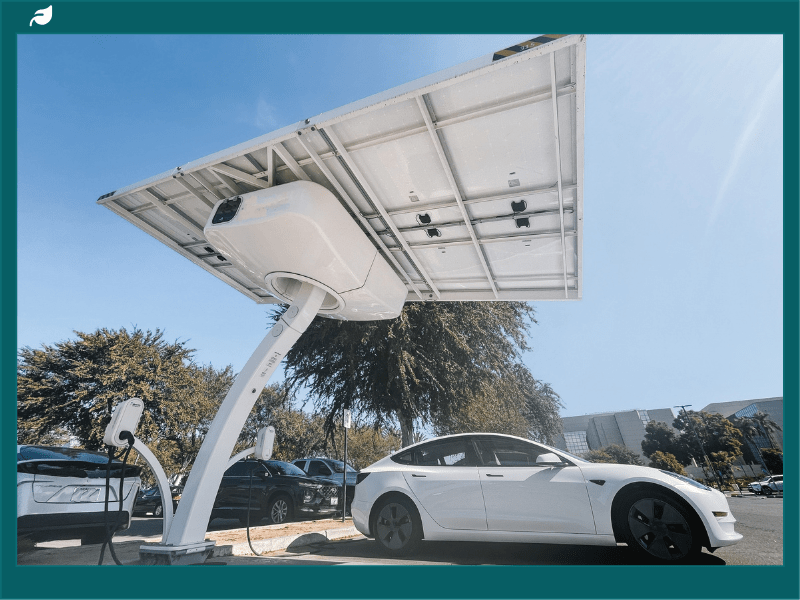
At the forefront of sustainable vending machine technologies are features designed to minimize ecological impact. Advanced machine designs incorporate renewable resources, such as solar panels, to power operations, significantly reducing their reliance on non-renewable energy sources. Moreover, these machines emphasize the use of high-efficiency coolers that maintain optimal temperatures while consuming minimal energy. The beverage vending industry is also embracing recyclable and biodegradable materials, minimizing the waste traditionally associated with soda machines. Smart technology integrations allow these drink machines to monitor inventory and power usage, optimizing performance and reducing unnecessary energy expenditure.
Advanced recycling capabilities are another notable feature. Modern vending machines are equipped to accept used beverage containers, facilitating an eco-friendly recycling loop. Machine design now favors modularity, allowing for components to be easily updated without replacing entire units, thereby prolonging the operational life of these machines and reducing landfill contributions. This pivot towards circular economy principles reflects an industry-wide commitment to sustainability, making these eco-friendly vending machines a crucial component in the ongoing effort to promote greener urban environments.
Benefits of Eco-Friendly Machines in Urban Areas
Eco-friendly vending machines offer significant advantages to urban centers seeking sustainable development. By introducing machines powered by renewable energy and containing smart technology, cities can dramatically decrease their carbon emissions. This transition is pivotal as urban areas continue to expand and modernize. The presence of drink machines that support recycling efforts helps municipalities tackle waste management challenges, fostering a cleaner urban environment. Furthermore, these machines enhance public spaces, providing easy access to refreshments without the environmental burden associated with conventional vending methods.
Additionally, sustainable vending machines contribute to a city’s economic viability by reducing operational costs. Energy-efficient soda machines lower utility expenses, making them attractive investments for businesses focused on sustainability. Public perception benefits as well; environmentally-conscious consumers are drawn to brands that prioritize sustainability, boosting community engagement and support. In densely populated cities, these advancements offer a positive ripple effect, transforming public perceptions and engendering a conscientious approach to consumption. Overall, eco-friendly vending machines represent a leap forward in creating livable, sustainable urban landscapes.
The Role of Dasani Vending Machines in Water Conservation
Amid growing environmental concerns, Dasani vending machines emerge as key players in the movement towards water conservation. These innovative machines not only dispense bottled water but also contribute to significant reductions in plastic waste. By redesigning traditional vending methods, Dasani is leading a shift towards more eco-friendly practices. This effort aligns with sustainability goals embraced by cities and communities worldwide. The following sections explore how these machines are pioneering waste reduction techniques and delve into the alignment of Dasani machines with broader environmental objectives.
Innovative Approaches to Reducing Plastic Waste
Dasani vending machines mark a turning point in the battle against excessive plastic use. By integrating state-of-the-art technology, these machines mechanize a responsible approach to dispensing bottled water. The use of Dasani plastic, which is engineered to be lighter and requires less material, significantly reduces plastic consumption per bottle. Consequently, this design innovation contributes to fewer water bottles ending up in landfills. Additionally, each vending machine offers incentives for consumers to recycle their bottles directly on-site, creating a closed-loop recycling process. This feature ensures that every bottle has a chance to be reused, cutting down on overall waste.
Moreover, Dasani has pioneered the use of plant-based materials in their bottles. Approximately 30% of the Dasani plastic is derived from plants, further minimizing reliance on petroleum-based plastics. The machines are also strategically placed in high-traffic areas to maximize accessibility while promoting sustainable practices. By altering consumer behavior and encouraging the return of used bottles, Dasani is actively participating in reducing the plastic footprint. This approach not only supports environmental health but also fosters a culture of sustainability among consumers who interact with these vending machines.

Why Dasani Vending Machines Align with Sustainability Goals
Dasani vending machines perfectly encapsulate the sustainability goals set by both corporations and environmental organizations. By offering a more sustainable alternative to traditional water bottles, these machines exemplify eco-friendly practices in the beverage industry. The alignment with sustainability is evident not just in renewable manufacturing processes but also in the operational efficiencies achieved. Each machine uses energy-efficient technology, reducing power consumption and minimizing the environmental impact.
Moreover, Dasani’s commitment to sustainability translates into broader corporate social responsibility strategies. By promoting the reduction of single-use plastics, these vending machines support international initiatives aimed at decreasing oceanic plastic pollution. The strategic placement of these machines in places like corporate offices and public transport stations reflects an effort to bring sustainable choices directly to consumers’ daily routines. By leveraging technology and environmentally-responsible materials, Dasani is not only conserving resources but also setting a precedent for the industry, urging other beverage brands to follow suit in embracing similar sustainable practices.
Vending Machines Services: Transforming Public Spaces
The adoption of vending machines in public spaces is revolutionizing how we interact with our urban environments. These machines provide convenient access to essential goods while fostering sustainable practices and enhancing community engagement. Positioned strategically, vending machines can serve as key players in city planning by offering eco-friendly solutions that efficiently utilize space and resources. This section delves into how integrating these machines into community hubs can deliver numerous benefits, ranging from economic to environmental, marking a shift toward greener urban living.
Benefits of Integrating Vending Machines into Community Hubs
Integrating vending machines into community hubs offers a myriad of benefits that extend beyond mere convenience. These vending machines enable urban areas to effectively manage limited space while providing essential services to residents and visitors. Modern machine designs, powered by renewable energy sources like solar panels, significantly lower operational costs, reducing the environmental footprint while increasing accessibility. This makes vending machines an economically viable option for municipalities aiming to promote sustainable development in public spaces. The strategic placement of these machines also encourages pedestrian traffic, transforming previously unused spaces into bustling, vibrant areas that enhance social interactions and community cohesion.
Beyond economic advantages, vending machines in community hubs play a crucial role in promoting sustainability. By offering eco-friendly options such as recyclable packaging and encouraging the return of used containers, these machines actively contribute to reducing waste. Community members are empowered to make greener choices, fostering a culture of environmental responsibility. Additionally, vending machines can be tailored to meet specific community needs by offering locally sourced products, further supporting the local economy and promoting sustainability. This integration not only improves consumer convenience but also establishes these machines as vital components of urban infrastructure that align with broader environmental goals.
Future of the Vending Machine Industry: Embracing Green Initiatives
The vending machine industry is undergoing a transformative shift towards greener practices, driven by the need for sustainable development in urban environments. By embracing green initiatives, modern machines are designed to reduce their environmental footprint while enhancing operational efficiency. This evolution includes the integration of renewable energy sources, recyclable materials, and smart technology. These advancements not only benefit the environment but also align with consumer preferences for eco-friendly options. In turn, they position vending machines as key players in promoting sustainability. Let’s explore how these trends are reshaping vending machine designs.

Trends in Eco-Friendly Vending Machine Designs
Eco-friendly vending machine designs are at the forefront of the industry’s green revolution. Manufacturers are increasingly focusing on incorporating sustainable materials and technologies into their designs to bolster environmental efforts. One major trend involves utilizing recycled or biodegradable materials for vending machine components. This decision minimizes waste and supports a circular economy, which is crucial as society shifts towards more sustainable consumption patterns. Furthermore, there’s a notable move towards integrating high-efficiency components. For example, energy-efficient compressors and LED lighting significantly lower power consumption, making machines more energy-conscious and reducing their overall carbon footprint. The implementation of solar panels is another innovative trend, as they allow vending machines to operate using renewable energy. Not only do these panels power the machines, but they also reduce dependence on traditional electricity sources, decreasing operational costs and further promoting environmental sustainability.
Moreover, smart technology is redefining how vending machines interact with both inventory and consumers. Machines are equipped with sensors and IoT connectivity that enable real-time monitoring of stock levels and power usage, optimizing efficiency and minimizing waste. This smart integration ensures that vending machines require fewer service visits, reducing the associated environmental impact of transportation. Additionally, these machines can be programmed to conserve energy during off-peak hours, contributing to overall energy savings. The user experience is also enhanced as digital interfaces offer consumers information about the eco-friendly practices involved in sourcing and disposing of products. This transparency not only educates consumers but also fosters a sense of responsibility and connection with environmentally-friendly practices. These trends in design demonstrate the industry’s commitment to sustainability and its role in supporting the modern consumer’s demand for greener options.
As the demand for sustainable solutions intensifies, innovative vending machines that offer eco-friendly water alternatives are becoming more prevalent. These systems not only reduce plastic waste but also promote healthier choices by providing easy access to clean, filtered water. By meeting consumer demands for sustainable practices, companies can leverage these vending machines to enhance their brand image while contributing to environmental preservation. The integration of smart technologies and customizable options further enables a tailored user experience, making eco-friendly water vending an attractive proposition for both businesses and consumers within the ever-evolving landscape of green innovations.