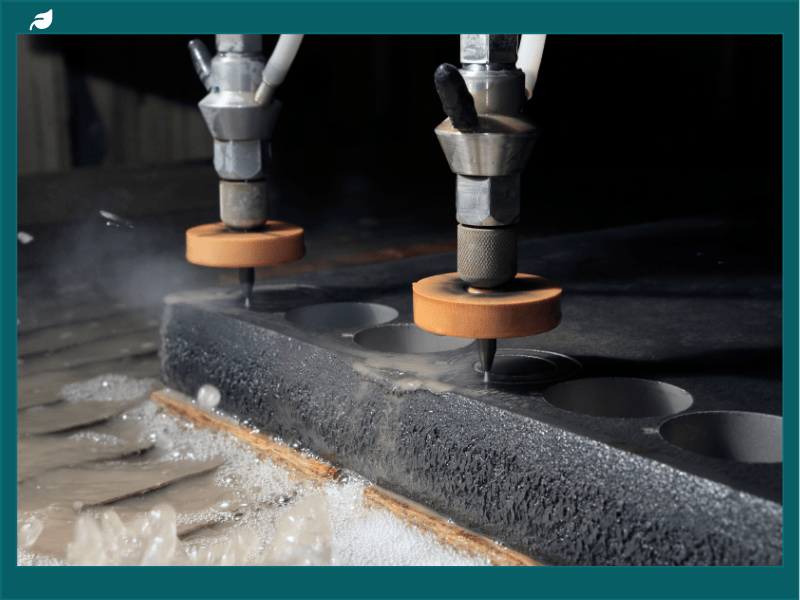
In the fast-paced world of industrial manufacturing, finding a way to balance high-speed production with environmental responsibility is the ultimate goal for any forward-thinking business owner. Whether you are operating a local facility or managing a global supply chain, the pressure to reduce carbon footprints has never been higher.
Traditional thermal cutting methods often result in significant energy waste and hazardous fumes, leading many businesses to seek out cleaner “cold” cutting alternatives.
By shifting toward technologies that prioritize resource management, companies can significantly lower their utility costs while simultaneously meeting the strict sustainability standards required in today’s green economy.
1. Advanced Pump Technology and Power Management
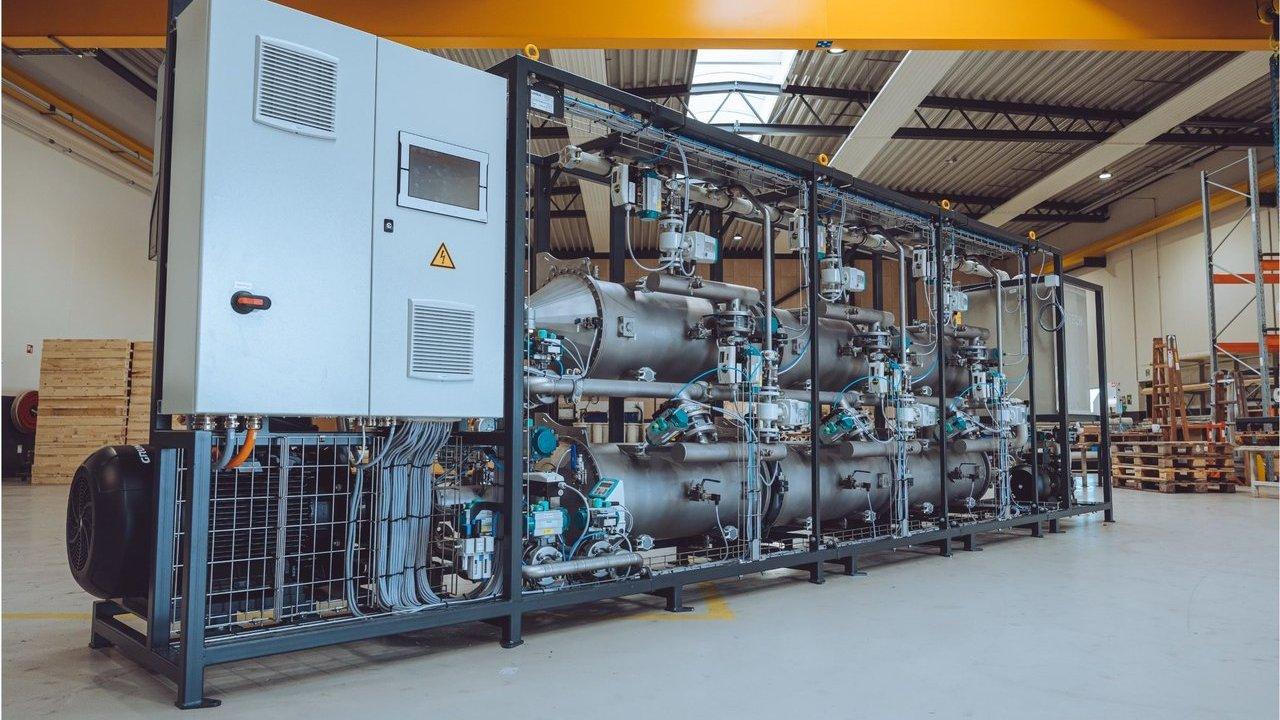
Modern pump technology has undergone a massive transformation, moving away from older, energy-draining systems toward high-efficiency direct-drive designs. These newer models are designed to be incredibly efficient, converting a much higher percentage of electrical energy into actual cutting power at the nozzle. By reducing energy loss during the conversion process, these machines allow for much faster travel speeds and cleaner cuts without increasing your power bill.
When evaluating a high-performance waterjet machine, sustainability-focused manufacturers prioritize systems that only draw significant power when the cutting head is active. For example, many industry leaders who utilize technology from OMAX Corp, a Hypertherm Company, frequently highlight their variable frequency drives as a critical tool for slashing monthly energy consumption. By significantly lowering the idle electrical draw that typically plagues traditional machinery, businesses can produce more parts per kilowatt-hour. This smarter approach to power management directly improves the bottom line while supporting a more responsible manufacturing lifecycle.
2. Precision Motion Control to Reduce Material Waste
Getting the cut right the first time is one of the most effective ways to conserve energy and raw resources on the shop floor.
- AI-Driven Software: Intelligent software calculates the most efficient path for the nozzle, reducing the total distance the machine needs to travel.
- Taper Elimination: Advanced tilting heads ensure that the edges are perfectly square, which prevents the need for energy-heavy secondary grinding.
- Nesting Efficiency: Smart nesting programs pack parts tightly on a single sheet, maximizing material yield and reducing the energy used to produce scrap.
- Error Prevention: High-precision sensors detect potential issues before they cause a failure, saving the energy that would be wasted on a ruined project.
By minimizing mistakes and maximizing the use of every square inch of material, a shop can significantly lower its total environmental impact. This level of precision ensures that energy is only spent on productive work rather than being wasted on redoing failed cuts.
3. Cold Cutting: Eliminating Secondary Finishing
One of the most sustainable aspects of waterjet technology is its ability to cut without generating a “Heat-Affected Zone” (HAZ) in the metal. Traditional lasers and plasmas often warp or harden the edges of a part, requiring hours of additional machine runtime for cleanup and heat treatment. Because a waterjet is a cold process, the molecular structure of the material remains unchanged, allowing parts to go straight from the cutting bed to the assembly line. This industrial efficiency significantly shortens the production cycle and reduces the total energy-per-part ratio.
Beyond saving time, eliminating secondary finishing means fewer abrasives and chemicals are needed to polish or deburr the final product. Streamlining your lean manufacturing workflow in this way allows for a much cleaner shop environment and lower overall operating costs. When a single machine can handle the work of two or three separate processes, the cumulative energy savings over a twenty-year service life are staggering. This “one-pass” philosophy is a cornerstone of any modern, eco-friendly fabrication facility that values both speed and resource conservation.
4. Closed-Loop Water and Abrasive Recycling Systems
Turning a resource-heavy process into a circular system is the ultimate goal for any business looking to achieve a zero-waste manufacturing cell.
- Water Filtration: Modern systems allow shops to filter and reuse the same water for weeks at a time, drastically reducing total consumption.
- Abrasive Removal: Automated systems extract used garnet from the tank, allowing it to be dried and potentially repurposed for other industrial uses.
- Heat Recovery: Some advanced setups can even capture the heat generated during the pumping process to warm the facility during winter months.
- Landfill Prevention: Efficient recycling prevents tons of abrasive waste from entering the waste stream every year, keeping the operation much cleaner.
Implementing these closed-loop technologies proves that heavy industry doesn’t have to be a drain on local resources. By treating water and garnet as reusable assets rather than disposable consumables, a shop can operate at a higher level of environmental integrity.
Final Thoughts
Efficiency in the modern age is measured by more than just the speed of a cut; it is measured by the total energy cost of the finished part. By choosing waterjet technology, manufacturers can meet demanding production schedules while adhering to the highest environmental standards. Investing in these five performance features ensures that your facility remains competitive and sustainable for decades to come. The future of manufacturing is cold, clean, and incredibly precise.