Eco Brutalism is emerging as a transformative force in the realm of sustainable architecture, blending the robust, raw aesthetic of Brutalism with eco-friendly practices. This innovative approach emphasizes the use of natural materials and energy-efficient solutions, reimagining cityscapes while minimizing environmental impact.
As climate change concerns grow, architects are increasingly drawn to Eco Brutalism for its potential to revolutionize urban design. By integrating greenery and sustainable technologies into its bold structures, Eco Brutalism not only respects the environment but also enriches the urban experience, paving the way for a more resilient and harmonious future in architectural design.
Understanding Eco-Brutalism
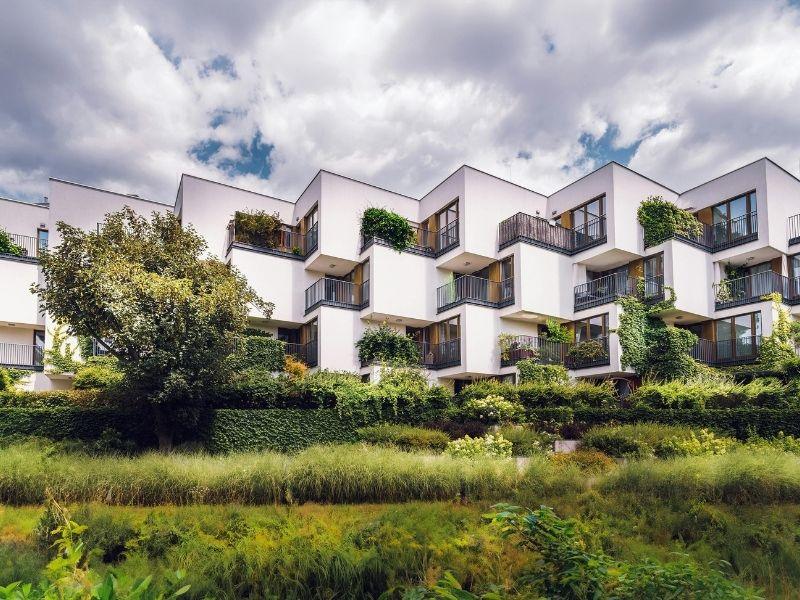
Eco-brutalism is a transformative architectural style combining the rugged aesthetics of brutalism with sustainable, eco-friendly principles. This approach not only maintains the raw concrete beauty of traditional brutalism but also integrates elements like green materials and biophilic design to create energy-efficient structures. The uniqueness of eco-brutalism lies in its ability to harmonize the starkness of brutalist architecture with the organic soft touch of nature, such as moss and plants. By incorporating these elements, eco-brutalist design redefines the relationship between constructed spaces and the natural environment, making it a vital component of modern sustainable architecture.
What Makes Eco-Brutalism Unique?
Eco-brutalism distinguishes itself through its inventive blending of harsh brutalist forms with sustainable design practices. Primarily characterized by the use of raw concrete, eco-brutalist design also emphasizes employing recycled materials to reduce environmental impact. This juxtaposition of industrial materials with softer natural elements like plants and moss highlights an innovative fusion of styles, embracing both durability and a commitment to environmental harmony. Another significant element in eco-brutalism is its focus on biophilic design principles.
These principles aim to establish a deep connection between architecture and nature, not only enhancing the aesthetic value of structures but also improving the well-being of its users by adding green spaces within and around brutalist structures. Energy efficiency is another cornerstone of eco-brutalism, integrating advanced insulation techniques and smart building technologies to minimize energy consumption and optimize sustainability. By prioritizing these elements, eco-brutalism proposes a dynamic architectural style that responds to both aesthetic and environmental needs, paving the way for future trends in sustainable design.
Origins of Brutalism
Brutalism emerged post-World War II as a radical architectural movement, defined by its use of raw concrete and an unadorned, monolithic aesthetic. This style was a reaction against the frivolity of earlier architectural trends, emphasizing functionality and structural honesty. With its roots deeply anchored in socio-political changes, brutalism became more than just an architectural style; it was a statement of resilience and adaptability. As urban landscapes evolved, brutalism’s stark simplicity offered a way to address housing needs amid economic constraints, impacting the design of public institutions and urban infrastructure worldwide.
The Role of Raw Concrete in Brutalist Architecture
The role of raw concrete in brutalist architecture is integral to the movement’s defining characteristics and its enduring legacy. This material choice wasn’t merely aesthetic, raw concrete’s use in brutalism emerged from a practical need to employ cost-effective, durable materials in the post-war era. The unfinished surfaces and heavy forms of brutalist buildings symbolize integrity and transparency, reflecting the socio-political motivations of creating accessible public spaces. Brutalist architects viewed raw concrete as an ideal medium, allowing for sculptural freedom and expression, giving rise to bold geometric shapes and vast, uncompromising structures that still intimidate and awe viewers today.
The environmental implications of raw concrete, however, have become a prominent discussion in the architecture community, as the industry seeks sustainable alternatives to traditional brutalism. In modern eco-brutalism, there’s a focus on balancing the original brutalism’s raw concrete appeal with eco-conscious advancements. Integrating sustainable building practices, such as using recycled concrete materials and innovative insulation solutions, preserve brutalism’s aesthetic while reducing its ecological footprint. Furthermore, this evolution aligns with today’s pressing need for sustainable design ideas that address both aesthetic and environmental sustainability in architecture.
Sustainability in Eco-Brutalist Design
Sustainability within the realm of eco-brutalist design plays a crucial role in reshaping how we perceive urban architecture. By blending the raw aesthetics of brutalism with sustainable principles, eco-brutalist design emphasizes energy efficiency and the use of eco-friendly materials. Green architecture within this style leverages recycled materials and innovative biophilic design to create spaces that are not only functional but also harmoniously integrated with nature. As eco-brutalism evolves, its influence on modern architectural trends grows, highlighting the importance of sustainable practices in the built environment.
How Eco-Brutalism is Improving Environmental Impact
Eco-brutalism improves the environmental impact of architecture through deliberate design strategies that emphasize sustainability and resource efficiency. A cornerstone of eco-brutalist design is the incorporation of recycled materials, which significantly reduces the carbon footprint associated with new construction. By reusing materials such as recycled concrete and steel, these structures not only uphold the brutalist tradition of raw material use but also contribute to resource conservation. Energy efficiency is further enhanced by the integration of smart building technologies, such as automated systems for lighting and climate control, which optimize energy use and reduce waste in eco-brutalist architecture.
Moreover, eco-brutalist design champions the inclusion of green elements and biophilic components, creating an intrinsic connection between architecture and the natural world. These green additions can range from extensive use of planting and rooftop gardens to the incorporation of living walls, where vegetation grows vertically along building surfaces. This not only offsets the aesthetic starkness often associated with brutalism but also contributes to local biodiversity, aids in temperature regulation, and improves air quality. Through these thoughtful design practices, eco-brutalism is making strides in reducing the negative environmental footprint typically linked to urban development.
By prioritizing sustainability, eco-brutalism melds the bold essence of traditional brutalism with environmentally conscious advancements, setting a precedent for future architectural endeavors. This approach not only meets aesthetic desires but also addresses current environmental challenges, illustrating how architecture can lead the way in promoting long-term ecological well-being through innovative design ideas.

Incorporating Green Spaces into Brutalist Buildings
In the realm of eco-brutalism, integrating green spaces into brutalist buildings is a crucial step toward sustainable design. This approach marries the raw aesthetic of concrete with lush plant life, creating a unique biophilic environment. By embedding gardens and living landscapes within the concrete framework, architects are redefining how these spaces interact with nature. The application of green design principles in brutalist architecture doesn’t just enhance visual appeal but also offers significant environmental benefits, positioning eco-brutalist structures as viable solutions to modern urban challenges.
Examples of Successful Eco-Brutalist Structures
One exemplary eco-brutalist structure is the Barbican Estate in London, a notable integration of concrete architecture with green spaces. This iconic development embodies the principles of eco-brutalism by incorporating gardens within its urban landscape, offering residents a rare connection to nature amidst the city’s concrete terrain. Various plant species thrive within the Barbican’s constructed environment, demonstrating a harmonious blend of concrete’s durability and nature’s adaptability. The result is a sustainable living space that not only meets human needs but also nurtures biodiversity.
Another standout example is Bosco Verticale in Milan, a landmark that truly represents the modern evolution of brutalist architecture through its innovative eco-friendly design. These residential towers are enveloped in vertical forests, supporting over 900 trees and 20,000 smaller plants, illustrating a living architectural masterpiece. The Bosco Verticale showcases the potential of integrating significant green spaces into the urban concrete jungle, offering an effective solution for improving air quality and reducing urban heat.
Further cementing the viability of eco-brutalism, the High Line in New York City transforms an unused railway into an elevated linear park, embraced by native flora. This reimagined urban space exemplifies how brutalist design can synergize with biophilic elements to create functional landscapes within the cityscape. By weaving elements of nature into its structure, the High Line underscores the adaptability of brutalist architecture when augmented with sustainable practices. These global examples reflect the growing trend towards eco-brutalism, highlighting how marrying traditional brutalism with eco-conscious innovations can foster environments that are both aesthetically captivating and environmentally responsible.
The Future of Eco-Brutalism in Architecture
Eco-brutalism is making waves in modern architecture as it paves the way for future design trends that prioritize sustainability without sacrificing aesthetic ambition. As cities strive to balance rapid urbanization with environmental responsibility, eco-brutalism stands out with its potential to shape the future of sustainable architecture. This innovative style leverages the distinctive raw appeal of concrete while integrating eco-friendly materials and energy-efficient technologies. By adapting these approaches, architects and urban planners are reimagining how we design, build, and live in spaces that harmonize with nature for a sustainable future.
Trends and Predictions for Eco-Friendly Designs
The evolution of eco-brutalism in architecture is closely tied to emerging trends that emphasize sustainability, functionality, and aesthetic quality. In the coming years, a significant focus is expected on integrating recycled materials, not only to minimize waste but also to preserve brutalism’s characteristic robust forms. These materials, like recycled concrete and steel, offer eco-friendly alternatives without compromising strength and durability, crucial for maintaining the integrity of brutalist design. Moreover, energy efficiency will remain at the forefront, driving innovations in smart technologies that allow for optimal climate control and reduced energy consumption.
Another anticipated trend is the expansion of biophilic design principles within eco-brutalist structures. As urban areas increasingly struggle with environmental challenges, eco-brutalism’s potential to incorporate green spaces like rooftop gardens and living walls is becoming essential for urban resilience. These features not only enhance air quality and promote biodiversity but also improve the mental health of residents by connecting them to nature. This trend represents a shift towards designs that support holistic well-being through carefully crafted, nature-imbued environments. Architects are continually seeking new ways to seamlessly integrate nature into the concrete jungle.
The future of eco-brutalism will likely also involve enhanced collaboration between architects, environmentalists, and urban planners. This collaborative approach will ensure that eco-brutalist projects are not only sustainable but socially and culturally enriching as well. The use of innovative materials and cutting-edge technologies will further advance eco-brutalism, offering flexibility to adapt to evolving urban needs while addressing global sustainability challenges. As these trends gain traction, eco-brutalism is poised to redefine architectural practices, establishing benchmarks for design excellence that emphasize both aesthetic innovation and environmental stewardship.
Brutalism in Modern Design
Brutalism in modern design is undergoing a renaissance, as architects explore ways to adapt its bold, raw aesthetic to contemporary needs. This exploration is particularly visible in eco-brutalism, where sustainable design practices are harmonized with the stark beauty of traditional brutalism. Eco-brutalist architecture highlights innovations in materials and building techniques, integrating green elements while maintaining the robustness of concrete. Within this context, we’re seeing a notable shift towards energy efficiency and environmental consciousness in building projects. As brutalism evolves, its influence on modern architectural trends reflects the growing importance of sustainable practices.
Adapting Brutalist Aesthetics for Contemporary Needs
Adapting brutalist aesthetics for the modern world involves balancing the style’s iconic raw concrete forms with contemporary sustainability demands. Architecture today is increasingly focusing on using recycled materials and eco-friendly design ideas to reflect environmental concerns. This is particularly evident in the emerging field of eco-brutalism, where the traditional brute force of concrete structures is softened with sustainable materials and design techniques that prioritize energy efficiency. Materials such as recycled concrete and steel are being favored to minimize environmental impact while maintaining the brutalist style’s hallmark ruggedness.
The adaptation also includes integrating biophilic design principles, which aim to create a dynamic interaction between built structures and the environment. Green spaces and living walls are now becoming integral features of brutalist buildings, fundamentally altering how these structures interact with their surroundings. By embedding greenery into the architectural framework, designers are not just creating visually appealing buildings but also enhancing biodiversity and improving air quality. This fusion of natural elements within the traditionally stark brutalist palette signifies a transformative shift towards more environmentally friendly architecture.
Moreover, there’s a concerted effort to incorporate smart technologies within brutalist models to boost energy efficiency. Automated systems for lighting and climate control are examples of how eco-brutalism incorporates modern technological advancements without losing sight of its brutalist identity. Such innovations ensure brutalist buildings are more responsive to the demands of contemporary urban life, including energy efficiency and reduced resource consumption. By adapting these robust structures with innovative materials and smart technologies, brutalist design remains relevant and cutting-edge, reaffirming its place in the modern architectural landscape.

Cultural Impact of Eco-Brutalism
Eco-brutalism is redefining how architecture can converge with culture by integrating sustainability into urban environments. This architectural style challenges traditional perceptions of brutalism, which was once seen as cold and impersonal, by infusing it with green design elements, thus making it more culturally relevant today. As cities worldwide face urbanization challenges, eco-brutalism’s innovative blend of raw concrete with eco-conscious design practices is not just altering physical landscapes but also shaping cultural dialogues about sustainable living. This movement towards adopting eco-brutalism highlights how architecture is pivotal in reflecting and influencing cultural values and sustainability goals.
How Eco-Brutalism is Shaping Urban Environments
Eco-brutalism is significantly impacting urban environments by integrating sustainable practices into the fabric of cities. This architectural movement addresses the pressing need to harmonize urban design with environmental consciousness, bringing principles of sustainability to the forefront of urban development. In doing so, eco-brutalism presents a transformative approach to urban architecture, merging the robust forms of brutalism with biophilic and green design elements. By utilizing recycled materials and innovating with energy-efficient technologies, buildings under this movement serve as a catalyst for change, sparking new ideas about how urban spaces can be both functional and beautiful.
The bold structural expressions of eco-brutalism speak to its impactful presence in city landscapes. Utilizing elements like moss-covered surfaces and rooftop gardens, these buildings become living examples of how architecture can adapt to environmental needs. This biophilic approach ensures that the concrete structures aren’t just sustainable but also enriching urban biodiversity, improving air quality, and reducing urban heat effects. As a result, eco-brutalism transforms urban settings into dynamic, sustainable communities where human activity aligns with ecological principles.
Moreover, the cultural shift toward eco-brutalism encourages cities to rethink their approach to existing urban infrastructure. By retrofitting older brutalist buildings with green upgrades, cities can preserve historical architecture while embracing modern sustainability practices. This process of renewal and innovation aligns with broader cultural trends that emphasize ecological responsibility and the importance of nurturing urban environments that are cohesive with nature. As urban areas continue to grow, eco-brutalism’s influence serves as a blueprint for future urban planning that prioritizes sustainable living within metropolitan contexts.
As Eco Brutalism continues to integrate innovative sustainable materials and technologies, this design philosophy offers a promising pathway for merging environmental responsibility with modern aesthetics. By reimagining traditional structural elements and emphasizing minimal impact on surroundings, practitioners can transform urban landscapes into models of resilience and adaptability. This approach not only addresses the pressing challenges of climate change and resource scarcity but also caters to the growing demand for eco-conscious urban solutions. Embracing Eco Brutalism could redefine architectural practices, fostering a built environment that honors nature while meeting the functional needs of contemporary society.