As global mobility increases, visa planning is no longer just a personal administrative process. For businesses, governments, and communities, it has become a strategic sustainability issue tied to workforce stability, ethical migration, and long-term economic resilience. Legal insights now play a critical role in shaping visa strategies that are not only successful but also responsible, compliant, and aligned with broader social and economic goals.
Understanding immigration law helps organisations and individuals navigate cross-border movement in a way that supports productivity, inclusion, and sustainable growth. When visa strategies are built on solid legal foundations, they reduce uncertainty, prevent disruption, and contribute to fair and transparent global mobility systems.
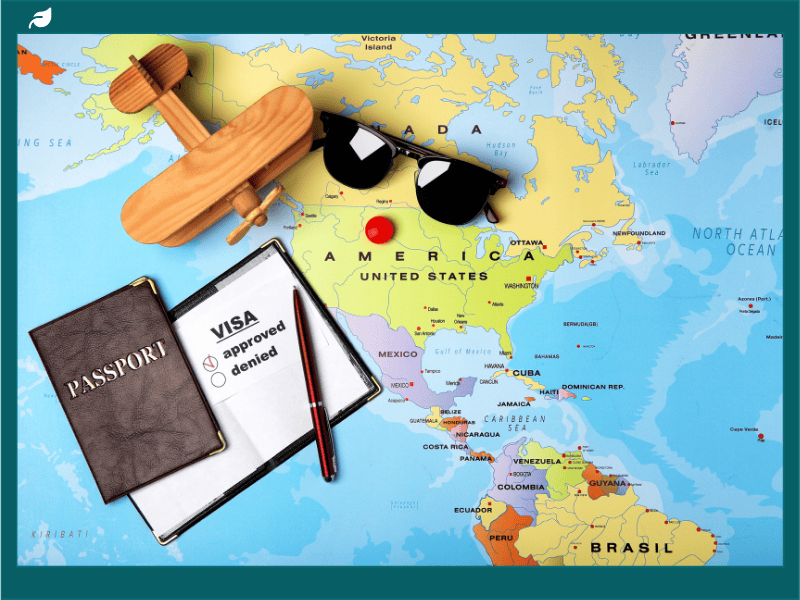
The Role of Legal Understanding in Sustainable Visa Planning
Legal knowledge is the foundation of every effective visa strategy. Interpreting immigration laws correctly ensures compliance, reduces processing delays, and minimises unnecessary reapplications that consume time, money, and administrative resources.
From a sustainability perspective, clear legal planning reduces inefficiencies in migration systems. Failed or delayed applications lead to repeated paperwork, duplicated processing, and prolonged uncertainty for employers and applicants alike. Legal professionals help avoid these issues by ensuring applications are accurate from the outset, supporting smoother workforce transitions and reducing strain on public systems.
Keeping Up With Policy Changes in a Shifting Global Landscape
Immigration policies evolve in response to economic conditions, labour shortages, political priorities, and demographic changes. These shifts increasingly intersect with sustainability concerns such as ageing populations, skills gaps, and equitable access to employment opportunities.
Legal professionals track policy updates that affect eligibility, documentation, and timelines, allowing applicants and businesses to adapt proactively. Staying aligned with current regulations supports responsible migration planning and helps organisations build resilient, future-ready workforce strategies that respond to real economic needs rather than short-term fixes.
Preparing and Verifying Documents to Reduce Waste and Delays
Accurate documentation is central to visa success. Poorly prepared applications often result in delays, rejections, and repeated submissions, increasing administrative waste and prolonging uncertainty.
From a sustainable operations standpoint, thorough document preparation reduces unnecessary processing cycles and conserves institutional resources. Legal review ensures applications are complete, credible, and compliant, improving approval rates while reducing the environmental and economic costs associated with repeated applications and extended processing times.
Addressing Common Challenges With Responsible Legal Guidance
Visa applicants frequently encounter challenges such as unclear eligibility, missing documentation, or time-sensitive requirements. These issues can stall relocation plans, disrupt employment timelines, and create financial stress for both individuals and organisations.
Legal guidance provides practical solutions that keep processes moving efficiently. When alternatives are available, such as substitute evidence or revised pathways, professionals help applicants remain compliant without restarting the process. This problem-solving approach supports smoother mobility while reducing the waste associated with failed or abandoned applications.
Customised Visa Strategies That Support Long-Term Mobility
Every visa application reflects unique circumstances, whether related to employment, education, family reunification, or business expansion. Sustainable visa planning recognises these differences and avoids one-size-fits-all approaches.
Legal professionals develop tailored strategies that align individual goals with regulatory frameworks and labour market needs. For businesses, this means selecting visa pathways that support long-term workforce retention rather than short-term hiring solutions that require constant renewal. Customised planning strengthens stability for both employers and employees, contributing to more sustainable mobility outcomes.
Avoiding Costly Mistakes That Undermine Efficiency
Errors in visa applications lead to delays, additional costs, and sometimes outright refusals. These outcomes create inefficiencies that ripple through organisations, affecting project timelines, staffing plans, and operational continuity.
Preventative legal review helps identify risks early, reducing the likelihood of disruption. By addressing potential issues before submission, businesses and individuals protect both financial resources and long-term planning objectives, reinforcing sustainable decision-making.
Understanding Timelines for Strategic Workforce Planning
Visa processing times vary widely depending on country, visa category, and policy conditions. Legal professionals provide realistic expectations that allow applicants and organisations to plan responsibly.
Clear timeline awareness supports sustainable workforce planning by reducing last-minute relocations, emergency staffing solutions, and reactive decision-making. When expectations are aligned with reality, organisations can integrate migration into broader operational and sustainability strategies more effectively.
Preparing for Interviews and Ongoing Compliance
Visa interviews and post-approval compliance are critical stages in the migration process. Legal preparation helps applicants communicate clearly and confidently, reducing the risk of misinterpretation or refusal.
Sustainability also extends beyond approval. Ongoing compliance with visa conditions supports fair labour practices, regulatory integrity, and long-term mobility opportunities. Legal guidance ensures applicants understand their responsibilities, helping maintain trust in migration systems and supporting ethical workforce participation.
Conclusion
Legal insight is a cornerstone of sustainable visa planning. By combining regulatory knowledge with strategic foresight, individuals and organisations can navigate global mobility in a way that is efficient, compliant, and socially responsible.
As migration continues to shape global labour markets, visa strategies grounded in legal clarity help reduce waste, improve workforce stability, and support sustainable economic growth. For those planning to move, hire internationally, or expand across borders, informed legal guidance is not just a safeguard—it is a strategic investment in long-term resilience and responsible global participation.