It is only natural to admit that the eyes of the majority of the audience become cloudy as soon as someone begins discussing the photovoltaic efficiency indexes or the torque of wind turbines. Renewable energy is truly interesting, but how is it taught? Not so much.
The bad news is that interactive learning has transformed the game altogether. Information actually becomes internalized when learners put it into action as opposed to passively receiving it. And since one of the most pressing issues of our era is the topic of renewable energy, it truly does matter to be correct in this aspect.
Begin with Real-World Simulations
It is almost magical to watch a simulated solar panel reacting in real time as you move the angle towards a simulated sun. Simulation tools provide the learner with instant feedback, which textbooks can never reflect.
- Professional Modeling: Software such as HOMER Energy, or even more basic browser-based software, allows students to model off-grid systems, battery storage systems, and energy loads without having to have the equipment.
- Gamification: Even simple simulative games, such as building a small renewable grid and leaving the lights on to serve a virtual neighborhood, can generate interest in younger learners.
The point is to allow the people to make choices and experience the outcomes. Failure is a great teacher in a simulation and it is free.
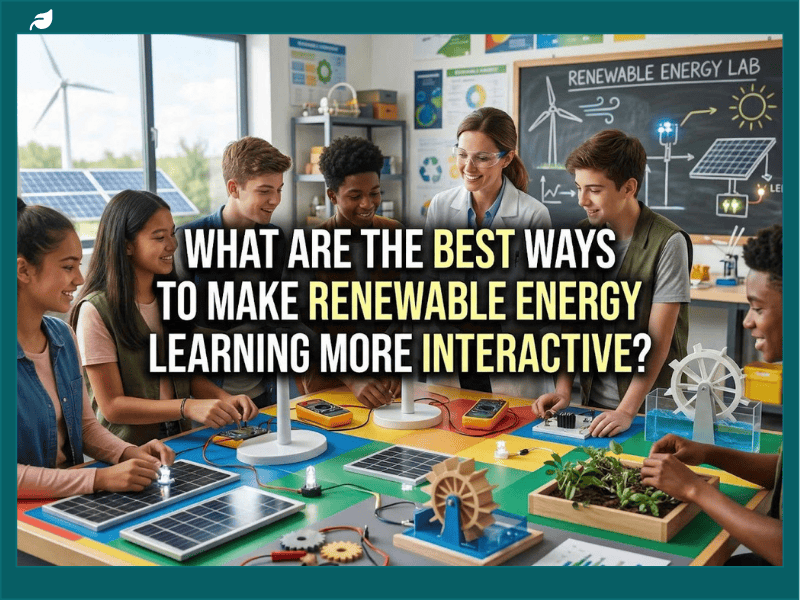
Bring in Physical Hands-On Kits
There is nothing like creating a small wind turbine of cardboard and a motor, or hooking a small solar cell to a motor. Agricultural kits bring abstract concepts of energy to reality.
This has been going on in schools and community centers over years, and even at home, with a low-cost solar car kit or a DIY battery project, a rainy afternoon can be a valuable learning experience. The touch factor is more than we usually realize. When a child picks up a little turbine and feels the wind turn the blades, he or she realizes the conversion of energy in a manner no diagram can explain.
Use Video Content But Participatory
Watching a video passively is one step higher than reading a textbook. It becomes different when the learners are required to interact with the content.
Engagement Strategies:
- Active Viewing: Pause-and-predict or video quizzes.
- Content Creation: Activities in which the students will be asked to develop their own explainer clip will all place the observer in the role of participants.
- Visual Summaries: A surprisingly useful technique is to request students to turn short video clips into visual summaries or animations. Online Video to GIF Tool may assist learners to condense the most important moments of educational videos down into a visual, shareable snack-sized bite, which is particularly effective in the process of summarizing how a concept such as tidal energy or geothermal heating works in practice in a step-by-step manner.
Incorporate Storytelling and Creative Projects
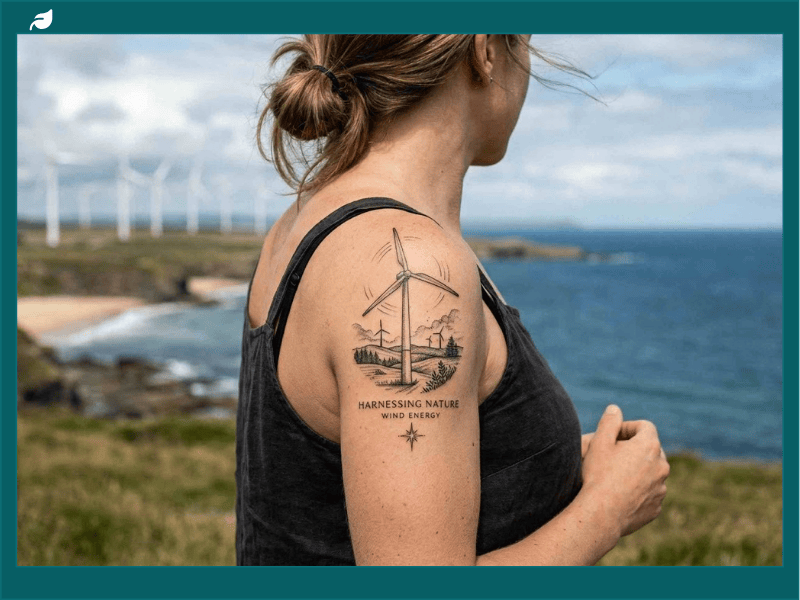
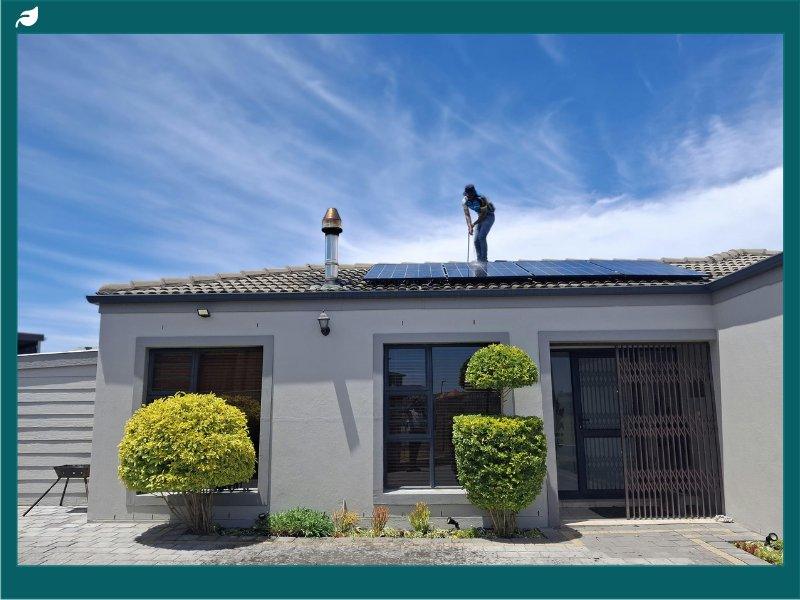
Individuals relate to narratives, not fact sheets. Putting renewable energy in the context of actual communities, such as a village in rural Nepal that is now micro-hydro-powered, or a school district in Texas which has reduced its power bill with rooftop solar, puts numbers in human perspective.
Ask learners to develop their projects on these stories. A student that creates a short story about his/her vision of a future solar-powered city, or comes up with a visual image of how his/her neighborhood will look in 2050 is thinking in a much more cognitively stimulating way than learning the definition of what net metering is. Other teachers have gone so far as to get students to design abstract symbolic art to symbolize clean energy ambitions with a Picture to Tattoo Generator a surprisingly good method of making abstract values feel personal and indelible.
Leverage Field Trips and Community Connections
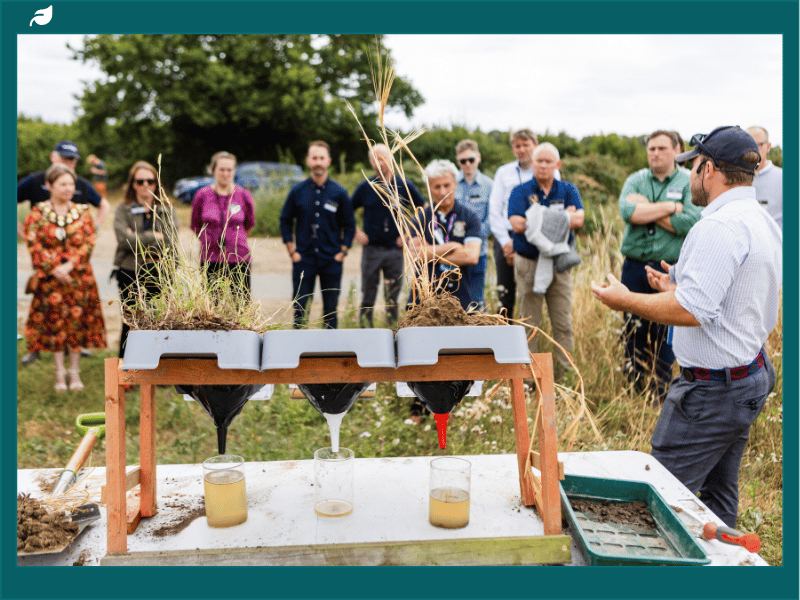
A trip to a real wind farm, a solar plant, or even a control center of a local utility transforms it all. These experiences have a pre and post quality. It is suddenly time to see the textbook notion of a grid integration as an actual room where the monitors and engineers are working with the real-time electricity flow.
Virtual Alternatives: Virtual tours have become very impressive substitutes to physical field trips in case they are not possible. Lots of renewable energy organizations currently provide 360-degree tours of their plants. It is not as good as being at the foot of a 300-foot turbine, but it is much better than a flat photograph.
Create Collaborative Challenges and Competitions
Humans are naturally competitive, and a well-designed challenge can transform motivation almost overnight
- Energy Audits: One of the most brilliant combinations of research, problem-solving, and relevance to the real world is energy audits, during which students measure and analyze the amount of energy used in their school and suggest renewable solutions to the problem.
- Competitions: Science fairs about renewable energy, inter-school contests of the most sustainable design or community challenges to lower carbon footprints all play into the same motivation.
Once learners know that their work has stakes, including social ones, the engagement is soaring.
The Takeaway
Interactive education in renewable energy is not only a pedagogical luxury, but a necessity in case we would like the next generation to be concerned enough to actually do something about the issue of climate change.
The methods are available:
- Simulations
- Practical kits
- Creative tasks
- Video interaction
- Community interactions
- Group challenges
The thread connecting all of them is the same. Give people agency. Allow them to experiment, build, create and share. That is when learning becomes not a burden but something worth attending.