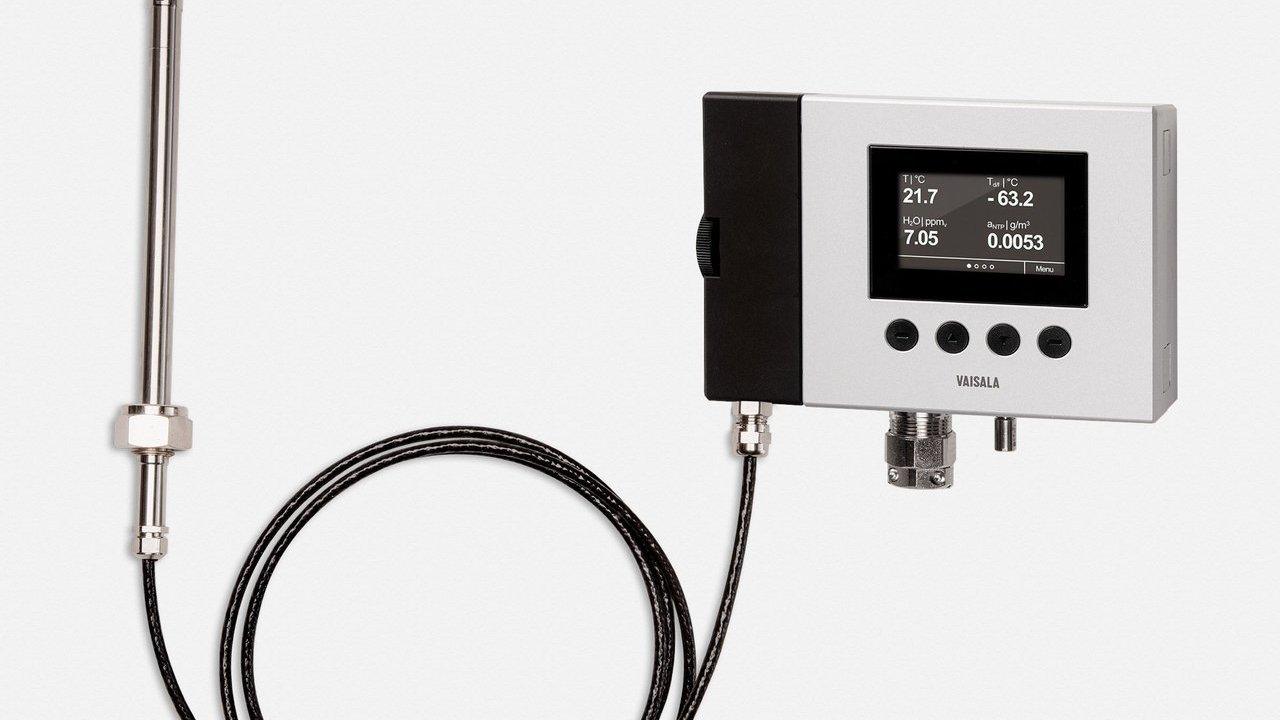
JTEC Energy is preparing its hydrogen-based waste-heat-to-power technology for field deployment with moisture measurement equipment from Vaisala. The company’s closed-loop gas management system removes and recirculates more than 99.99 percent of moisture introduced into the process, while Vaisala instruments monitor three critical points in its production architecture. The approach is intended to protect metal hydride reactors, support electrochemical stack performance and provide confidence in a system that uses waste heat as its only fuel. JTEC has standardised on the Vaisala DMT143, HMP7 and DMP370 across R&D and production applications.
Balancing Hydrogen And Moisture
JTEC’s system uses hydrogen as a working fluid, pairing heat-driven compression with electrochemical stacks that convert hydrogen pressure into electrical potential. Waste heat is delivered to a metal hydride reactor, where heating releases hydrogen at a pressure linked to temperature. The pressurised gas then passes through electrochemical stacks to generate power before returning at lower pressure to another reactor, allowing a single hydrogen charge to circulate in a fully closed loop.
The two sides of the process have sharply different moisture requirements. The electrochemical stack requires humidified hydrogen to keep its membranes operating efficiently, while metal hydride reactors must be protected from excessive water exposure. Excess moisture can contribute to oxide layers that limit hydrogen absorption and reduce reactor performance, making precise drying before gas returns to the reactors a central operating requirement.
Julian Bell, Vice President of Engineering at JTEC Energy, said:
“At its core, humidity measurement is so important to JTEC because we have two parts of our system that work really well, but for them to work well together, we have to ensure that we can control humidity passing back and forth between them really tightly,”
Reliable Measurement In Hydrogen
Before selecting Vaisala equipment, JTEC used conventional relative humidity and dew point sensors during laboratory and R&D work. Those instruments were not always robust enough when exposed to condensation or saturation events. A saturated probe could require an experiment to be stopped while equipment was dried, cleaned and reset, with one six-hour test taking three days to complete.
The operational stakes are greater as the technology reaches production scale. JTEC states that the waste-heat conversion subsystem can account for more than a third of total system cost, while moisture overexposure can degrade reactor performance and trigger offline maintenance. The company needed instruments suited to hydrogen, dynamic pressure and flow conditions, control-system integration and hazardous-area requirements.
Julian Bell, Vice President of Engineering at JTEC Energy, said:
“The honest truth is that we had not found a good sensor option before we came to Vaisala,”
Three Critical Measurement Points
JTEC first piloted a Vaisala dew point sensor in an internal R&D project in 2023. As it developed its first production system and field pilot, the company selected Vaisala based on low dew point performance, calibration stability, availability, integration flexibility and technical support.
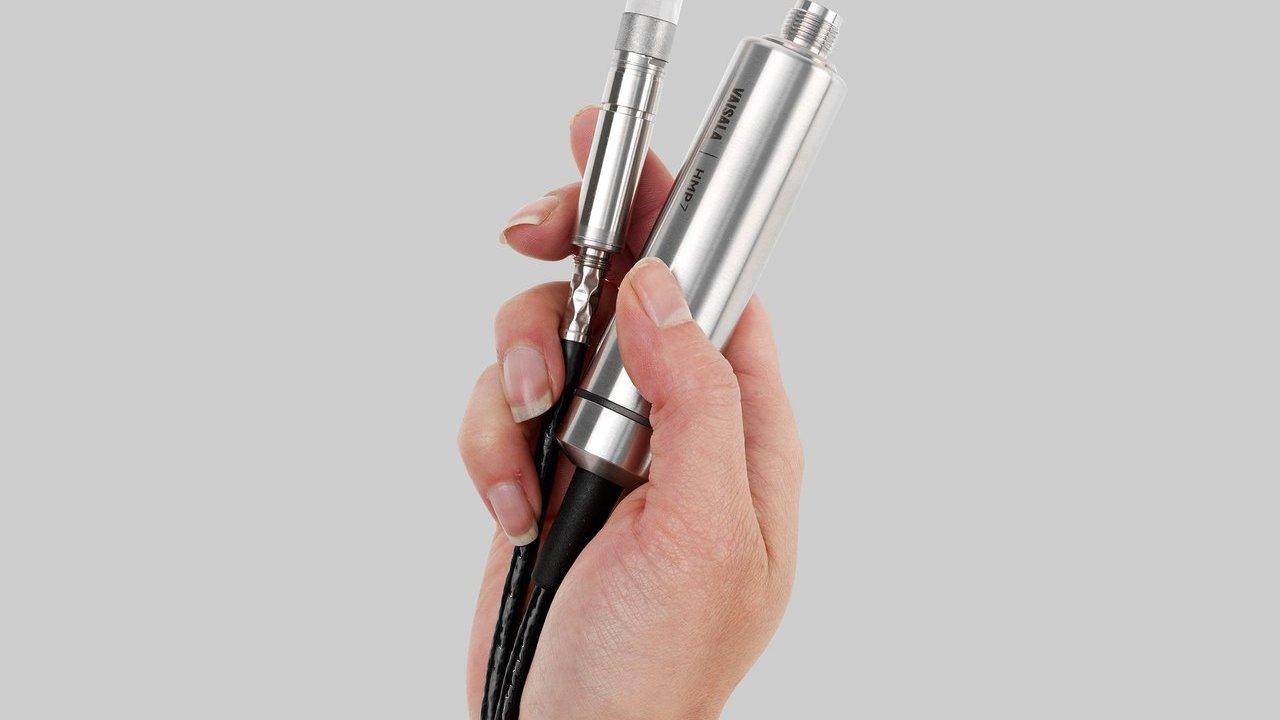
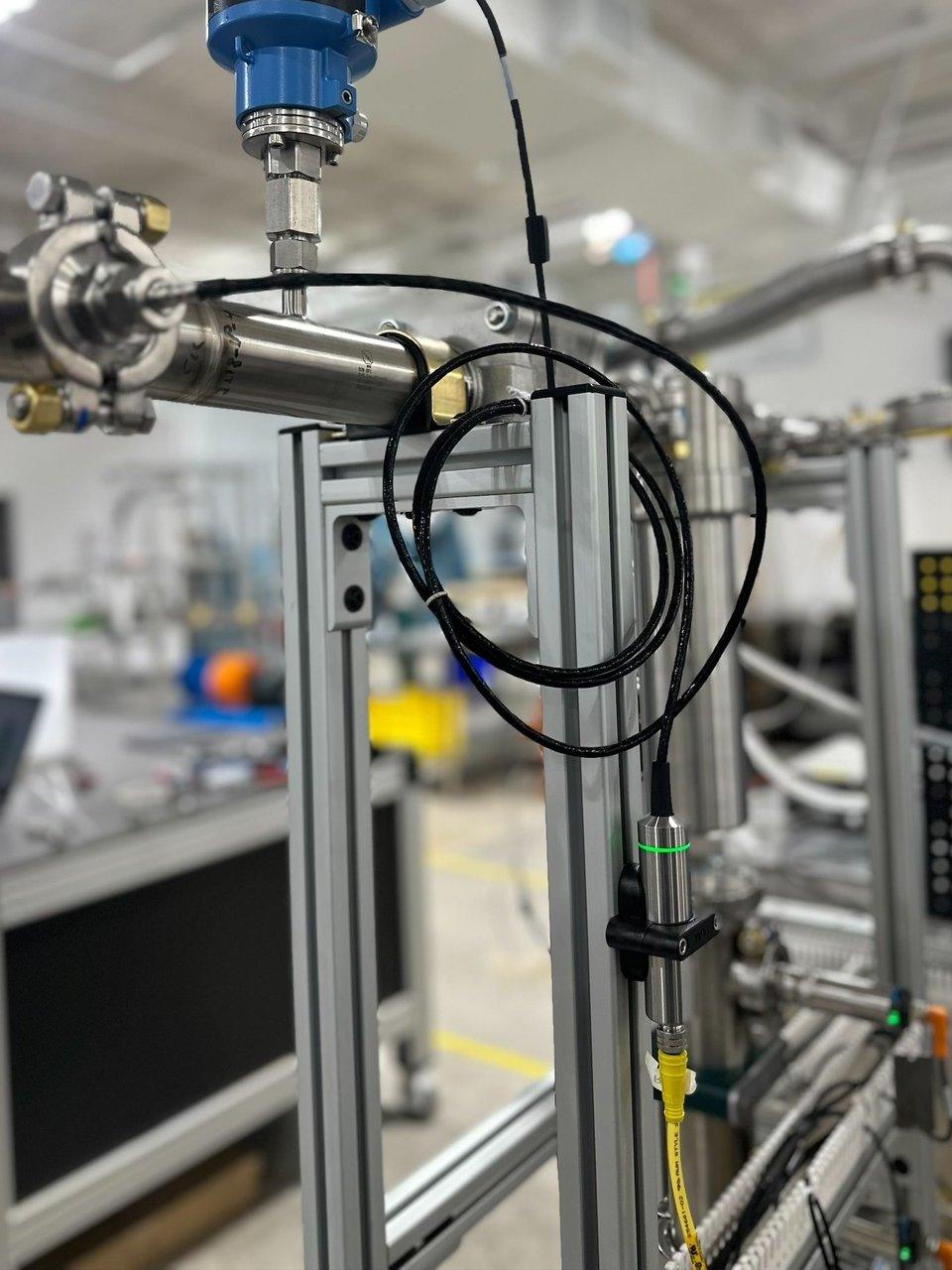
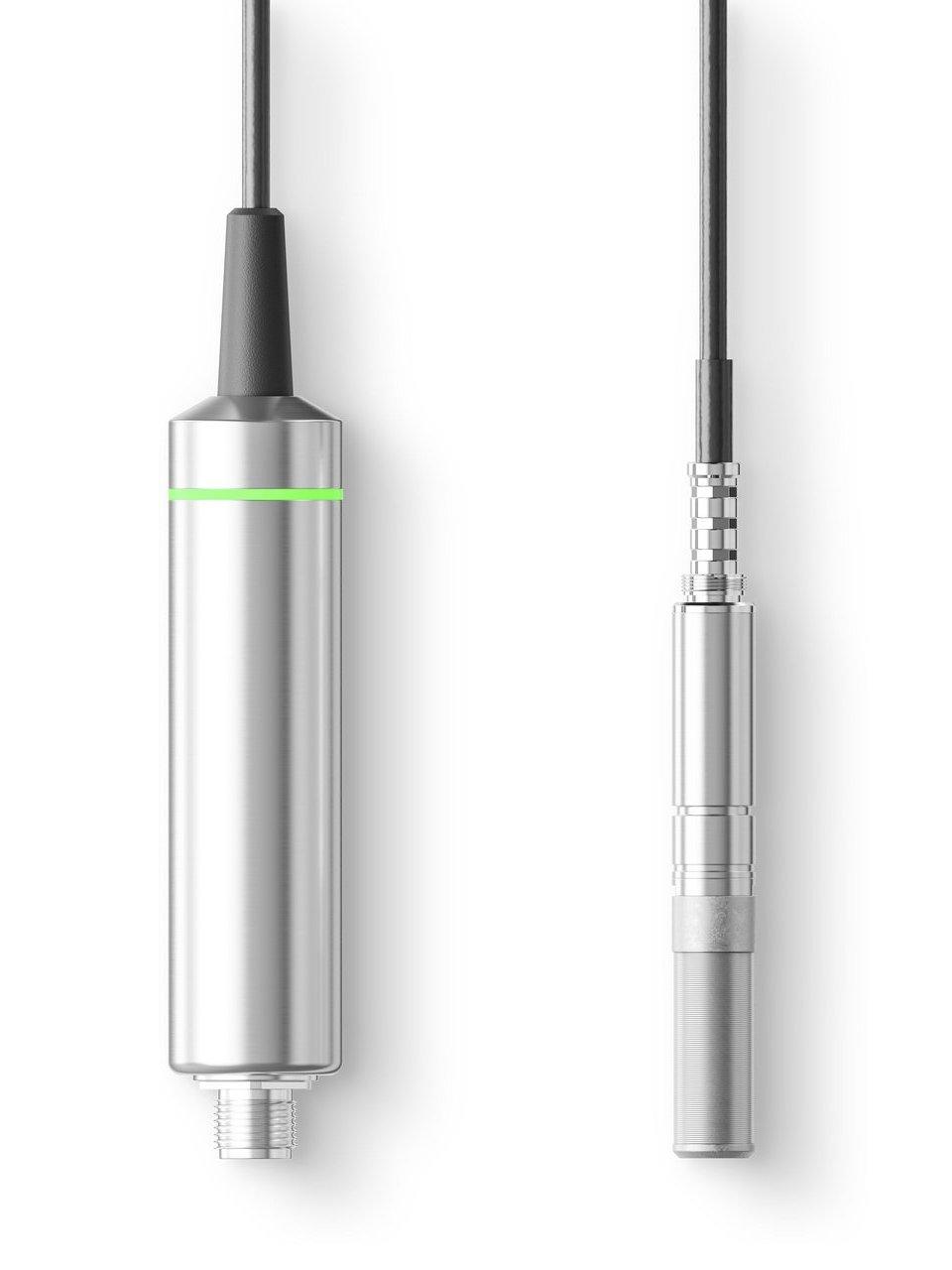
The first measurement point comes after the initial stage of dehumidification, once hydrogen has left the electrochemical stack and much of its moisture has been removed. Here, an HMP7 relative humidity and temperature probe is used to confirm system performance and help avoid condensation in the line. At a later moisture-management stage, a DMP370 Ex-rated sensor measures low dew points before hydrogen returns to the metal hydride reactors.
A third device, the DMT143 dew point transmitter, is installed in the maintenance manifold. This supports startup, shutdown and maintenance operations by confirming that moisture is not transferred from the wet side of the system into dry sections supplying hydrogen to critical components. The sensor suite was installed alongside wider system assembly and integrated into JTEC’s control system.
Julian Bell, Vice President of Engineering at JTEC Energy, said:
“Vaisala’s auto-calibration is a key feature that improves confidence in the number coming back to us, which has been a huge benefit,” Bell said. “At the same time, we have been able to integrate pressure compensation routines into our dew point measurements with support from Vaisala engineers, and that expertise really shines through.”
Supporting Field Deployment
Moisture measurement in hydrogen at pressures substantially different from atmospheric conditions is not fully understood across the scientific community or industry, according to JTEC. Vaisala has provided the company with access to doctoral-level humidity metrology scientists, helping its engineering team assess pressure compensation and measurement confidence at low dew point levels.
For the field pilot, JTEC needs close and repeatable monitoring of moisture in hydrogen returning to the reactor system. The company reports that stable readings from the DMP370 can also simplify dehumidification control by maintaining direct visibility of moisture in the exiting gas during column switching.
Julian Bell, Vice President of Engineering at JTEC Energy, said:
“I would have to have the highest level of certainty in my moisture measurements in order to feel comfortable running a reactor system of this scale in a field pilot, and Vaisala provides this certainty,” Bell said. “The investment in the reactor system is too great to justify running it if you are not 100 percent confident that you know what kind of moisture content you are putting back into the reactors.”
A Foundation For Scale
JTEC now uses DMT143 transmitters as standard dew point sensors in its R&D operations, while the DMT143, HMP7 and DMP370 are standard components within the company’s production system architecture. The instruments support measurement of moisture removal performance, protection of metal hydride reactors, accurate low-dew-point readings and preparation for hazardous-area installations.
As JTEC progresses from laboratory development to field operation, the measurement programme provides real-time visibility across the wet and dry ends of its gas-management process. This capability will be important in demonstrating that the company’s closed-loop approach can maintain reactor health and reliable control while converting waste heat into electricity.
Julian Bell, Vice President of Engineering at JTEC Energy, said:
“Vaisala provides one of the three most important sensors in our entire system, with the moisture sensor being the most important sensor for the longevity of our system,” Bell said. “This is the one place where we could not be happier and are not looking for new sensors.”