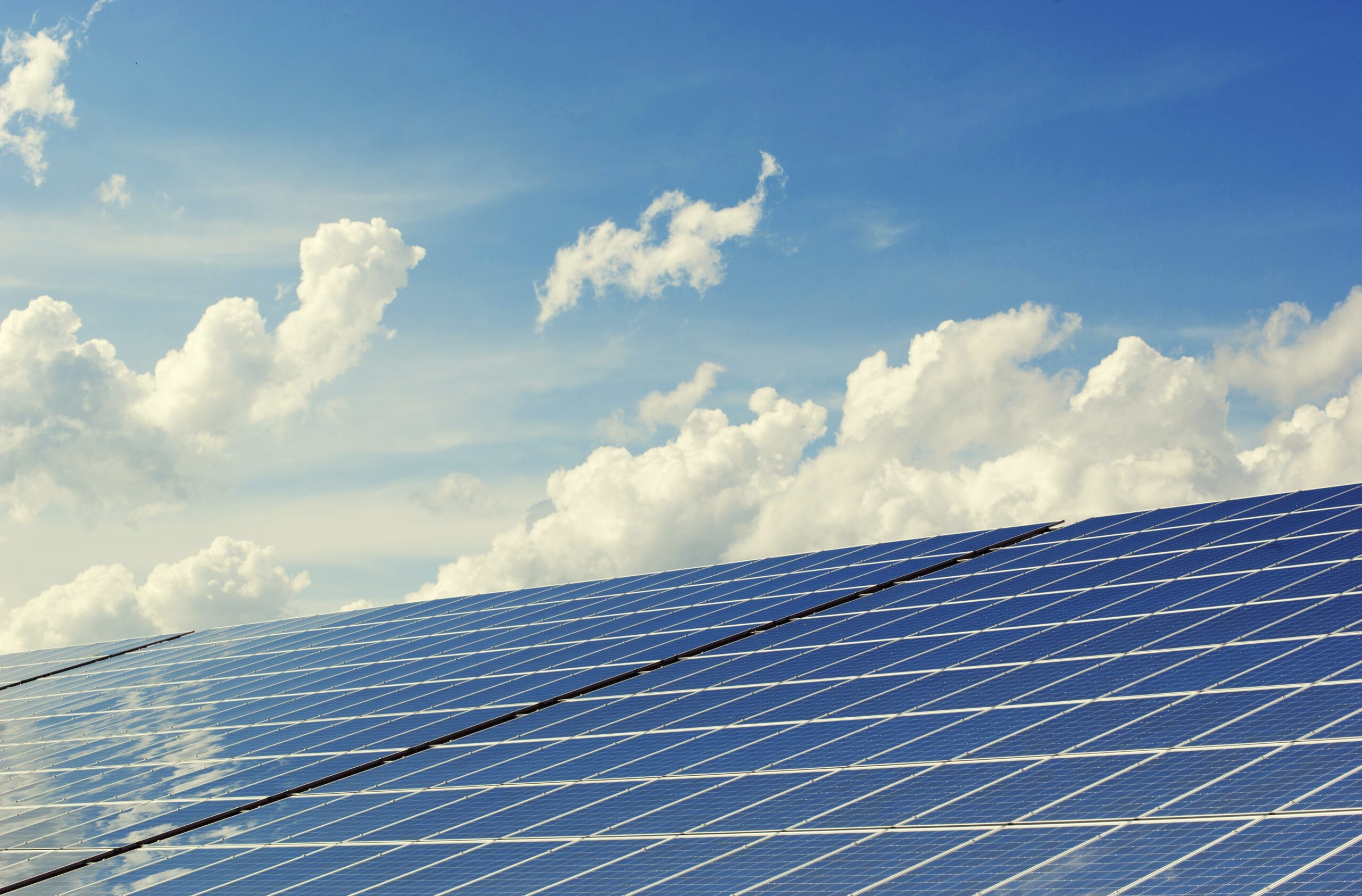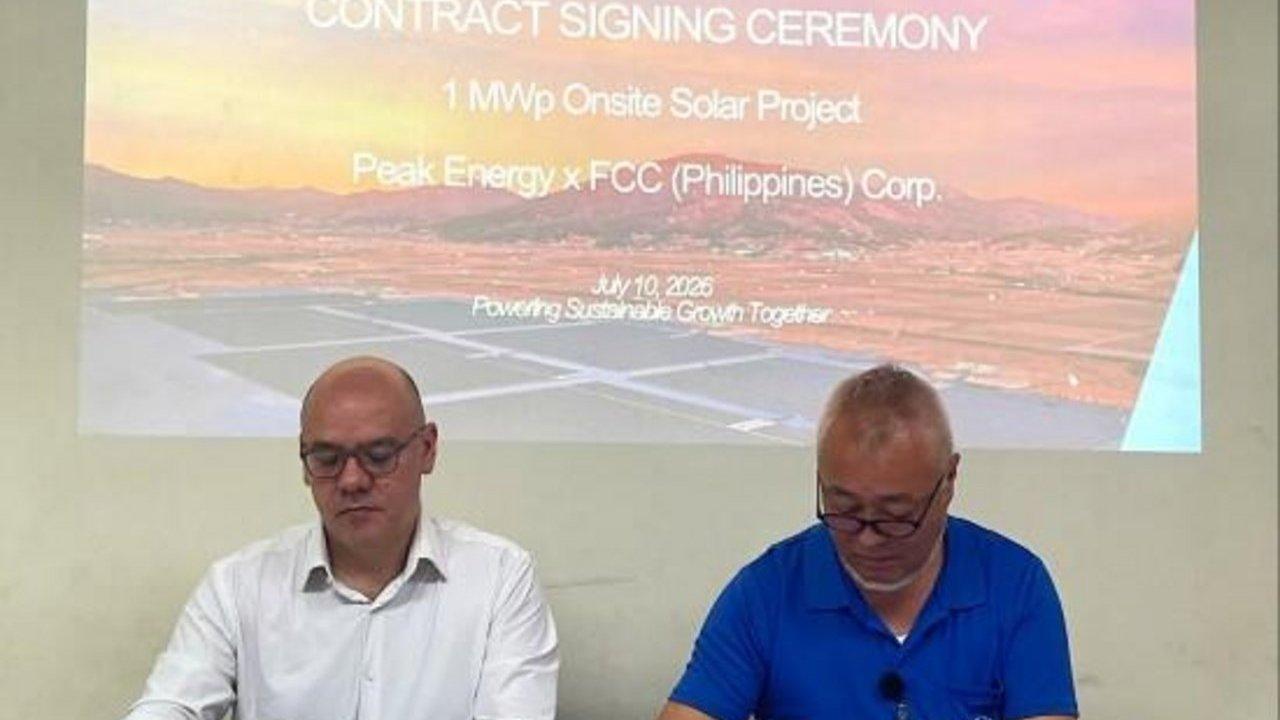
A 1,500 MWh onsite solar agreement between Peak Energy and FCC (Philippines) Corp. will supply the motorcycle clutch manufacturer’s Laguna facility with electricity priced roughly 30% below prevailing grid tariffs. The 15-year deal, signed on 10 July, covers a 1 MWp onsite solar installation expected to generate approximately 1,500 MWh in its first year of operation. FCC Philippines is a subsidiary of Japan’s FCC CO., LTD., which holds more than 50% of the global motorcycle clutch market and supplies Honda, Yamaha, Suzuki, Kawasaki, Ford, Harley-Davidson and BMW, among others. The arrangement is expected to avoid around 650 tons of CO₂ annually, equivalent to avoiding the consumption of almost 252,000 litres of gasoline.
A Cost and Resilience Play for a Tier1 Supplier
The commercial logic behind the agreement centres on cost stability as much as decarbonisation. Under the structure, Peak Energy will design, finance, construct, own and operate the solar system, while FCC Philippines purchases the electricity generated with no upfront capital outlay. That model shifts construction and ongoing operations and maintenance responsibility onto Peak Energy, leaving the manufacturer to access competitively priced power without carrying asset risk.
FCC Philippines has manufactured integrated clutch systems in the country since 1993, supplying not only the world’s four largest motorcycle OEMs but also established brands across the two-wheel and four-wheel industries. With global automotive supply chains facing mounting pressure to reduce embedded emissions, the agreement gives the company a tangible mechanism to bolster its standing within that chain.
Executives Frame the Deal Around Price and Delivery
For Peak Energy, the project extends a pattern of onsite power agreements struck with Japanese-parented manufacturers operating across Asia, including JTEKT (Toyota Group) in Japan, AICA in Thailand and Yokogawa in Singapore.
Gavin Adda, CEO of Peak Energy, said:
“Industrial buyers in the Philippines are increasingly looking for power that’s cheaper than the grid and shielded from imported fuel prices. This project delivers both, at a 30% discount to grid tariffs. We are glad to see FCC moving toward a developer with the financial strength and engineering capability to deliver at scale.”
Aligning With FCCs Carbon Neutrality Targets
The agreement is positioned by FCC Philippines as part of a broader corporate commitment. FCC CO., LTD. Group has set a target of achieving carbon neutrality by 2050, with an interim goal of a 50% reduction in carbon emissions by 2030.
Tsuyoshi Nakada, President of FCC (Philippines) Corp., said:
“This solar project represents an important milestone in FCC’s journey toward a more sustainable future.”
“As part of the FCC CO., LTD., Group’s commitment to achieve carbon neutrality by 2050, with a 50% reduction in carbon emissions by 2030, we continue to invest in initiatives that reduce our environmental footprint while strengthening the resilience of our operations. We are pleased to partner with Peak Energy in advancing these shared sustainability goals.”
A Growing Market for Onsite Power
The transaction lands against a backdrop of rising industrial appetite for cheaper, more predictable power in the Philippines, where the Department of Energy has set a target of a 35% renewable energy share by 2030. As demand grows for lower-cost, weather-independent electricity, developers with the balance sheet and engineering track record to build and operate assets at scale are increasingly winning business from manufacturers seeking to insulate themselves from imported fuel price swings.
Peak Energy is headquartered in Singapore and develops, owns and operates renewable assets across the Asia Pacific region, with more than 300 MW of operating assets and 2 GW of projects in development spanning Japan, Korea, Australia, Taiwan, the Philippines, Thailand, Singapore and Indonesia. The company is wholly owned by Stonepeak, an infrastructure and real assets investment firm with approximately USD 88 billion of assets under management.
What The Agreement Signals
For a manufacturer supplying components to some of the world’s largest automotive and motorcycle brands, locking in fixed-price, lower-cost renewable power for 15 years offers more than an emissions reduction story: it provides a hedge against grid tariff volatility while supporting the kind of embedded-carbon reductions that supply chain partners increasingly expect. The deal adds FCC Philippines to a growing roster of Japanese-parented manufacturers turning to Peak Energy for onsite renewable capacity across the region, a trend likely to continue as industrial buyers weigh cost competitiveness alongside sustainability commitments.
Looking for a solar installer?
Compare MCS-certified solar panel installers across the UK in our directory, with ratings, reviews and free quotes, listed by county.
Related solar guides: