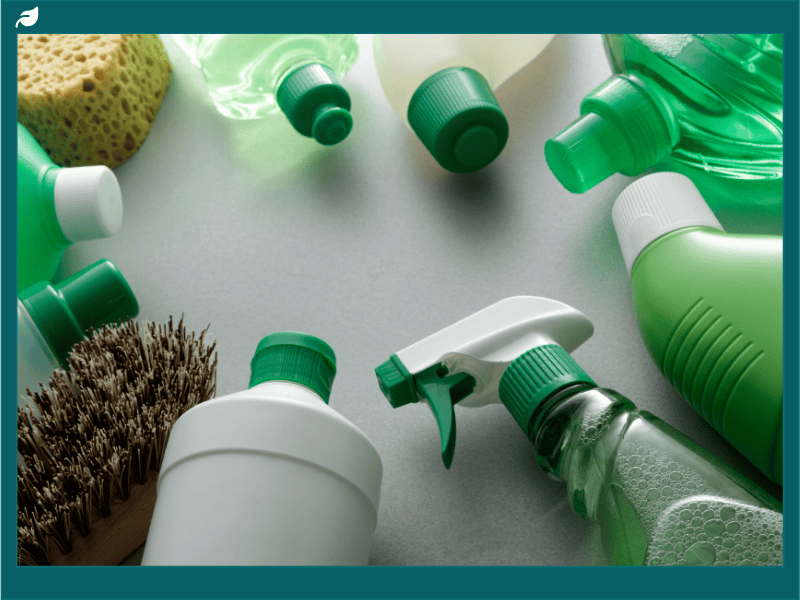
Keeping a clean home often involves a steady supply of sprays, detergents, paper towels, sponges, and disposable packaging. While these products can make everyday chores easier, they can also create waste when they are used unnecessarily or replaced more often than needed. For families trying to make more environmentally conscious choices, cleaning is a practical place to start.
Green cleaning does not require replacing every product in your cupboard or creating a complicated routine. It is about making thoughtful decisions that reduce waste while maintaining a hygienic and comfortable home. Small changes, such as using washable cloths, choosing suitable refills, and buying only what you need, can help create a more sustainable approach that fits your everyday life.
Start With the Products You Already Own
One of the simplest ways to reduce household waste is to use the cleaning products you already have before purchasing replacements. Throwing away usable supplies simply because you want to switch to greener alternatives can create unnecessary waste. Instead, take stock of what is in your cupboards and identify which products are still useful.
As items run out, consider whether a lower waste alternative would suit your needs. You might choose a refillable spray bottle, a concentrated cleaner, or a product with less packaging. Making changes gradually allows you to learn what works for your household without spending money on products you may not use.
Discuss Cleaning Preferences When Hiring Professional Help
Professional cleaning can be useful when deeper household tasks become difficult to manage, but it is worth discussing your preferences before an appointment. If reducing waste is important to you, ask whether the cleaner can use suitable products you provide, whether reusable cloths are an option, and how cleaning supplies are normally handled. Clear communication helps ensure that the service fits your household’s priorities.
For an overview of how an online cleaning platform works, the Homeaglow cleaning service review on Reviewed explains how customers can connect with independent local cleaners, review profiles, and communicate their cleaning needs. The paid brand partner article also discusses booking options and membership commitments. It does not establish that every cleaner offers environmentally focused services, so you should confirm product preferences and any special requirements directly before booking. Reviewing current pricing and terms is also important when deciding whether the service fits your budget.
Replace Disposable Paper Towels Where Practical
Paper towels are convenient, but they are not necessary for every cleaning task. Washable cloths can be used for wiping counters, dusting furniture, and cleaning many household surfaces. Reusing them can reduce the amount of disposable material your household goes through.
Choose cloths that are suitable for the surfaces you clean and wash them regularly according to their care instructions. Keep separate cloths for different areas, especially bathrooms and food preparation spaces, to reduce the risk of spreading contamination. Disposable materials may still be appropriate for certain messes, but using reusable options for routine cleaning can help reduce everyday waste.
Choose Refills and Concentrates Carefully
Refillable cleaning products can reduce the need to purchase a new bottle every time a product runs out. Some brands offer refill pouches, larger containers, or concentrated formulas that are diluted according to the manufacturer’s instructions. These options may use less packaging than repeatedly purchasing smaller ready to use bottles.
However, not every refill is automatically the better environmental choice. Consider the packaging, whether it can be recycled locally, and how much product you are likely to use. Always follow dilution instructions and use containers that are appropriate for the product. Never transfer cleaning chemicals into food or drink containers, and make sure every bottle is clearly labeled.
Avoid Buying More Cleaning Products Than You Need
It is easy to accumulate a separate cleaner for every room, surface, and type of mess. While some materials require specialized care, many everyday tasks can be handled with a smaller collection of suitable products. Reducing unnecessary purchases can help prevent unused bottles from collecting in cupboards and eventually being discarded.
Review the products you use regularly and identify any that serve similar purposes. Check manufacturer guidance before using a cleaner on a particular surface, especially natural stone, wood, or delicate finishes. A simpler cleaning cupboard can make your routine easier to manage while reducing the temptation to buy products you do not actually need.
Use the Right Amount of Product
Using more cleaner than necessary does not always produce a better result. Excess detergent or cleaning solution can leave residue, require additional rinsing, or waste product. Following the instructions on the label helps you use an appropriate amount for the task.
This is particularly important with concentrated cleaners and laundry detergents. Measure products when recommended rather than guessing, and avoid adding extra simply because a surface or load looks especially dirty. If the first attempt does not work, consider whether a different cleaning method or a suitable specialized product is needed instead of repeatedly increasing the amount used.
Make Laundry More Efficient
Laundry is a regular source of household resource use, so small changes to your routine can make a difference. Washing appropriate loads together, choosing suitable water temperatures, and using the correct amount of detergent can help avoid unnecessary waste. Always follow garment care labels and appliance instructions.
Consider whether an item genuinely needs washing after every use, particularly if it is not visibly dirty and has not been exposed to sweat or other contaminants. Airing suitable clothing between wears may help reduce unnecessary laundry. When possible, air drying can also be an option, provided you have a suitable space and the weather allows it. The aim is to make thoughtful choices without compromising hygiene.
Keep Cleaning Tools in Good Condition
Reusable cleaning tools only reduce waste when they are maintained and used for an appropriate length of time. Brushes, mop heads, and cloths should be cleaned and dried according to their instructions. Proper care can help prevent unpleasant odors, reduce contamination, and keep tools effective.
Replace items when they are worn out, damaged, or no longer suitable for hygienic use. A reusable sponge or cloth should not be kept indefinitely simply to avoid waste. The goal is to balance durability with cleanliness and safety, rather than extending the life of a product beyond what is practical.
Be Cautious With Homemade Cleaning Solutions
Homemade cleaners are sometimes presented as an environmentally friendly alternative to commercial products, but they are not suitable for every task. Ingredients such as vinegar or baking soda may be useful for certain types of cleaning, yet they can damage some surfaces or fail to provide the level of disinfection required in particular situations.
Never mix cleaning chemicals unless the manufacturer explicitly instructs you to do so. In particular, bleach should not be mixed with ammonia, vinegar, or other cleaning products. If you choose to make a simple cleaning solution, use a reliable recipe, label the container, and confirm that the ingredients are appropriate for the surface. For disinfection, use a product that is suitable for the intended purpose and follow its label directions.
Reduce Waste Through Better Organization
A cluttered home can require more cleaning because surfaces are difficult to access and belongings need to be moved repeatedly. Simplifying storage and reducing unnecessary possessions can make everyday maintenance easier without requiring additional cleaning products.
Give frequently used items clear places to go and choose storage that works for your household’s habits. Before buying new organizing supplies, consider whether you can reuse containers or baskets you already own. A practical system should make it easier to put things away rather than create another collection of products to maintain.
Dispose of Cleaning Products Responsibly
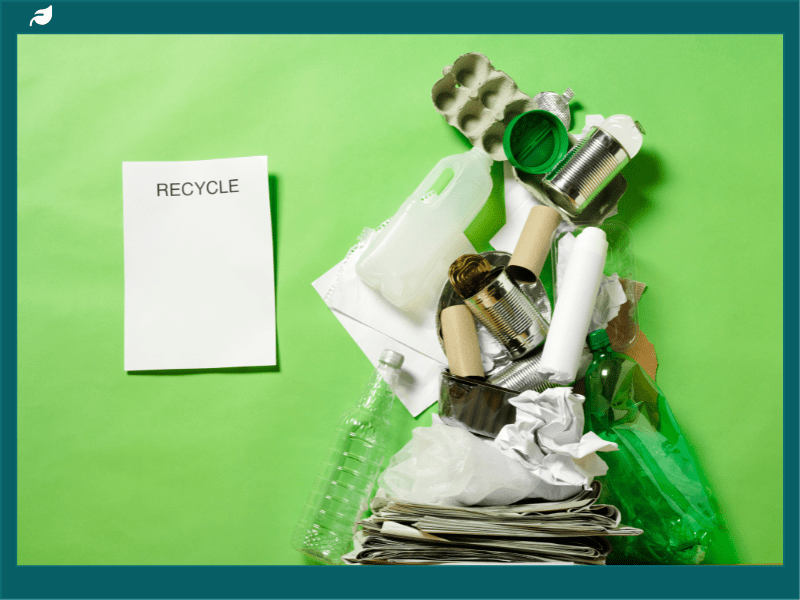
When a cleaning product is no longer usable, check the label and your local waste disposal guidance before discarding it. Some household chemicals require special handling and should not be poured down drains or placed in ordinary rubbish. Packaging may also need to be emptied or prepared in a particular way before recycling.
Avoid assuming that every container with a recycling symbol will be accepted by your local collection service. Recycling rules vary, and some packaging materials may not be supported. Following local guidance helps ensure that your efforts to reduce waste do not create additional environmental or safety problems.
Build a Routine You Can Maintain
Green cleaning is most effective when it becomes part of a realistic household routine. If you try to change every product and habit at once, the process can become expensive and difficult to maintain. Starting with a few manageable changes allows you to build confidence and discover what works for your family.
You might begin by replacing disposable paper towels for routine tasks, using existing supplies before buying new ones, or choosing a refill option when a cleaner runs out. Over time, you can review other areas of your routine and make additional changes where they are practical.
A cleaner home and a lower waste lifestyle do not have to be competing goals. By choosing suitable products, maintaining reusable tools, and avoiding unnecessary purchases, you can reduce household waste while keeping your living spaces comfortable and hygienic. The most sustainable routine is one that your family can follow consistently without adding unnecessary stress to everyday life.