Cooling systems are rarely the first place businesses look when trying to reduce operating costs, yet industry research consistently points to HVAC as one of the largest controllable expenses in commercial settings. Switching to energy-efficient cooling systems cuts energy consumption meaningfully, which translates directly into lower utility bills and healthier operating margins over time.
The sustainability side of the equation matters just as much. Upgrading to sustainable cooling technology reduces a facility’s carbon footprint and lowers greenhouse gas emissions, two outcomes that increasingly factor into investor reporting, procurement decisions, and regulatory expectations. These aren’t abstract goals; they’re measurable improvements that show up in annual energy audits.
Getting there starts with the installation decision. Businesses that hire the Island Breeze AC pros, for example, benefit from proper system sizing and configuration from the outset, which prevents the energy waste that oversized or poorly matched units create. When operational costs and environmental performance improve together, efficient cooling stops being an overhead line item and starts functioning as a genuine growth enabler.
How Efficient Cooling Drives Business Growth
The connection between cooling efficiency and business performance is more direct than it might first appear. Lower energy consumption reduces utility spend, which improves operating margins without requiring revenue growth. At the same time, sustainable cooling upgrades contribute to measurable reductions in carbon footprint and greenhouse gas emissions, outcomes that increasingly influence investor reporting, procurement decisions, and regulatory standing.
Businesses that approach cooling as a strategic asset rather than a fixed cost tend to see compounding benefits. Efficiency gains reduce exposure to energy price volatility, while modern systems generally require less reactive maintenance than aging equipment. Together, these factors support business continuity in ways that are difficult to achieve through cost-cutting alone.
Which Cooling Solutions Save the Most Energy
The range of available options can make it difficult to know where to start. In practice, the most meaningful savings come from two distinct areas: the equipment itself and the strategies that govern how it operates. Understanding both helps businesses prioritize investments that deliver lasting results.
High-Efficiency Equipment Upgrades
Not all cooling systems consume energy at the same rate, and the difference between an outdated unit and a modern replacement can be substantial. SEER rating (Seasonal Energy Efficiency Ratio) is one of the clearest benchmarks for comparison, with higher ratings indicating less energy consumed per unit of cooling delivered.
Inverter technology and variable speed compressors represent some of the most significant advances in this space. Rather than cycling fully on and off, these systems adjust output continuously to match the actual cooling load, which eliminates the energy spikes associated with traditional fixed-speed equipment.
Heat pumps have also gained ground as a dual-function alternative, capable of both cooling and heating a space using significantly less energy than conventional systems. For businesses evaluating modern heating and cooling systems, heat pumps often offer the strongest long-term efficiency case across both seasons. Businesses considering these upgrades often work with HVAC Rome GA professionals to assess system performance, compare high-efficiency equipment options, and identify solutions that align with both sustainability goals and long-term operating costs.
Building and Control Strategies
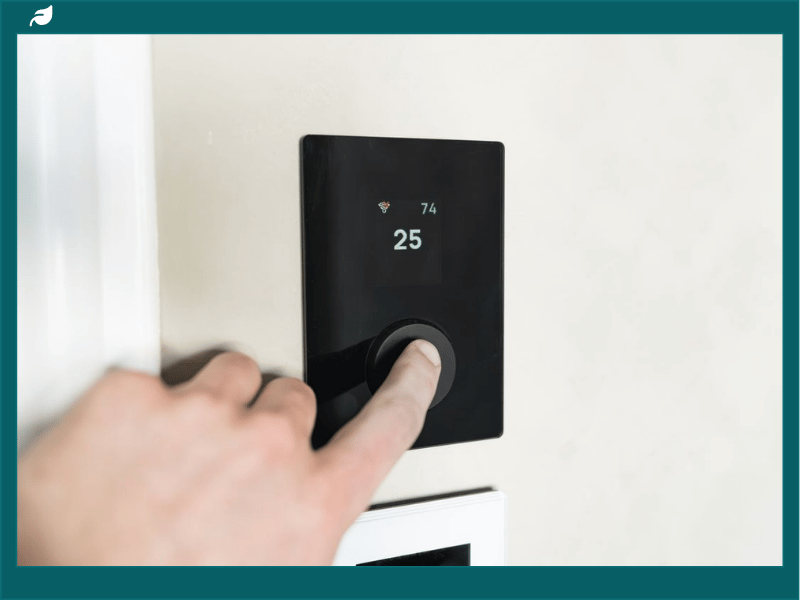
Equipment upgrades deliver the biggest gains, but operational strategies compound those savings considerably. Smart controls and programmable thermostats reduce energy use by matching cooling output to actual occupancy patterns, preventing systems from running at full capacity in unoccupied spaces.
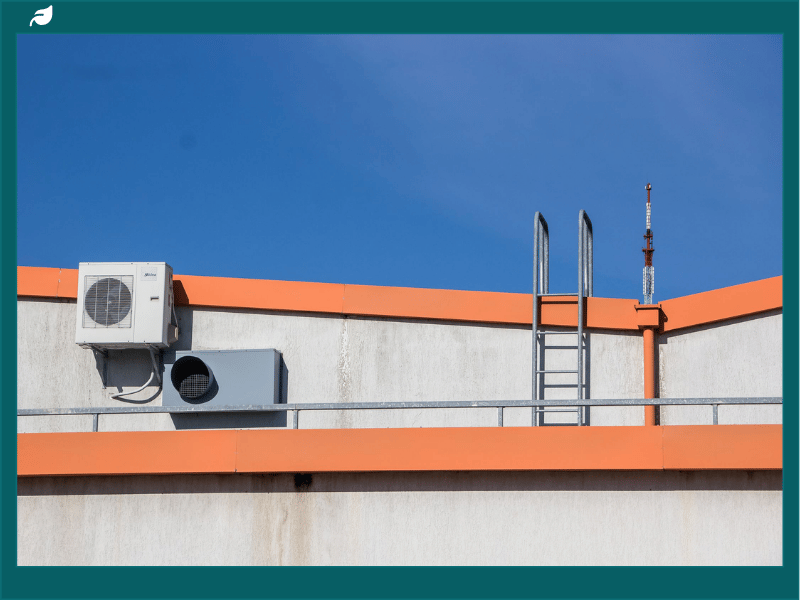
Passive cooling measures work at the building envelope level, reducing how much mechanical cooling is needed in the first place. Improved insulation, reflective roofing materials, and strategic shading can meaningfully cut peak load before the system even activates.
Together, these approaches form a layered strategy where each improvement reinforces the next.
What Makes a Cooling System Sustainable
Energy consumption is only part of the sustainability picture. A system can carry an impressive efficiency rating while still contributing significantly to greenhouse gas emissions if the refrigerant inside it carries a high global warming potential.
Refrigerant choice has become one of the more consequential decisions in sustainable cooling. Many older systems rely on refrigerants with high GWP values, meaning leaks or end-of-life disposal release potent greenhouse gases into the atmosphere. Low-GWP refrigerants address this directly, reducing the climate impact associated with a system’s full lifecycle rather than just its electricity draw.
Lifecycle thinking matters here because the carbon footprint of a cooling system extends well beyond how efficiently it runs day to day. Manufacturing, installation, maintenance, and eventual decommissioning all contribute to the overall environmental ledger.
Compliance pressure is sharpening this calculation for businesses across most sectors. Regulatory frameworks in many regions are phasing out high-GWP refrigerants on defined timelines, which means equipment specified today needs to align with where standards are heading, not just where they currently sit. As noted earlier, efficient equipment can still fall short if controls are outdated or refrigerants are incompatible with future requirements. True sustainable cooling means evaluating all three dimensions together: energy consumption, refrigerant profile, and system intelligence.
How Renewables and New Service Models Help
Improving the equipment and controls is a strong foundation, but businesses looking to go further have two additional levers available: changing how cooling is powered and changing how it is financed. Both can meaningfully extend the sustainability and financial case beyond what equipment upgrades alone can achieve.
Pairing Cooling with Cleaner Energy
Efficient equipment and smart controls reduce how much energy a cooling system consumes, but the source of that energy shapes the overall sustainability outcome just as meaningfully. Renewable energy integration addresses this by connecting cooling loads to cleaner power sources rather than relying solely on grid electricity.
Geothermal cooling draws on stable underground temperatures to reduce the work mechanical systems have to do, making it a strong strategic fit for facilities with the land access and upfront capital to support it. Solar-assisted approaches follow a different logic, using on-site generation to offset peak cooling demand during the hours when both sunlight and energy costs are highest. Neither option suits every business, but both move sustainable cooling beyond equipment efficiency into how the system is powered. Combining either with strategies that help cool roof systems cut energy demand compounds the benefit further by reducing heat absorption at the building level.
Why Financing Models Are Changing
Capital cost has long been the primary barrier stopping businesses from acting on what they already know about energy efficiency. Cooling as a Service has emerged as a model that separates equipment access from ownership, shifting the cost structure from a large capital outlay to a predictable service fee.
This matters because it removes the budget threshold that delays upgrades, allowing businesses to access higher-efficiency systems without the procurement cycle that capital projects typically require. The result connects directly to sustainable business growth: better performance is no longer contingent on available capital.
Where Efficient Cooling Matters Most
Not every business faces the same consequences when cooling underperforms, and some environments leave very little margin for inefficiency.
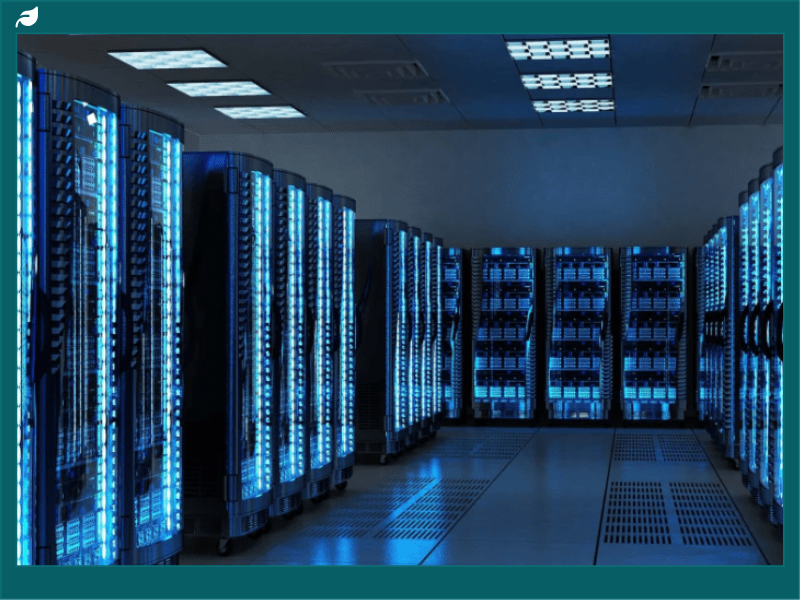
Data centers sit at the extreme end of that spectrum. Cooling accounts for a substantial share of total energy consumption in these facilities, and any lapse in thermal management translates directly into hardware failures, unplanned downtime, and compounding operational costs. Sustainable cooling in this context is not just an environmental preference; it is a core operational requirement.
Cold chain environments present a different but equally high-stakes case. Temperature-sensitive goods, whether pharmaceutical products, fresh produce, or perishable inventory, depend on consistent, reliable cooling throughout storage and transit. When systems underperform, product loss follows, and the financial damage can be immediate.
Offices, retail spaces, and mixed-use facilities also benefit from efficient cooling, particularly as energy costs remain a significant line item in operating budgets. The productivity and comfort gains are real, even if the consequences of a temporary failure are less severe than in a data center or cold chain setting. Across all of these environments, cooling performance connects directly to financial outcomes.
Frequently Asked Questions
How Do Energy-Efficient Cooling Solutions Reduce Business Operating Costs?
Energy-efficient systems consume less electricity to deliver the same cooling output, which lowers utility bills directly. Technologies like variable speed compressors and smart controls reduce energy waste further by matching output to actual demand rather than running at fixed capacity.
What Technologies Are Commonly Used in Sustainable Cooling Systems?
Common technologies include inverter-driven compressors, heat pumps, geothermal cooling, and programmable smart controls. Low-GWP refrigerants are also a standard component of modern sustainable cooling installations.
Can Renewable Energy Be Integrated with Commercial Cooling Systems?
Renewable energy integration is well established in commercial settings. Solar generation can offset peak cooling demand, while geothermal systems draw on stable underground temperatures to reduce mechanical load.
Why Are Low-GWP Refrigerants Important for Sustainable Cooling?
Refrigerants with high global warming potential release potent greenhouse gases when they leak or are disposed of. Low-GWP refrigerants reduce that lifecycle climate impact and align with regulatory phase-out timelines that affect equipment specified today.
Choosing a Cooling Path That Lasts
The strongest cooling decisions balance efficiency ratings, refrigerant profiles, control intelligence, installation quality, and room for future growth. No single factor carries the full weight, and businesses that treat any one of them as the whole picture tend to discover the gaps later in their energy bills or compliance timelines.
Thinking in lifecycle terms rather than upfront cost changes the calculation considerably. Energy-efficient cooling systems deliver their real value over years of operation, not at the point of purchase. Sustainable cooling reduces operational costs while keeping a facility aligned with where regulations and energy standards are heading, which is a sound foundation for long-term business growth.