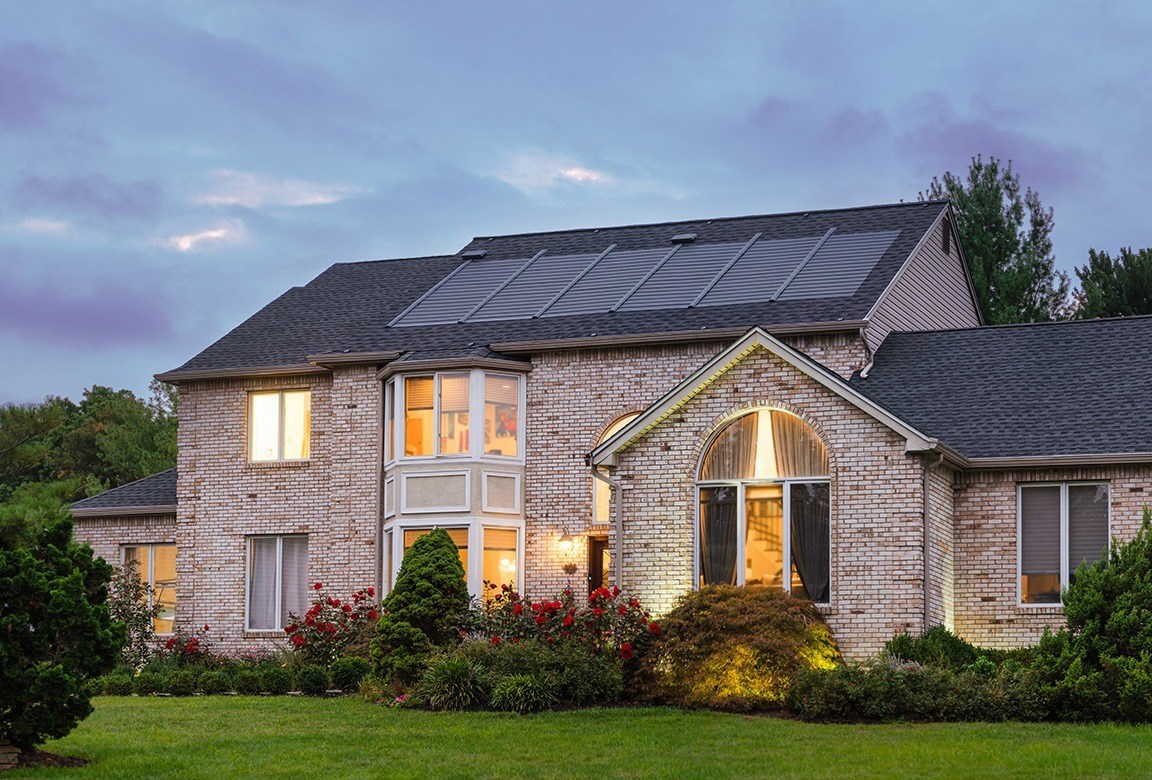
Utilities pay households and businesses with rooftop panels for the electricity those systems send back to the grid, a system called net energy metering. Under the newest version of that program, known as NEM 3.0, the rate paid for that surplus electricity is not the retail price other customers pay for power. It is the “avoided cost,” a much lower figure based on what the utility saves by not buying that electricity elsewhere.
That single change in how the math works is at the center of the california solar panel reimbursement legal battle, a fight that has now reached the state’s highest court. Regulators cut compensation for new solar customers by roughly 75%, and three advocacy groups sued to overturn the decision.
In August 2025, the California Supreme Court sided with those groups, at least on the question of how lower courts should scrutinize the decision. It did not decide whether the pay cuts themselves are legal. That question goes back to the Court of Appeal for a fresh look, this time without giving regulators the benefit of the doubt.
This piece breaks down how the payment system works, how the dispute got to court, what the justices actually ruled, and what it means for anyone with panels on their roof or thinking about installing them.
How the Payment System Actually Works
Net energy metering lets solar customers offset their electric bills with the power their systems generate. When a home produces more electricity than it uses, that excess power flows back onto the grid and the utility credits the account.
There have been three versions of the program in California, each less generous than the last:
- NEM 1.0 and NEM 2.0: solar customers were credited at close to the retail electricity rate, the same price the utility charges everyone else for that power.
- NEM 3.0: new customers are credited at the “avoided cost” rate, which reflects wholesale savings rather than retail value and runs far lower.
- Legacy protections: anyone who enrolled before the NEM 3.0 cutoff in April 2023 keeps their old rate for the life of their contract, typically about 20 years.
That difference in rate structure is why NEM 3.0 became such a flashpoint. A system that once paid for itself in six or seven years can now take twice as long under the new formula.
The Roots of the Dispute
The California Public Utilities Commission, the state’s utilities commission that regulates investor-owned power companies, approved the NEM 3.0 overhaul in December 2022. It took effect the following April.
The cpuc argued the old rules created an unfair cost burden. Regulators said non-solar households were effectively subsidizing grid upkeep for solar customers, who used the grid but paid less toward maintaining it.
Environmental and consumer groups pushed back hard. The Center for Biological Diversity, the Protect Our Communities Foundation, and the Environmental Working Group filed suit, arguing regulators ignored the broader value rooftop solar delivers, including reduced strain on transmission lines and progress toward the state’s climate targets.
- The commission is run by five members, all appointed by the governor.
- The three investor-owned utilities affected are Pacific Gas & Electric, Southern California Edison, and San Diego Gas & Electric.
- The lawsuit claimed the commission’s decision failed to weigh community and environmental benefits as state law requires.
Utilities pushed hard for the change too, and it is worth saying plainly: they were effectively lobbying to weaken their own biggest competitor, the households generating their own clean energy and needing less from the grid.
Inside the California Solar Panel Reimbursement Legal Battle
The california solar panel reimbursement legal battle did not start at the Supreme Court. It began when the commission rejected an appeal from the advocacy groups shortly after adopting the new rates.
That rejection triggered a formal lawsuit. In December 2023, a Court of Appeal ruled in the commission’s favor, applying a legal standard that gave regulators broad deference on policy calls.
The environmental groups argued that standard let the commission off the hook far too easily. They appealed again, this time to the california supreme court, asking the justices to weigh in on how much deference regulatory agencies deserve when their decisions get challenged.
- The supreme court agreed to hear the case in April 2024, a rare move since fewer than 3% of petitions are granted.
- That decision alone signaled the justices saw something significant at stake beyond one rate schedule.
- Oral arguments and briefing continued for more than a year before a ruling landed.
What the Justices Actually Decided
In August 2025, the court ruled unanimously that the lower court used the wrong standard when it reviewed the commission’s decision. It had been “highly deferential,” treating the commission’s judgment as presumptively correct.
The justices said that approach was mistaken. Agencies like the commission, they found, are not shielded from meaningful judicial review just because the underlying issue is technical or falls within their expertise.
Importantly, the court did not rule on the merits. It did not say the rate cuts were illegal, and it did not restore the old payment structure.
- The case returns to the lower court for a second look, this time under a tougher standard.
- The appellate panel must now decide whether the commission properly weighed rooftop solar’s broader benefits.
- Until that happens, the reduced payment structure stays in place.
A commission spokesperson said afterward that the agency welcomed the court’s clarity on the standard of review and was glad the underlying decision would remain in effect while the case proceeds. Advocates saw it differently, calling the ruling proof that the agency cannot operate without real accountability.
Fallout for the Rooftop Industry
The practical effects of NEM 3.0 showed up fast, well before any court weighed in. Applications for new rooftop solar connections dropped sharply after the rate change took hold.
- Requests for new rooftop hookups fell by roughly 80% in the months following the switch.
- Industry estimates pointed to thousands of solar installation jobs lost within the first year.
- Several regional solar installers shut down entirely, unable to sell systems with payback periods that had roughly doubled.
That’s a steep price for a policy meant to make electricity bills fairer. Spreading grid costs more evenly across all customers is a legitimate goal, but gutting the economics of rooftop generation to get there looks like the wrong tool for the job.
Panel owners who signed up before the cutoff are shielded for now, locked into their original rate for up to two decades. Everyone who installs after that date is stuck with the lower, avoided-cost formula unless the courts or the legislature intervene.
Where the Case Goes From Here
The Court of Appeal now has to redo its analysis with fresh eyes and no built-in assumption that the commission got it right. That review could take months, possibly longer given how contested the record is.
Legal observers following the case expect the appellate court to focus on whether the commission adequately considered the societal value of distributed solar, things like reduced transmission losses, local resilience during outages, and progress toward state clean-energy mandates. If the panel finds the commission’s reasoning fell short, it could send the rate structure back to regulators for reconsideration.
- A ruling against the commission would not automatically restore the old retail-rate credits.
- It would more likely force regulators to redo their analysis and possibly adjust the rate.
- A ruling upholding the commission’s decision would leave NEM 3.0 largely intact, cementing the lower payments as the long-term norm.
Either outcome will shape how the state balances utility cost recovery against incentives for solar utilities customers to keep generating their own power. It is a genuinely consequential case for anyone watching energy policy in the West.
What Homeowners Should Watch For
Anyone considering solar right now needs to run the numbers under the current rate, not the one that existed a few years ago. Payback periods are longer, and that changes the calculation for a lot of households.
- Get a system sized to actual usage rather than maximum output, since excess power now earns far less than it used to.
- Ask installers to model payback under current avoided-cost rates, not outdated assumptions.
- Consider battery storage, which lets households use more of their own generation instead of selling it back cheaply.
- Check whether a system installed before the NEM 3.0 cutoff can be legally distinguished from a new addition, since expansions sometimes trigger new-customer rates.
- Watch the appellate docket, since a favorable ruling could eventually change the math again.
None of this means rooftop solar panel systems stopped making sense. It means the return on investment now depends more heavily on self-consumption and storage than on selling surplus electricity back at a generous rate.
Frequently Asked Questions
What is NEM 3.0 and how is it different from earlier versions?
NEM 3.0 is the current net energy metering framework in California, adopted by regulators in 2022. It pays new solar customers the “avoided cost” for excess electricity, a wholesale-linked rate far below the retail credits that NEM 1.0 and NEM 2.0 customers received.
Did the California Supreme Court strike down the rate cuts?
No. The court ruled only on the legal standard used to review the commission’s decision, sending the case back to a lower court for a tougher, less deferential review. The rate cuts remain in effect while that review happens.
Who brought the lawsuit against the utilities commission?
The Center for Biological Diversity, the Protect Our Communities Foundation, and the Environmental Working Group filed suit, arguing the commission ignored the broader societal and environmental benefits of rooftop generation.
Are solar panel owners who installed before April 2023 affected?
Generally no. Those solar panel owners keep their original retail-rate credits for the length of their contract, usually around 20 years, regardless of how the court case turns out.
Does this ruling apply outside San Diego and other Southern California utility areas?
Yes. The case affects customers of all three major investor-owned utilities statewide, including Pacific Gas & Electric and Southern California Edison, not just those served by san diego Gas & Electric.
Where can I follow updates on the case?
Legal and industry outlets covering California energy policy publish regular updates, and some energy-focused news organizations produce podcast episodes breaking down the appellate proceedings as they unfold.
Next Step
The Court of Appeal’s next ruling will determine whether California’s reduced solar payments hold up long-term or get sent back to regulators for another rewrite. Anyone with panels already installed, or seriously considering them, should keep an eye on that appellate docket and talk to a qualified solar installer about how current rates affect payback time before signing a contract.
Looking for a solar installer?
Compare MCS-certified solar panel installers across the UK in our directory, with ratings, reviews and free quotes, listed by county.
Related solar guides: