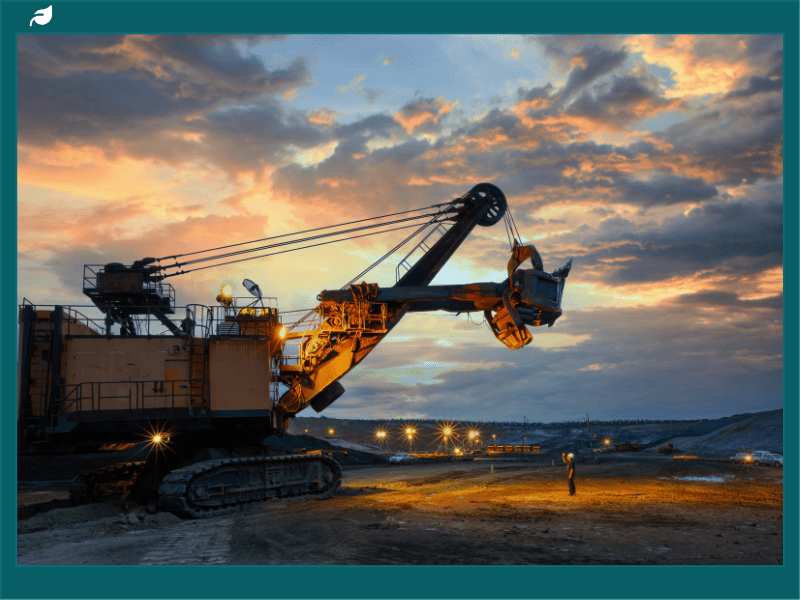
Heavy equipment only pays off when it stays productive. A hydraulic cylinder problem can quickly take an excavator, dump truck, skid steer, or other machine out of service. Worn seals, fluid leaks, damaged rods, and weaker hydraulic performance can interrupt work, delay schedules, and add unexpected costs, especially when equipment is used hard day after day.
A faulty cylinder does not always need to be replaced outright. Depending on its condition, the cylinder may be suitable for resealing or repair while retaining the main components that are still in good shape. This gives operators another option besides full replacement and helps them make better use of equipment they already own.
Why Hydraulic Cylinders Matter So Much to Equipment Reliability
Hydraulic cylinders do much of the physical work on heavy equipment. They create the force needed to raise loads, tilt beds, move booms, operate attachments, and perform other functions that rely on hydraulic pressure. When a cylinder starts to fail, the effect can quickly be felt across the machine.
A worn seal may lead to leakage or reduced performance. Damage to a rod or barrel can affect smooth movement under load. Some problems develop slowly, while others can take a machine out of service with little warning.
That makes cylinder condition closely tied to uptime. Spotting a problem early and dealing with it promptly can keep a manageable repair from becoming a more disruptive failure.
A Cylinder Problem Does Not Always Mean the End of the Component
Hydraulic cylinders can develop faults long before the entire assembly is beyond repair. Leaking seals, worn packing, rod damage, and pressure loss may all be repairable, depending on what failed and the cylinder’s overall condition.
If the main components remain sound, resealing may be enough to restore proper operation. Bent or damaged rods may need more extensive work, but replacing or repairing individual parts can sometimes restore the cylinder without requiring a full replacement.
A sensible starting point is assessing the cylinder as a whole. If its core components remain serviceable and the repair can be completed safely, restoring the existing unit may be a practical alternative to immediate replacement.
Repair Can Make Better Use of Existing Materials
Replacing a complete hydraulic cylinder when only part of it has failed can mean retiring components that still have useful life left. When the barrel, rod, and other major parts remain serviceable, resealing or replacing worn components lets more of the original assembly stay in use.
That can reduce the need for a completely new unit and limit the amount of material discarded after a localized failure. It also helps operators get more working life from equipment and components they have already invested in.
Repair will not make sense in every situation. Safety, the extent of the damage, cost, parts availability, and expected reliability all need to be considered. When the cylinder’s condition allows, however, repair can be a straightforward way to use existing resources more efficiently.
Fast Access to Hydraulic Repair Matters When Equipment Goes Down
Hydraulic trouble rarely arrives at a convenient time. A failed seal, damaged rod, leaking hose, or cylinder problem can stop an excavator, dump truck, skid steer, or other working machine in the middle of a job.
When equipment develops hydraulic problems, Jonestown Ag provides cylinder repair and resealing, custom hydraulic hoses, fittings, and adapters for a range of heavy equipment applications.
Having those services and components available can simplify the repair process when downtime matters. For contractors, equipment owners, and other operators working to tight schedules, getting a machine back into dependable service is often a pressing operational concern.
Better Maintenance Starts Before a Complete Hydraulic Failure
Many hydraulic problems give warning signs before they become complete failures. Fluid leaks, damaged hose covers, worn fittings, changes in movement, or unusual machine behavior can all point to developing wear.
Regular hydraulic cylinder inspection can reveal worn seals, rod damage, barrel wear, contamination, and other issues that help determine whether a cylinder can be repaired or whether individual components need replacement.
Finding these issues early gives maintenance teams more choice over when and how repairs are handled. A planned response is generally easier to manage than discovering a problem after the machine can no longer do its job.
Getting More Value From Existing Heavy Equipment
Heavy equipment is a major investment, so repair decisions should consider the machine’s overall condition. If the equipment remains dependable and useful, repairing a serviceable hydraulic cylinder may make more sense than unnecessarily replacing additional components.
Well-planned preventive maintenance strategies can help operators catch wear sooner, reduce unexpected failures, and avoid replacing equipment or components while they still have useful life remaining.
The same thinking applies to hydraulic cylinders. The extent of the damage, safety, repair cost, parts availability, and the machine’s expected life should all influence the decision. A worthwhile repair returns the cylinder to dependable service without raising safety or long-term performance concerns.
A Practical Part of More Sustainable Equipment Management
Sustainability in heavy equipment does not depend on a single maintenance decision. It depends on how operators run assets, service them, repair them, and eventually replace them over their working lives.
Hydraulic cylinder repair supports that approach when the component remains suitable for continued use. Repairing or resealing a serviceable cylinder can preserve usable parts, avoid unnecessary replacement, and help keep an existing machine productive.
Some cases still call for replacement as the safer or more practical choice. When repair is appropriate, however, extending the use of a sound component is a simple way to get more value from existing equipment while keeping avoidable waste in check.
Interlinking suggestion:
From:https://sustainablebusinessmagazine.net/eco-review/from-preventive-to-precision-how-maintenance-drives-industrial-sustainability/ to this article with anchor: repairing serviceable hydraulic cylinders