The energy situation of the modern world doesn’t paint an optimistic picture at present.
The International Energy Agency reports that the global electricity demand grew across all sectors in 2025, with buildings accounting for 45% of the total increase. The industrial sector came next.
The increasing use of technologies like AI and the mushrooming of data centers around the world are also eating up energy reserves. If current usage patterns persist, we could be looking at an energy crisis in the coming decade. It’s happening fast, faster than we can hope to address by “going green” at an organic farmer’s market.
Interestingly, one of the biggest sources of untapped energy could be closer home than you may have imagined.
How Energy Leaks From Houses
In older homes, insulation can easily become a pain point, leading to energy leakage and inflating your operational costs.
Over time, the insulation in your HVAC systems can be far from optimal, especially if you have been lax about maintenance and routine inspection. Attics and crawl spaces are also notorious for becoming hotspots for energy losses. This can be due to ventilation problems and air bypass around ceiling penetrations.
In general, houses can lose heat through the entire building envelope, including your walls, floors, and windows and doors. According to the US Department of Energy, heat loss through windows has a significant contribution to residential heating and cooling energy usage. Walls and rim joists are another key area, as they constitute more than 40% of a home’s total envelope area.
The even bigger challenge is that these issues can lead to more heat loss not only during heating seasons but also while cooling. It becomes a risk for energy loss when people don’t prioritize smart use and conservation during what they believe is a low-demand time of year.
Of Retrofits and Rewards
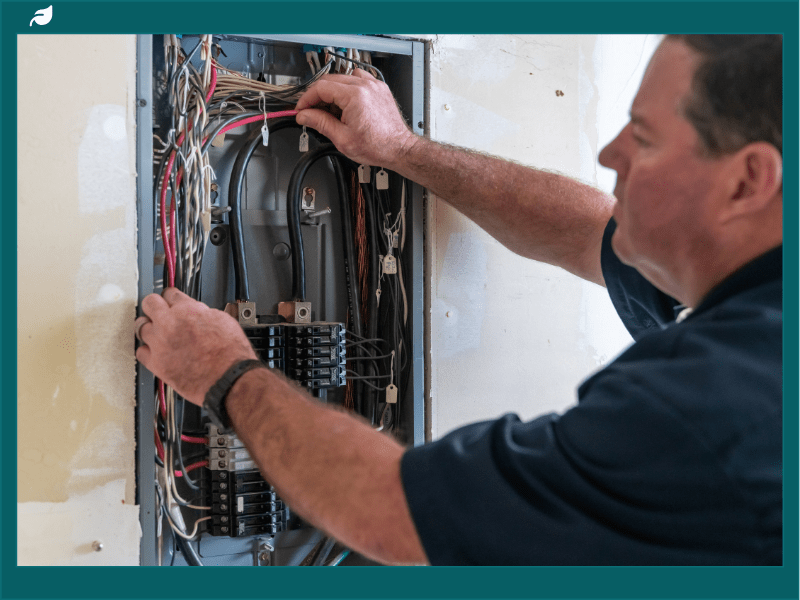
The primary incentive of focusing on existing homes to minimize energy wastage is the inherent advantage of retrofitting. The goal becomes reducing demand, a rational way of dealing with the circumstances. Imagine the potential across so many older homes, many of which may have outdated appliances and electrical systems.
A 2026 Scientific Reports study envisioned a model for residential building energy retrofits. The scholars estimated over 100 tonnes of CO₂ emissions reductions per building over 20 years. It is only reasonable that tapping into these prospective gains should be a priority over new construction.
Also, since these homes are already on the grid, the difference becomes much more obvious and easier to track.
Home Improvements Beyond Aesthetics
Although many homeowners acknowledge the need for energy management, these edits don’t make it to the top of the list. Many tend to prefer changes that will make a big, noticeable difference. This could be landscaping or a kitchen remodel.
These preferences are understandable since home modifications can be expensive, and the cost of living isn’t going down. However, over time, modifications with less visible results can be more impactful.
Think: modern windows, with higher thermal insulation due to multiple glazing layers. Or smart thermostats that assess occupancy levels and adjust temperature accordingly. Consulting a helpful guide on energy-efficient home upgrades to plan your next move can be financially rewarding and bring sustainability wins to the household.
Exploring Whole-Home Performance Improvements
Recognizing that existing homes can be a powerful way of reclaiming energy is the first step. To act on it, homeowners and developers are exploring a whole-home approach instead of upgrading one component at a time. This is an interconnected pathway that treats homes as a network, rather than focusing on replacing a product per se.
Suppose you consider ductwork as a performance component. Optimizing it will involve sealing and insulating ducts across the house. This endeavor should be exhaustive, i.e., cover all areas of the house, including heating and cooling spaces.
During periodic maintenance, it is worth seeking a professional opinion to identify areas that may need work.
For example, in attics and crawl spaces, the inefficiencies could stem not only from inadequate air sealing but also from a lack of vapor barriers. Atticrawl observes that these areas may suffer from insufficient insulation depth and rodent problems. This can happen because of less-frequent inspections or an oversight due to low foot traffic in those parts of the house.
Initiatives like the one launched in the UK by Cold Homes Energy Efficiency Survey Experts (Cheese) can make performance improvements easier. The BBC reports that this not-for-profit scheme uses thermal imaging to identify where heat is escaping.
“The idea was to use technology in a way that can help people deal with cold homes. We have the oldest and the coldest housing stock in Europe. So it’s great to be able to find out where we can start to fix those problems efficiently.” – Willow Merewood, Cheese.
Energy Savings in Existing Homes: Possibilities
| Area | Improvement | Benefit |
| Insulation | Improve roof and wall insulation | Less heat gain/loss |
| Windows & Doors | Seal gaps and add shading | Reduced cooling demand |
| HVAC | Service or replace inefficient ACs | Lower electricity use |
| Lighting | Replace old bulbs with LEDs | Lower energy consumption |
| Appliances | Upgrade to efficient appliances | Reduced energy bills |
| Water Heating | Insulate pipes and use efficient heaters | Less energy wastage |
| Ducts | Seal and insulate ductwork | Better cooling efficiency |
| Solar | Install rooftop solar panels | Reduced grid electricity use |
FAQs
Can energy improvements improve the overall comfort of the household?
Yes. Energy upgrades can help maintain more consistent indoor temperatures and block drafts. This can improve overall comfort.
Are energy-efficient appliances worth upgrading to?
Yes. Replacing inefficient appliances at the end of their useful life with efficient models can reduce your long-term energy consumption. However, consider adopting a whole-home approach instead of buying new appliances in isolation.
Can energy efficiency increase a home’s value?
Energy-efficient features can make a home more appealing to buyers. This is because it offers lower operating costs and improved comfort.
Waste Not, Want Not
The next decade will assess the planet’s capabilities to accommodate growing energy demands. Ensuring lower wastage in existing houses can be an impactful step to reduce our risk of being left wanting.
Being open to retrofitting and adopting a whole-home approach to minimizing energy wastage can go a long way in averting an impending energy crisis, at least in the residential space.