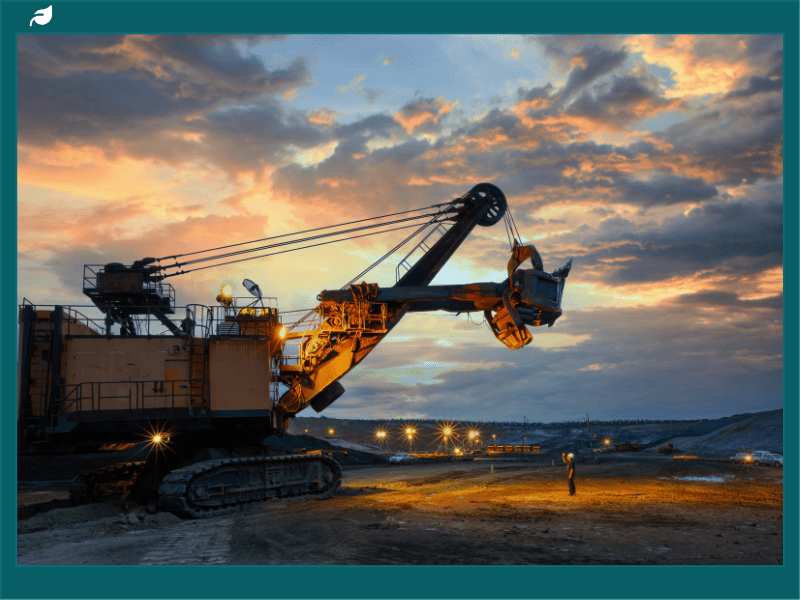
Heavy equipment is built for demanding work, but even durable machines rely on components that wear, leak, seize, or lose performance over time. When a major part fails, replacement can seem like the simplest route. Yet if the component is still serviceable, rebuilding it can preserve much of the material, machining, energy, and labor already invested in its manufacture.
That makes repair capacity a practical part of a more circular industrial model. Workshops supporting excavators, loaders, cranes, agricultural machinery, and other heavy assets need the ability to dismantle, inspect, rebuild, and test major components with confidence. Technical skill is essential, but so are the equipment and processes that make complex repairs controlled, repeatable, and practical at workshop scale.
Circularity Depends on More Than Recycling
Recycling has an important role in industrial sustainability, but it generally comes after a product or component has reached the end of its useful life. Circular thinking starts earlier by asking whether an existing asset, or one of its major components, can remain productive for longer.
That principle is reflected in the EPA’s waste-management hierarchy, which places source reduction and reuse ahead of recycling. For heavy equipment operators, rebuilding a viable component can support the same objective by extending its working life before material recovery becomes necessary. In practical terms, keeping a useful component in service can retain more of the value already embedded in it.
Maintenance Is Only Part of the Picture
Routine maintenance can prevent avoidable failures, improve efficiency, and keep industrial assets productive for longer. Treating industrial maintenance as part of a wider sustainability strategy can reduce waste and help businesses extract more useful life from equipment already in service.
Preventive work has limits, though. Seals wear, rods and barrels can become damaged, and heavily used components eventually need more extensive attention. Once that point is reached, asset life depends partly on whether a workshop can carry out a controlled rebuild rather than defaulting to replacement.
Why Heavy Components Create a Repair-Capacity Challenge
Hydraulic cylinders show why this can be difficult. Large cylinders are heavy, awkward to position, and often require substantial torque during disassembly and reassembly. Seized fasteners, damaged threads, alignment requirements, and the need to protect critical surfaces can add further complexity.
Consistency matters throughout the job. Technicians need to support components securely, keep parts aligned, apply force in a controlled way, and test the finished cylinder before it goes back into service. Without suitable equipment, those tasks can become slower, more physically demanding, and harder to repeat reliably.
Whether a technically rebuildable component is repaired can depend on whether the workshop has the tools, space, and workflow to handle the job efficiently. In that sense, repair capacity can influence whether circularity works in practice.
The Infrastructure Behind a Rebuild-First Approach
Dedicated repair equipment can make complex rebuilds more structured. Hydraulic cylinder benches, powered torque systems, lifting aids, and testing equipment give technicians a controlled way to handle large components and reduce reliance on improvised methods.
For shops that repair cylinders regularly, integrated systems from Cylinder Cyclone combine functions such as high-torque teardown and reassembly, hoist-assisted positioning, and pressure testing within a purpose-built workstation. This type of setup can make a rebuild process easier to standardize, particularly when a shop handles large cylinders or a steady volume of repair work.
The benefit is broader than speed. Better support and alignment can reduce unnecessary handling, while controlled torque and testing give technicians clearer process steps before a rebuilt cylinder returns to service.
Better Repair Capability Can Support Better Asset Decisions
When rebuilding is supported by suitable tools and processes, repair becomes a more realistic option during asset planning. Maintenance teams can assess component condition, repair requirements, turnaround time, and expected service life before deciding whether replacement is warranted.
That flexibility matters when new components are expensive, difficult to source, or subject to long lead times. A viable rebuild can help keep existing machinery productive while reducing demand for replacement parts that would otherwise need to be manufactured and transported.
Reliable repair capability also gives businesses more control over aging fleets. Decisions can be based on the condition and recoverability of individual components instead of following a simple replace-on-failure pattern. That can help operators retain more value from assets already in service.
Building Circularity Into Industrial Operations
Circularity in heavy industry depends on what happens well before equipment reaches the recycling stage. Keeping components productive requires skilled technicians, clear repair procedures, suitable workshop equipment, and confidence that rebuilt parts have been properly tested.
For businesses operating heavy machinery, stronger repair capacity can turn asset life extension into a practical operating strategy. When workshops are equipped to recover serviceable components safely and consistently, more of the material and manufacturing value already invested in industrial equipment can remain in use for longer.
Interlinking suggestion
Link from https://sustainablebusinessmagazine.net/sustainablebusinessadvice/embodied-carbon-steel-reuse/ to this article with anchor: repair capacity for heavy equipment