Tablet partnership with UNESCO targets digital inclusion across Asia and Africa
Global technology company OPPO has completed a multi-country tablet donation programme in partnership with UNESCO, marking a notable example of how consumer electronics firms are engaging with the education and digital inclusion agenda across emerging markets.
The initiative, delivered in collaboration with children’s programming education brand CODEMAO, has seen 1,000 tablets distributed to schools in five countries across Asia and Africa: Thailand, Congo Brazzaville, Kenya, Namibia and Côte d’Ivoire. The programme is designed to support equitable access to digital learning tools and strengthen foundational skills in coding and technology at secondary school level.
The final stage of the rollout took place in Thailand in mid-December, where OPPO donated 200 tablets to two pilot schools. With this delivery, the company has fulfilled a commitment announced in September 2024, positioning the project as a completed, multi-regional intervention rather than a one-off corporate donation.
Technology access as a barrier to education
Digital inequality remains a major obstacle to education outcomes across large parts of Asia and Africa. UNESCO estimates that hundreds of millions of learners globally still lack access to digital devices or reliable connectivity, limiting their ability to engage with modern curricula and develop skills relevant to future labour markets.
In many lower- and middle-income countries, schools face acute shortages of hardware, even as governments and international organisations push for greater emphasis on science, technology, engineering and mathematics education. Against this backdrop, private sector partnerships are increasingly being explored as a means to bridge infrastructure gaps, particularly where public funding is constrained.
OPPO’s tablet initiative reflects this trend, focusing on hardware access combined with structured learning content, rather than device provision alone. The tablets distributed through the programme are preloaded with programming courses developed under the Youth Coding Initiative, a joint project between UNESCO and CODEMAO that promotes safe, inclusive and age-appropriate engagement with digital technologies.

Thailand pilot highlights classroom integration
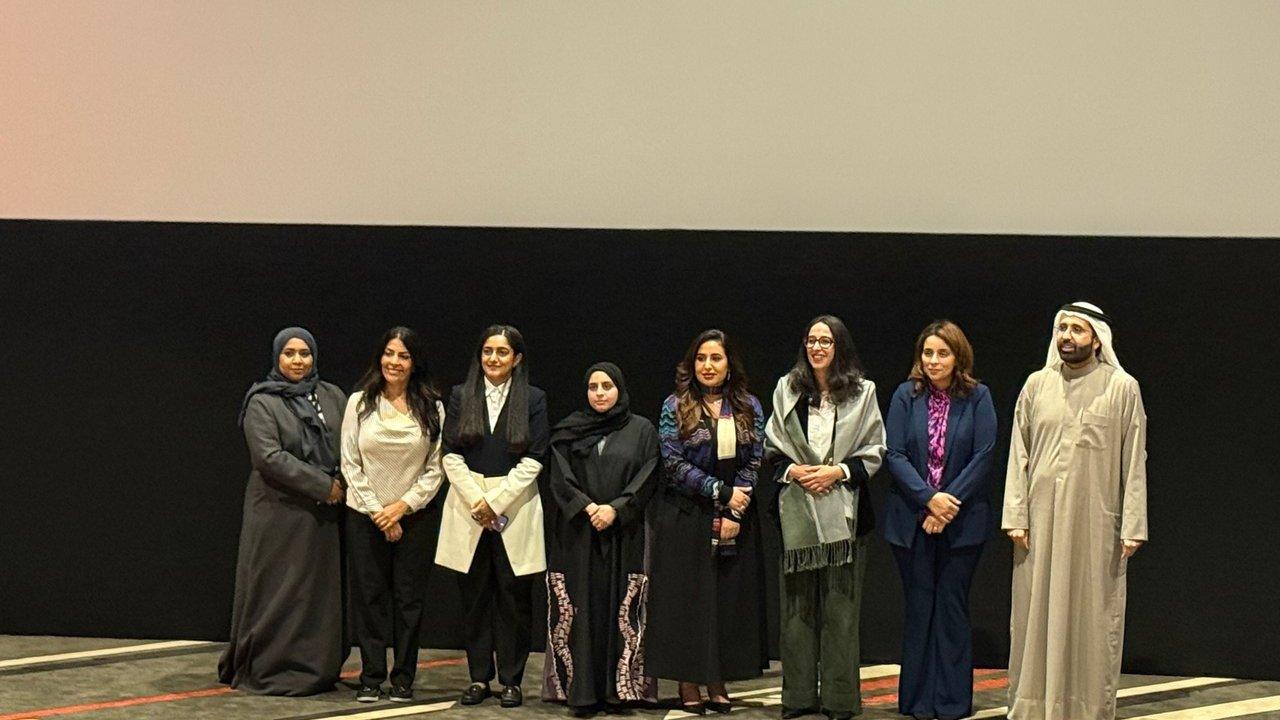
In Thailand, the tablets were formally handed over on December 15 at the Thailand AI and Digital Innovation Practice Day. Two secondary schools, Lampang Kanlayanee School and Rayongwittayakom School, were selected as pilot institutions.
According to OPPO, the devices will be used by both teachers and students to support hands-on programming practice, allowing coding concepts to be integrated into classroom activities rather than treated as optional extras. The focus on teacher use is notable, reflecting evidence that educator confidence and training are as important as student access to devices in determining educational impact.
Patrick Zhang, Chief Operating Officer of OPPO Thailand, attended the handover ceremony, which brought together school representatives, educators and programme partners. While the event marked the conclusion of the donation phase, it also serves as a test case for how digital tools can be embedded into existing education systems.
Expanding reach across Africa
Beyond Thailand, the initiative places particular emphasis on African countries where digital education infrastructure remains limited. In Congo Brazzaville, the tablets and coding courses are intended to serve as core teaching resources for technology education, supporting a longer-term goal of building local capacity in emerging digital skills.
The programme also aims to encourage peer learning and coding competitions, a model increasingly used by education providers to build confidence and engagement among students while identifying early technical talent.
In Kenya, Namibia and Côte d’Ivoire, where access to computers and tablets is uneven and often restricted to urban schools, the donation programme is expected to help establish new digital classrooms. For students in these settings, basic access to a shared device can represent a significant step toward digital literacy, particularly when paired with structured learning content.
Education researchers caution that hardware provision alone does not guarantee improved outcomes, but there is broad agreement that without basic access, learners are effectively excluded from digital curricula. Programmes that combine devices with curriculum-aligned content and teacher support are seen as more likely to deliver lasting benefits.
Corporate responsibility and education partnerships
OPPO frames the initiative as part of its wider corporate social responsibility approach, under the banner of using technology to deliver social value. The partnership with UNESCO provides an institutional framework that helps align the project with international education priorities and safeguards, including child protection and responsible technology use.
UNESCO has clarified that it does not endorse any specific products or brands involved in the programme, reflecting its standard policy when collaborating with private sector partners. Instead, the organisation’s role centres on curriculum development, education standards and ensuring that digital tools are deployed in a way that supports inclusive and equitable learning.
For technology companies, collaboration with multilateral institutions offers both credibility and structure, but also comes with expectations around transparency and long-term impact. As scrutiny of corporate sustainability and social claims intensifies, education initiatives are increasingly evaluated on their ability to deliver measurable outcomes rather than publicity value.
Digital skills and future workforce needs
The focus on programming and coding reflects broader shifts in education policy across Asia and Africa, where governments are seeking to prepare young people for economies that are becoming more digitally driven. While not all students will pursue careers in technology, basic computational thinking and digital literacy are increasingly viewed as essential skills across sectors.
From a sustainability perspective, digital inclusion is often linked to wider development goals, including reduced inequality, improved access to information and greater economic resilience. Education technology initiatives therefore sit at the intersection of social and economic sustainability, even when they are not directly linked to environmental outcomes.
Industry analysts note that as technology firms expand into emerging markets, expectations around local contribution are rising. Projects that address education and skills gaps are one way companies can demonstrate alignment with long-term development priorities, particularly when initiatives are designed in partnership with education specialists rather than delivered unilaterally.
Measuring impact beyond donations
As OPPO completes its tablet donation pledge, attention is likely to shift toward how the devices are used over time and whether they contribute to sustained improvements in teaching and learning. Key indicators will include teacher uptake, curriculum integration, student engagement and the longevity of the equipment in challenging operating environments.
For Sustainable Business Magazine readers, the initiative offers a case study in how corporate resources can be directed toward digital inclusion in a way that aligns with global education frameworks. It also highlights the importance of partnerships that combine technology, pedagogy and institutional oversight.
As governments, NGOs and companies continue to grapple with the digital divide, programmes like this underscore both the potential and the limitations of private sector involvement. Access to devices is a necessary first step, but long-term progress will depend on continued investment in training, content and local capacity building across education systems in Asia and Africa.