Wind energy is a leading force in sustainability, providing both environmental and economic benefits. This article looks at the differences between onshore and offshore wind power, highlighting what makes each one unique.
Onshore wind farms are less expensive to build and can be set up quickly, while offshore wind farms benefit from stronger and steadier winds. Knowing these differences helps people make smart choices and support a cleaner future. Both types are important in the move to clean energy around the world.

The Rise of Wind as a Renewable Resource
Wind energy has emerged as a dominant form of renewable energy, significantly contributing to reducing carbon footprints globally. This clean energy source, drawing from endless renewable resources, has positioned itself as a key player in sustainable energy solutions.
The increasing reliance on wind power reflects a stronger commitment to green energy as nations seek to mitigate climate change impacts. With advancements in technology, both onshore and offshore wind installations provide considerable energy advantages.
Understanding wind as a vital energy source can help illustrate why it holds the potential to power the future sustainably.
Understanding Wind as a Key Energy Source
Wind energy is important because it generates electricity without pollution. It uses the wind to turn turbines and create power, which is very different from burning fossil fuels.
Wind is a steady and reliable resource, making it a good alternative for energy needs. As more people look for renewable options, wind power is becoming a key part of the energy mix.
New technology has made turbines more efficient and less expensive, and better designs help capture more energy. Wind farms can now be built in the best locations, which helps provide more power to communities.
Support from governments, like incentives and subsidies, has also helped wind energy grow. These efforts show how wind power can help meet climate goals and make energy supplies more secure for the future.
| Key Benefits | Technological Advancements | Economic Impact | Environmental Impact |
| Reduces reliance on fossil fuels | Improved turbine efficiency | Job creation in manufacturing and maintenance | Decreases carbon emissions |
| Stable and lower energy costs | Offshore wind technology | Boosts local economies | Preserves natural resources |
| Energy security and independence | Smart grid integration | Attracts green investments | Minimizes pollution footprint |
| Scalable and flexible energy option | Advanced weather forecasting tools | Cost reduction in energy production | Promotes biodiversity |
This table encapsulates the essential aspects of wind energy as a transformative and sustainable energy solution.
Harnessing Clean Energy for a Sustainable Future
Using wind energy has changed the way we think about sustainability. It provides clean power and helps fight climate change.
When combined with new technologies like smart grids and battery storage, wind energy becomes even more reliable. These advances help businesses and communities lower their carbon footprints and support both the environment and the economy.
Wind power also brings economic benefits by reducing reliance on fossil fuels, keeping prices stable, and creating jobs. Building and maintaining wind farms gives people work and helps local economies grow.
Adding wind energy to the power mix makes the grid stronger and less likely to have outages. As wind power continues to grow, it will help build stronger, more sustainable communities for the future.
Onshore Wind Power: Advantages and Innovations
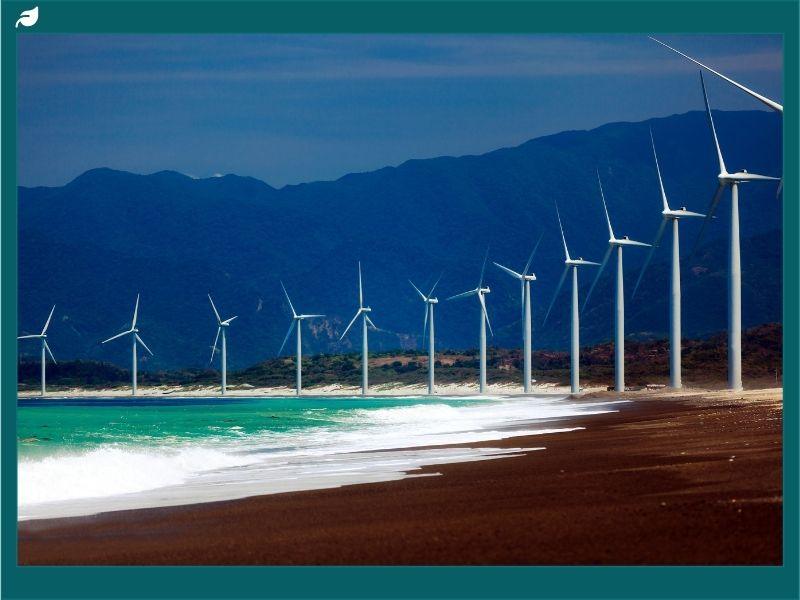
Onshore wind power has many benefits, especially when it comes to efficiency and cost savings. Onshore wind turbines play a big role in providing clean energy.
Improvements in technology and the growth of wind farms have helped make onshore wind more effective and affordable. These changes have also created new economic opportunities.
In the next sections, we’ll look more closely at how onshore wind power is efficient and how it helps the economy.
Exploring the Efficiency of Onshore Wind Turbine Technology
TThe efficiency of onshore wind turbines has seen significant improvements thanks to technological innovations. Modern wind turbine designs emphasize optimized blade shapes and materials that can capture more wind energy. The blades are meticulously engineered to harness maximum power, turning kinetic energy from the wind into electricity. These advances allow onshore turbines to operate efficiently, even in regions with moderate wind speeds.
The ability of these turbines to generate electricity consistently positions onshore wind power as a cornerstone of renewable energy initiatives. Renewable energy enthusiasts often point to the diminishing costs of wind energy as evidence of its viability. The refinement of turbine technology is a major factor driving these cost reductions, making electricity from wind increasingly competitive with traditional fossil fuels.
Adding efficient wind turbines to power grids shows the value of renewable energy. Better designs help turbines last longer and cost less to maintain. Onshore wind farms are often easier to build and connect to the grid than offshore ones.
Placing wind farms in the best locations helps them work well and provide steady energy. As the need for energy grows, onshore wind turbines are becoming more important for meeting energy and sustainability goals.
Better onshore wind technology is helping the world move away from fossil fuels. As countries look for cleaner energy, more efficient wind turbines are making a big difference.
Continued research is expected to make these systems even better, keeping onshore wind power as a key part of the fight against climate change.
Economic Benefits of Land-Based Wind Installations
Building wind farms on land brings strong economic benefits beyond just making electricity. These projects create jobs during construction and maintenance, helping both rural and urban areas.
Local communities gain from higher tax revenues and new investments. By using less fossil fuel, wind power also helps keep energy prices steady and protects economies from sudden changes in fuel costs.
Onshore wind power is popular with investors because it costs less and can be built faster than offshore projects. Many investors see good returns from these wind farms.
Governments also help by offering incentives and subsidies, making it easier to build more wind turbines. This support helps grow the economy while also protecting the environment.
Onshore wind farms help local economies in many ways. They create demand for materials and parts, which helps other businesses.
Landowners who host turbines earn extra income, which they can spend in their communities. Over time, wind power also helps countries rely less on imported energy, making them more secure and independent. Supporting onshore wind power helps both the economy and the environment.

Offshore Wind Power: Opportunities and Challenges
Offshore wind power is an exciting way to generate energy, with its own set of opportunities and challenges. Offshore wind farms use strong ocean winds to make a lot of clean energy, which is important for meeting sustainability goals.
However, building and running these farms is complex and requires new technology and careful attention to the environment. By understanding both the benefits and the challenges, we can better see how offshore wind fits into the future of renewable energy.
Technological Advances in Offshore Wind Farms
Offshore wind farms show how far renewable energy technology has come. New designs, like floating platforms, let turbines be placed in deeper water where winds are stronger.
These floating turbines can reach areas that were once out of reach, capturing more steady wind. Stronger materials and bigger blades help the turbines last longer and make more electricity with each turn. These improvements mean offshore wind farms can produce a lot more energy than before.
Digital technology and data analysis are making offshore wind farms work better. Real-time monitoring helps spot problems early and keep turbines running smoothly. Tools like AI and smart devices can predict issues before they happen.
Better cables and grid connections also help move electricity from offshore sites to where it’s needed, with less energy lost along the way. These advances make offshore wind a strong option for meeting energy needs and climate goals.
Offshore wind power also faces some big challenges. It costs a lot to build and maintain these farms, and they need skilled workers.
Weather and logistics can make things even harder. But as technology improves, these problems are becoming easier to manage. Overcoming these challenges will help offshore wind become an even bigger part of clean energy in the future.
Environmental Impacts and Mitigation Strategies
As offshore wind energy grows, it’s important to look at its effects on the environment. Building and running wind farms in the ocean can disturb marine life, especially from noise and vibrations. There are also concerns about birds flying into turbines. The appearance of these farms from the coast can raise additional concerns. Careful planning and environmental checks are needed to protect wildlife and address public concerns.
To handle these environmental issues, good planning and care for nature are important. Doing environmental impact studies early helps spot problems and make changes before building starts. Ongoing monitoring and adjusting operations can reduce harm to wildlife. Using quieter building methods and working at times that avoid sensitive animal seasons can also help protect marine life.
New technology is helping reduce the environmental impact of offshore wind farms. Advanced monitoring can track animals and adjust turbines to keep them safe. Some wind farms are even designed to help local wildlife. For example, creating artificial reefs gives fish and other marine life a place to live.
Working together, governments, scientists, and industry leaders are making sure offshore wind projects protect the environment. Rules and audits help keep these projects safe and sustainable. Being open with the public and involving communities builds trust and support. These efforts help offshore wind power grow in a way that’s good for both people and nature.
Reflecting on these crucial insights, the following measures can further enhance the environmental compatibility of offshore wind developments:
- Utilize eco-friendly turbine designs to minimize disruptions to marine wildlife.
- Promote integration of natural habitats to enhance biodiversity around turbine structures.
- Encourage stakeholder collaboration for improved environmental data sharing and analysis.
- Implement acoustic deterrents to prevent seabird collisions with turbines.
- Schedule construction activities during non-breeding seasons of sensitive marine species.
- Enhance community engagement to address visual concerns and promote project transparency.
These strategies not only mitigate impacts but also promote a balanced coexistence of renewable energy projects and ecological conservation.
Exploring the advantages of onshore versus offshore wind power presents a compelling case for the future of renewable energy. These steps help reduce negative effects and support a balance between clean energy and protecting nature. Higher wind speeds provide substantial energy output. Both methods have the potential to significantly reduce carbon footprints and foster economic growth through job creation and technological innovation. Decision-makers, investors, and communities can leverage these insights to make informed choices. This supports a sustainable transition towards diverse and resilient energy systems. Wind energy, in all its forms, is undoubtedly a vital component of our sustainable future.