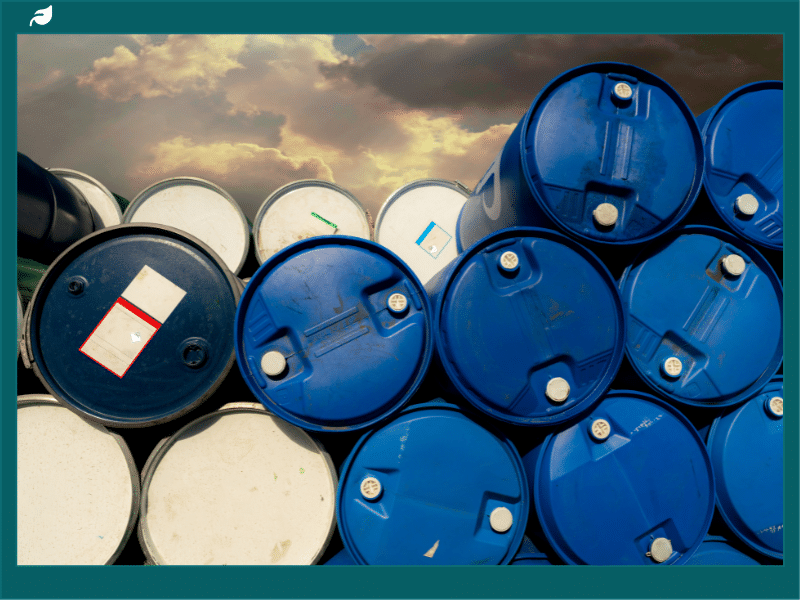
Industrial waste management has become a critical component of modern sustainability strategies. As manufacturers, chemical processors, food producers, and logistics companies seek to reduce their environmental impact, the responsible handling of industrial containers is receiving increased attention. From steel drums and plastic containers to intermediate bulk containers (IBCs) and large corrugated packaging systems, recycling and reconditioning programs are helping businesses reduce waste, conserve resources, and support circular economy goals.
Organizations such as Kelly Drums have demonstrated how specialized waste management services can contribute to more sustainable industrial operations. Through their expertise in the pickup, recycling, reconditioning, and destruction of steel, poly, and fiber drums, IBC totes, and Gaylord boxes, they help industrial clients across the Mid-Atlantic region maintain regulatory compliance, manage hazardous materials responsibly, and support environmentally responsible disposal practices.
A key part of this evolving approach is Sustainable Drum Recycling and Eco Practices, which focuses on reducing industrial waste through reuse, recovery, and environmentally responsible processing of containers at the end of their lifecycle.
Why Industrial Container Recycling Matters
Industrial containers are essential for transporting and storing chemicals, oils, food ingredients, pharmaceuticals, and other materials. However, when these containers reach the end of their useful life, improper disposal can create significant environmental challenges.
Millions of drums and containers are discarded each year. Without effective recycling and recovery programs, many end up in landfills, increasing waste volumes and wasting valuable raw materials. Steel, plastic, fiber, and other materials used in industrial packaging require significant energy and natural resources to produce. Recycling and reconditioning these containers helps extend their lifecycle and reduces demand for new materials.
By keeping containers in circulation for longer, businesses can significantly lower their environmental footprint while supporting broader sustainability objectives.
The Role of Reconditioning in a Circular Economy
One of the most effective eco-friendly practices in industrial waste management is container reconditioning. Instead of manufacturing a new drum or tote, existing containers can often be cleaned, inspected, repaired, and prepared for reuse.
This process offers several environmental benefits:
- Reduced consumption of raw materials
- Lower greenhouse gas emissions associated with manufacturing
- Less waste sent to landfills
- Reduced energy use throughout the supply chain
- Extended product lifecycles
Reconditioning aligns closely with circular economy principles, which prioritize reuse and resource efficiency over disposal and replacement.
Managing Hazardous Materials Responsibly
Many industrial containers have previously held hazardous or regulated materials. In these cases, responsible handling becomes essential for environmental protection and regulatory compliance.
Professional recycling and waste management providers play a key role by ensuring containers are properly collected, transported, processed, and documented according to applicable regulations. This helps prevent contamination of soil, water, and air while protecting workers and surrounding communities.
Businesses that partner with qualified recycling specialists can also reduce legal and financial risks associated with improper waste disposal. Responsible management of hazardous materials is increasingly viewed not only as a compliance requirement but also as a core component of corporate environmental responsibility.
Reducing Landfill Waste Through Material Recovery
A significant sustainability advantage of industrial container recycling is material recovery. Even when containers cannot be reconditioned for reuse, their component materials can often be recycled and transformed into new products.
Steel drums can be processed and returned to manufacturing supply chains. Poly drums and plastic containers can be recycled into new industrial products. Fiber drums and corrugated Gaylord boxes may also be recovered and repurposed through specialized recycling programs.
This approach helps divert large volumes of waste from landfills while reducing the need for virgin materials. As resource scarcity and environmental concerns continue to grow, material recovery is becoming an increasingly important strategy for sustainable business operations.
Sustainability as a Competitive Advantage
Environmental responsibility is no longer viewed solely as a regulatory obligation. Investors, customers, employees, and business partners increasingly expect organizations to demonstrate measurable sustainability commitments.
Companies that implement effective recycling and waste reduction programs often experience benefits beyond environmental performance, including:
- Improved operational efficiency
- Enhanced brand reputation
- Reduced disposal costs
- Better regulatory preparedness
- Stronger stakeholder trust
Industrial waste management programs can therefore support both environmental and business objectives simultaneously.
Looking Ahead
The future of sustainable industry depends on smarter resource management and reduced waste generation. Industrial container recycling, reconditioning, and responsible disposal practices represent practical steps toward achieving these goals.
As businesses continue to strengthen their environmental commitments, partnerships with experienced recycling and waste management providers will remain essential. By extending the life of industrial containers, recovering valuable materials, and ensuring responsible handling of hazardous waste, organizations can contribute to a more sustainable and circular economy while maintaining safe and compliant operations.
Sustainable Drum Recycling and Eco Practices is not simply a waste-management solution—it is an investment in long-term environmental stewardship, resource conservation, and responsible business growth.