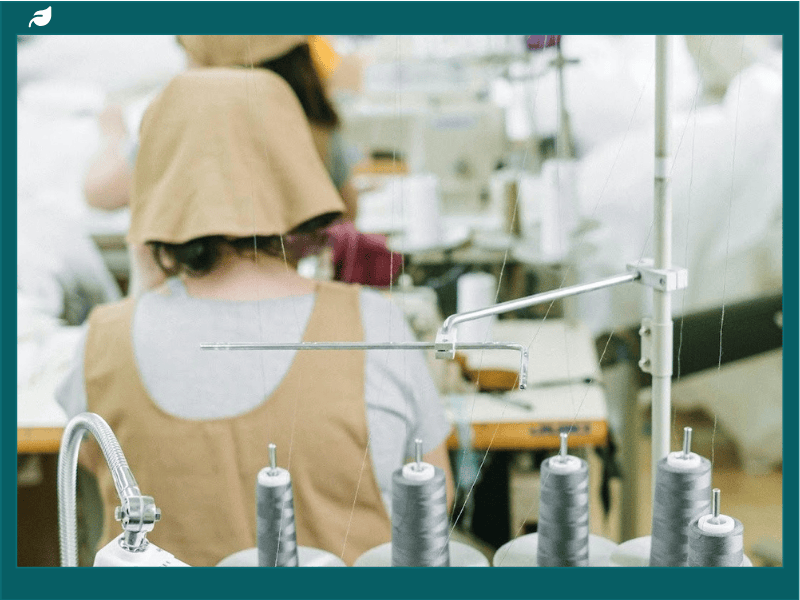
The fashion industry is moving past slogans and into action. Brands and factories are rethinking materials, energy, and labor standards to meet new rules and real customer expectations. Ethical manufacturing is no longer a niche choice – it is becoming the baseline for doing business.
Why Sustainability Is Now A Factory Issue
For years, brands set goals while suppliers carried the hardest work. That is changing as contracts now tie orders to emissions, water, and wage metrics. When sustainability lives on the factory floor, progress becomes measurable and repeatable.
Factories are building teams for energy, water, and chemical control. These roles sit beside production planners, not separate from them. That alignment keeps targets from slipping during peak seasons.
Buyers are also shifting how they measure success. Instead of only on-time delivery, scorecards now track verified impact data. Ethical results become part of everyday production math.
Designing For Circularity From The Start
Ethical manufacturing starts at the design table. One easy win is choosing durable, long wearing pieces – including options such as the MANG Long Sleeve Sun Protection Shirts – because product lifespan is the simplest form of waste prevention. When garments are built to last and to be disassembled, recycling stops being theory and becomes a plan.
Designers are reducing trims and choosing mono materials. Fewer mixed components make repair and recycling realistic. Stitch choices and seam access matter as much as fabric choice.
Packaging is part of circularity, too. Right sized cartons and recycled poly alternatives cut both waste and freight emissions. Clear end of life guidance belongs on the hangtag and the product page.
Decarbonization Pressure Is Rising
Many companies talk about climate plans, but measurable cuts are still uneven. A major UK newspaper reported in 2024 that roughly a quarter of large fashion brands lacked public decarbonization plans, and dozens saw emissions rise. That reality is pushing buyers to favor suppliers who can show hard numbers, not just road maps.
Factories are responding with energy audits and heat recovery. On-site solar and power purchase agreements help stabilize costs. Simple steps like motor controls and steam traps often pay back fast.
Brands can help by locking in multi year demand. Long contracts give suppliers confidence to invest in new boilers or electrified equipment. Price models are evolving to reward verified reductions.
Waste Rules Are Changing In The EU
Regulators are rewriting incentives around textile waste. Business reporting in 2024 explained that the EU will require producers to finance the collection, sorting, and recycling of what they sell, citing millions of tons of discarded textiles and very low global recycling rates. For manufacturers, that means designing for recovery and building feedback loops with recyclers from day one.
Extended producer responsibility changes product costing. Take back fees and sorting costs will flow upstream to design and sourcing. Garments that are easy to sort and recycle will carry an advantage.
Factories can prepare by mapping fiber streams. Pre-consumer scraps are the practice arena for closed loop systems. Lessons learned there transfer to post consumer take back.
Traceability And Honest Labels
Customers want to know where clothes come from and what each step costs the planet. That starts with digital product passports, supplier mapping, and third-party audits that verify claims. Clear labels only work when the data behind them is consistent and machine-readable.
- Assign a unique ID to each style and batch
- Log fiber origin, dye house, and cut and sew facility
- Capture energy use and water impact at each stage
- Share end-of-life guidance on repair, resale, and take back
Worker Wellbeing As A Core Metric
Ethical manufacturing includes fair wages, safe buildings, and worker voice. Factories that invest in training, ergonomics, and predictable scheduling see lower turnover and higher quality. People metrics belong next to productivity and defect rates.
Living wage progress requires stable orders. Brands can support this with longer commitments and transparent costing. When wage improvements are priced in, the race to the bottom slows.
Worker voice tools add real-time feedback. Anonymous hotlines and digital surveys surface safety issues early. Supervisors need training to close the loop fast.
Smarter Materials And Cleaner Processes
Lower impact fibers matter, but process often dominates footprint. Mills are shifting to closed loop dyeing, heat recovery, and renewable energy to cut both emissions and costs. Cleaner chemistry protects workers and local waterways.
Material specs should include testable impact criteria. Verified recycled content and certified chemistry reduce greenwashing risk. Simple substitutions are not enough without proof.
Suppliers need demand signals to invest. Brands can pre approve materials and mills for entire seasons. That reduces sampling churn and speeds adoption.
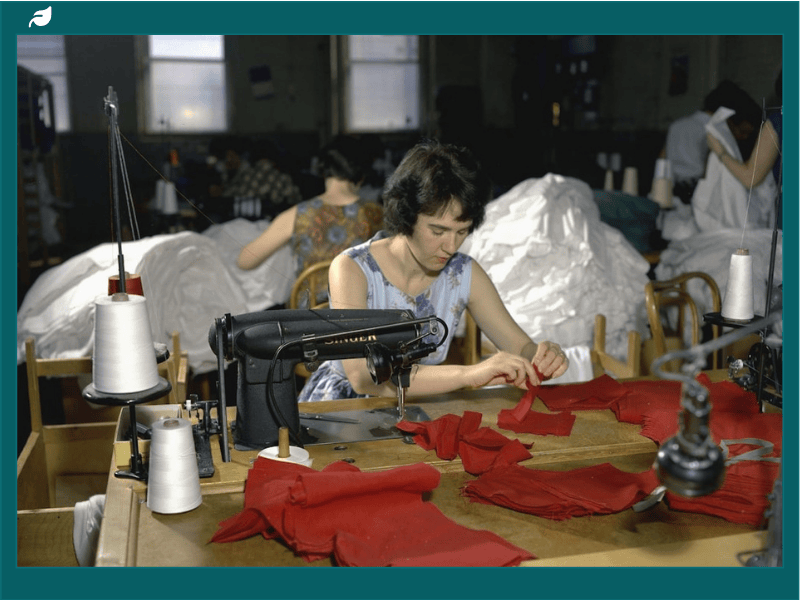
Ethical clothing manufacturing is not a single certification. It is a system of design, energy, labor, and data choices that align across the supply chain. The brands and factories that integrate these choices today will be the ones still earning trust tomorrow.